
Data centers are the backbone of modern computing, storing and processing vast amounts of data that power our digital lives. With over 7.5 million data centers worldwide, they consume an estimated 1% of global energy consumption – a staggering figure that’s only expected to grow as technology advances. As we explore the importance of energy efficiency in data centers, it’s essential to understand why this issue matters so much.
The Energy Consumption Conundrum
Data centers are notorious for their high energy consumption. According to estimates, they account for 15% of global electricity usage – a significant portion of our planet’s total energy expenditure. This is largely due to the servers that power these facilities, which operate around the clock, consuming massive amounts of electricity and generating heat in the process.
The Rise of Data Centers: A Growing Concern
As technology advances and more businesses move online, the demand for data centers has skyrocketed. With 7.5 million data centers worldwide, we’re looking at an estimated 1% of global energy consumption – a figure that’s projected to rise as our reliance on digital technologies grows.
Why Energy Efficiency Matters in Data Centers
So why should energy efficiency be a top priority in data centers? For one, it’s essential for businesses to reduce their carbon footprint and minimize waste. Additionally, by optimizing energy consumption, companies can save significant amounts of money on electricity bills – a welcome relief for any organization looking to squeeze every last penny.
Existing Energy-Efficient Technologies
Fortunately, there are many innovative technologies that can help reduce energy consumption in data centers. Some examples include:
- Cables with Low Dispersion: These cables minimize energy loss by reducing signal degradation.
- Solar Power Integration: Harnessing solar energy to power data centers reduces reliance on non-renewable sources.
- Heat Reuse Systems: By reusing waste heat, these systems can significantly reduce cooling costs.
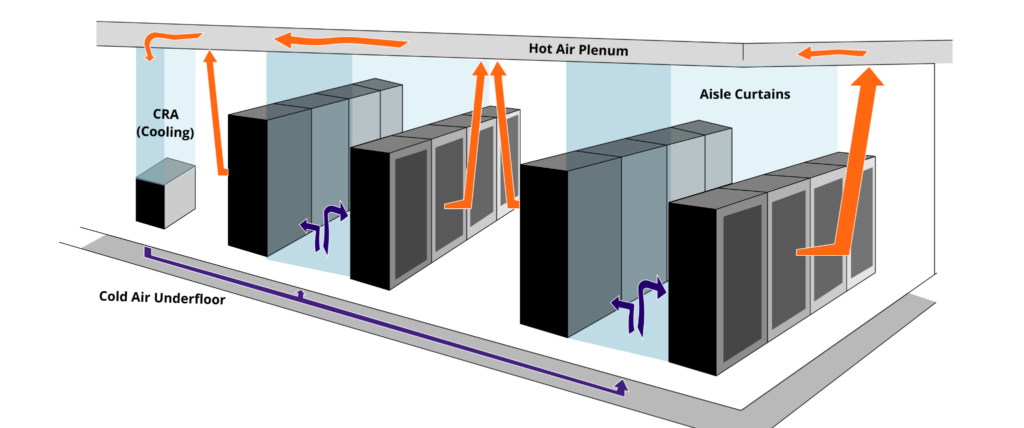
- Advanced Cooling Systems: High-performance air-based cooling systems for optimal server airflow and thermal management.
Case Study: InAsset’s Green Data Center
InAsset, a company based in Pasian di Prato, Italy, has taken the initiative to adopt energy-efficient technologies in their data center. By implementing measures such as low-dispersion cables, solar power integration, and heat reuse systems, they’re not only reducing their carbon footprint but also saving significant amounts of money on electricity bills.
The Impact of Energy Efficiency on Data Center Operations
Energy efficiency has a direct impact on data center operations. For instance:
- Reduced Power Costs: By optimizing energy consumption, companies can save significant amounts of money on electricity bills.
- Increased Reliability: Proper cooling systems ensure optimal server performance and reduce downtime due to overheating.
- Enhanced Security: Energy-efficient cooling systems help minimize the risk of equipment failure.
The Role of Government Policies in Promoting Energy Efficiency
Government policies play a significant role in promoting energy efficiency in data centers. Some examples include:
- Tax Incentives: Governments offer tax incentives to companies that invest in energy-efficient technologies.
- Regulatory Frameworks: Regulatory frameworks can be implemented to encourage data centers to adopt sustainable practices.
Conclusion: A Brighter Future for Data Centers
As we look to the future, it’s clear that energy efficiency in data centers is a pressing concern. By adopting innovative technologies and making conscious choices about our energy consumption, we can create a more sustainable future – one where businesses can thrive while minimizing their impact on the environment.
Frequently Asked Questions: Energy Efficiency in Data Centers
- What is the average energy consumption of a data center?
- The average energy consumption of a data center varies depending on factors such as server type, cooling system, and location.
- How can data centers reduce their carbon footprint?
- There are many ways to reduce energy consumption in data centers, including the use of renewable energy sources, energy-efficient technologies, and sustainable cooling systems.
- What role do low-dispersion cables play in reducing energy loss?
- Low-dispersion cables minimize energy loss by reducing signal degradation, allowing for more efficient transmission of data.
- Can solar power be used to generate electricity for data centers?
- Yes, solar power can be used to generate electricity for data centers, providing a renewable and sustainable source of energy.
- How do heat reuse systems work in data centers?
- Heat reuse systems re-use waste heat from servers and other equipment to warm up buildings or provide thermal energy for industrial processes.
- What are some common challenges faced by data centers when implementing energy-efficient technologies?
- Some common challenges include high upfront costs, integration with existing infrastructure, and maintaining optimal performance in a rapidly changing environment.


