
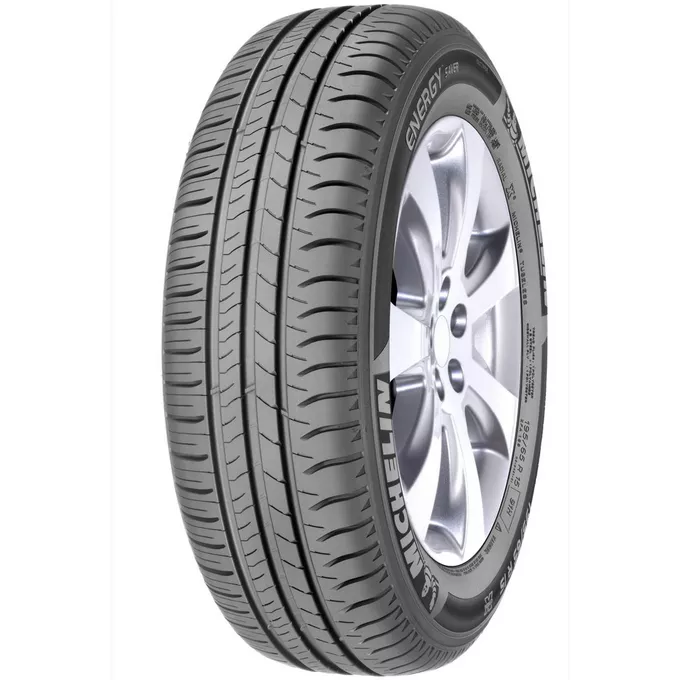
As a driver, you’re always looking for ways to save money and reduce your environmental impact. One way to do this is by using energy saver tires, also known as low-rolling-resistance (LRR) tires. These tires are designed to reduce fuel consumption and lower emissions, making them an attractive option for eco-conscious drivers.
But how much can you really save with energy saver tires? In this article, we’ll explore the benefits of LRR tires, how they’re classified, and what kind of savings you can expect.
What Are Energy Saver Tires?
Energy saver tires are designed to reduce rolling resistance, which is the energy lost as a vehicle’s wheels rotate. By reducing rolling resistance, these tires can help improve fuel efficiency and lower emissions. According to the International Energy Agency (IEA), some energy saver tires have been shown to offer up to 30% less rolling resistance than traditional tires.
The concept of energy saver tires was first introduced in the 1990s as a way to reduce fuel consumption and lower emissions in heavy-duty vehicles, such as trucks and buses. Over time, LRR tires became more widely available for passenger vehicles, and their popularity has continued to grow.
How Are Energy Saver Tires Classified?
Energy saver tires are classified on a scale from A to G, with A representing the highest level of fuel efficiency. The classification is based on a color-coded system, where each letter corresponds to a specific level of fuel efficiency. For example:
- A (green) represents the highest level of fuel efficiency
- B (yellow) represents a moderate level of fuel efficiency
- C (orange) represents a lower level of fuel efficiency
The LRR rating is also an important factor in determining the energy saver capabilities of a tire. The LRR rating is measured by a standard test procedure, where the tire’s rolling resistance is compared to that of a traditional tire.
How Much Can You Save with Energy Saver Tires?
Studies have shown that energy saver tires can offer significant savings on fuel consumption. According to the IEA, some energy saver tires have been shown to reduce fuel consumption by up to 4% in heavy-duty vehicles.
In addition to fuel savings, energy saver tires can also help lower emissions and improve vehicle safety. By reducing rolling resistance, these tires can help improve tire life and reduce the risk of tire failure.
For passenger vehicles, the savings on fuel consumption can be more significant. According to the US Environmental Protection Agency (EPA), using energy saver tires can save up to 20% on fuel costs over a typical year.
What Are Energy Saver Tires Made Of?
Energy saver tires are made from a specialized rubber compound that is designed to reduce rolling resistance. This compound is formulated to provide a lower friction coefficient, which allows the tire to roll more smoothly and efficiently.
The LRR rating of an energy saver tire is determined by its composition and manufacturing process. The most common materials used in energy saver tires are:
- Synthetic rubber
- Polybutadiene
- Carbon black
These materials work together to provide a lower rolling resistance and improve fuel efficiency.
How Do Energy Saver Tires Work?
Energy saver tires work by reducing the amount of energy lost as a vehicle’s wheels rotate. By minimizing rolling resistance, these tires can help improve fuel efficiency and lower emissions.
The process works as follows:
- The tire is designed to have a lower friction coefficient, which allows it to roll more smoothly and efficiently.
- The reduced friction coefficient results in less energy being lost as the wheel rotates.
- The energy saved from rolling resistance is converted into increased fuel efficiency.
Can You Get Energy Saver Tires Online?
Yes, you can buy energy saver tires online from a variety of retailers. Many tire manufacturers offer energy saver tires on their websites, and some online retailers specialize in eco-friendly tires.
When shopping for energy saver tires online, be sure to check the product description carefully. Look for the following features:
- LRR rating
- Fuel efficiency classification (A-G)
- Environmental benefits
Common Questions About Energy Saver Tires
Here are some frequently asked questions about energy saver tires:
Q: How much do energy saver tires cost?
A: Energy saver tires can vary in price depending on the manufacturer, model, and size. On average, they tend to be more expensive than traditional tires.
Q: Are energy saver tires suitable for all vehicles?
A: Not all vehicles are eligible for energy saver tires. Check your vehicle’s specifications to see if it is compatible with LRR tires.
Q: Can I use energy saver tires on my daily commute?
A: Yes, energy saver tires can be used on a variety of driving conditions, including daily commuting.
Q: How long do energy saver tires last?
A: Energy saver tires are designed to provide improved fuel efficiency and lower emissions. They may not last as long as traditional tires, but their longer lifespan is offset by reduced maintenance costs.
Q: Are energy saver tires compatible with my vehicle’s wheel size?
A: Check your vehicle’s specifications to see if it is compatible with LRR tires. You can also consult with a tire professional for assistance.
Q: Can I get a refund or exchange if I’m not satisfied with my energy saver tires?
A: Check the manufacturer’s warranty and return policy before purchasing energy saver tires.
Q: Are there any environmental benefits to using energy saver tires?
A: Yes, energy saver tires can help reduce greenhouse gas emissions and improve air quality by reducing fuel consumption and lower emissions.
Conclusion
Energy saver tires are a great option for eco-conscious drivers who want to save money on fuel costs. By reducing rolling resistance, these tires can help improve fuel efficiency and lower emissions.
While there may be some drawbacks to using energy saver tires, the benefits far outweigh them. From improved fuel efficiency to reduced maintenance costs, energy saver tires are a smart choice for anyone looking to reduce their environmental impact.
Before making the switch to energy saver tires, be sure to do your research and compare prices from different retailers. With so many options available, it’s easy to find the right tire for your needs and budget.
So why not give energy saver tires a try? Your wallet – and the planet – will thank you!


