
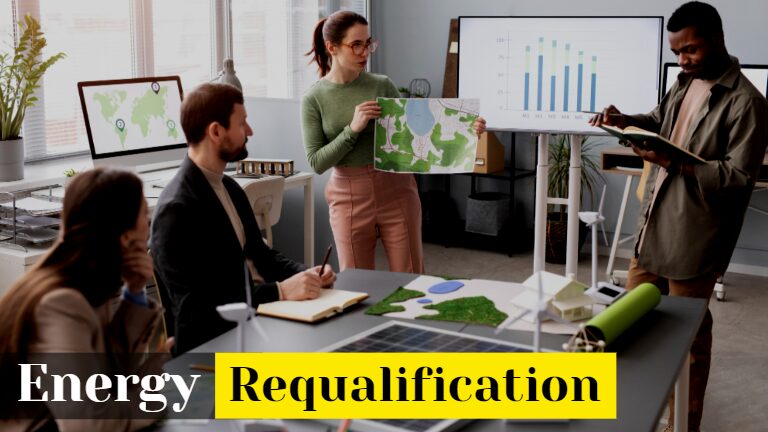
As the world grapples with the challenges of climate change, energy efficiency has become a critical aspect of sustainable development. One key area that requires attention is building renovation, particularly when it comes to upgrading an existing building’s energy efficiency. In this article, we’ll delve into the concept of sustainable renovation, its benefits, and explore the incentives available for property owners who invest in energy-efficient upgrades.
What is Sustainable Renovation?
Sustainable renovation involves implementing interventions that improve a building’s energy efficiency, reducing its environmental impact and operating costs. By optimizing resource utilization, we can minimize our reliance on non-renewable energy sources, lower greenhouse gas emissions, and create healthier living spaces.
Benefits of Sustainable Renovation
Not only does sustainable renovation offer environmental benefits, but it also has significant economic advantages. By investing in energy-efficient upgrades, property owners can:
- Reduce energy consumption and lower utility bills
- Amortize costs through tax deductions or grants
- Enhance the value and appeal of their properties
Types of Sustainable Renovation Interventions
To achieve sustainable renovation, property owners can consider various interventions, including:
- Insulation: Applying a thermal insulation material to walls, floors, and ceilings to reduce heat transfer.
- Double-glazed windows: Replacing traditional windows with double-glazed units that minimize heat loss and gain.
- Solar shading: Installing solar shades or louvers to block direct sunlight and reduce cooling needs.
- High-performance boilers: Upgrading to modern, efficient boilers that provide improved thermal comfort while minimizing emissions.
- Energy-efficient lighting: Replacing traditional light bulbs with LED or CFL options that consume significantly less energy.
Incentives for Sustainable Renovation
The Italian government offers various incentives to encourage sustainable renovation. These include:
- Tax deductions (Detrazioni Irpef): Property owners can claim tax deductions on energy-efficient upgrades, which can be amortized over 5 years.
- Energy performance certificates: Buildings that meet specific energy efficiency standards can obtain an Energy Performance Certificate, which can be used to demonstrate their sustainability.
How to Access Sustainable Renovation Incentives
To access these incentives, property owners must follow specific guidelines and procedures:
- Ensure compliance with building regulations and permits.
- Engage a registered contractor or architect to oversee the renovation work.
- Provide documentation, including receipts and invoices for materials and services.
- Submit an application to the relevant authorities, such as the ENEA (Italian National Agency for New Technologies, Energy and Sustainable Economic Development).
Common Challenges and Solutions
Property owners may encounter various challenges during their sustainable renovation projects. Some common issues and potential solutions include:
- Higher upfront costs: Balancing energy-efficient upgrades with budget constraints.
- Solution: Prioritize interventions based on their energy-saving potential and consider financing options or tax incentives.
- Complex building configurations: Managing renovation work in buildings with complex layouts.
- Solution: Work with a registered contractor or architect who has experience with sustainable renovation projects and can provide guidance on the best approach for your specific situation.
- Limited technical expertise: Ensuring that renovation work meets energy efficiency standards.
- Solution: Engage a professional who is familiar with energy-efficient design and construction techniques.
Best Practices for Sustainable Renovation
To ensure a successful sustainable renovation project, property owners should follow these best practices:
- Conduct thorough building assessments to identify areas of energy inefficiency.
- Develop a comprehensive plan that incorporates all necessary interventions.
- Engage registered professionals who are experienced in sustainable renovation projects.
- Provide ongoing training and support for occupants on energy-efficient behaviors.
Conclusion
Sustainable renovation is essential for creating healthier, more efficient buildings that minimize our environmental footprint. By understanding the benefits, incentives, and procedures involved, property owners can make informed decisions about their building’s energy efficiency and contribute to a more sustainable future.
Frequently Asked Questions (FAQs)
- What are the main benefits of sustainable renovation?
- Reduced energy consumption, lower utility bills, enhanced building value.
- Which interventions should I prioritize for my sustainable renovation project?
- Insulation, double-glazed windows, solar shading, high-performance boilers, and energy-efficient lighting.
- Can I claim tax deductions on my sustainable renovation costs?
- Yes, but you must meet specific eligibility criteria and follow the required procedures.
- How do I access sustainable renovation incentives in Italy?
- Ensure compliance with building regulations, engage a registered contractor or architect, provide documentation, and submit an application to the relevant authorities.
- What is the duration of tax deductions for sustainable renovation projects?
- Tax deductions can be amortized over 5 years.
- Can I obtain energy performance certificates for my building?
- Yes, if your building meets specific energy efficiency standards.
- Who should I consult for guidance on sustainable renovation incentives?
- Your local government office or a registered contractor or architect specializing in sustainable renovation projects.
Additional Resources
For property owners who want to learn more about sustainable renovation and energy-efficient upgrades, there are numerous resources available:
- Italian Ministry of Environment: Provides information on sustainable building practices and energy efficiency standards.
- Italian National Agency for New Technologies, Energy and Sustainable Economic Development (ENEA): Offers guidance on sustainable renovation incentives and energy efficiency certificates.
- National Association of Builders in Italy: Publishes articles and reports on sustainable renovation projects and energy-efficient construction techniques.
By utilizing these resources and following the guidelines outlined in this article, property owners can make informed decisions about their building’s energy efficiency and contribute to a more sustainable future.


