
The Energiadi bike challenge is an innovative project that transforms cycling into a source of sustainable energy. By connecting bicycles to generators, students in nine zones of Milan produce electricity and compete to be the most eco-friendly. This article will delve into the world of Energiadi, exploring its history, participation, impact, and future plans.
What is Energiadi?
Energiadi is an energy social movement that transforms individuals into energy-generating units through pedaling. It’s a unique project where students from nine schools in Milan come together to produce electricity using bicycles connected to generators (Bike Energy System). The goal is not only to reduce energy consumption but also to raise awareness about the importance of sustainable living.
Participation and Winners
5,000 students from 18 schools participate in the Energiadi challenge. Each school is divided into one of nine zones, and students can contribute to their zone’s energy production by pedaling during designated hours. The winning school receives a prize of €10,000 and the bragging rights that come with being the most eco-friendly.
The First Edition: A “Puntata Zero”
This year marks the first edition of Energiadi, which can be described as a “puntata zero.” The idea was born from the realization that electricity is becoming increasingly used in daily activities and will likely become even more widespread in the future. By harnessing human power through pedaling, we can reduce our reliance on traditional energy sources.
How Does It Work?
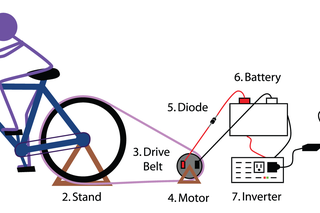
The Bike Energy System (BES) uses a generator connected to the bicycle’s rear wheel. There are three types of postures available: single, tandem, and multi-poster with up to four bicycles. The produced electricity can be stored in batteries or fed directly into the grid through an inverter that converts direct current to alternating current.
Where Will the Energy Go?
The generated energy will first be used to power various activities during the challenge, such as lighting, music, and food. Some of it will also be stored in batteries and later fed back into the grid.
Calculating Production
Each school is expected to produce around 3kWh of electricity per week. With five schools participating in each zone, a total of at least 50,000Wh (approximately 53 kWh) will be produced.
The Bike Energy System has a maximum output of 250W, but this can vary depending on the rider’s effort level and bicycle quality. An average adult can produce around 50W for an hour without much strain. Experienced cyclists may reach 200W or more.
Future Plans: Expanding the Challenge
This first edition of Energiadi aims to test the format and gather feedback before expanding it into a nationwide challenge. With the support of local businesses, the project hopes to become a model for sustainable living and energy production.
As the world becomes increasingly dependent on electricity, innovative solutions like Energiadi are crucial for reducing our carbon footprint and promoting eco-friendly habits.
Frequently Asked Questions (FAQs)
- Q: What is the main goal of Energiadi?
A: The primary objective is to produce sustainable energy through pedaling while raising awareness about the importance of renewable energy sources. - Q: How does the Bike Energy System work?
A: It uses a generator connected to the bicycle’s rear wheel to produce electricity, which can be stored in batteries or fed directly into the grid. - Q: What is the expected outcome of this challenge?
A: The project aims to demonstrate the feasibility of harnessing human power for energy production and raise awareness about sustainable living practices. - Q: Will Energiadi expand beyond Milan?
A: Yes, with the support of local businesses, the goal is to make it a nationwide challenge that promotes eco-friendly habits and sustainable energy production. - Q: How can I participate in or get involved with Energiadi?
A: For more information on participating schools, dates, and how to contribute, please visit the official website. - Q: What kind of impact will this project have on the environment?
A: By promoting sustainable energy production through pedaling, we can reduce our reliance on traditional energy sources and lower greenhouse gas emissions. - Q: How can I improve my energy efficiency at home or in my daily activities?
A: There are many ways to incorporate eco-friendly habits into your daily routine, such as using renewable energy sources, reducing waste, and promoting sustainable transportation.
The Benefits of Energiadi
Energiadi offers a unique opportunity for students to engage with their community, develop essential skills, and contribute to a more sustainable future. By participating in the challenge, students can:
- Develop teamwork and communication skills
- Learn about renewable energy sources and sustainable practices
- Gain hands-on experience with electricity generation and distribution systems
- Enhance their understanding of environmental impact and its consequences
Lessons Learned from Previous Sustainable Initiatives
Energiadi draws inspiration from various sustainable initiatives around the world. Some notable examples include:
- The “Energy Bike” project in Germany, which uses bicycles to generate electricity for homes and businesses.
- The “Human Power” project in India, which harnesses human energy to power streetlights and other essential services.
- The “Renewable Energy Education Program” in Canada, which aims to educate students about sustainable living practices and renewable energy sources.
These initiatives demonstrate the potential of innovative solutions in addressing our increasing reliance on electricity. By learning from their successes and challenges, Energiadi can further refine its approach and make a more significant impact.
Challenges and Opportunities
While Energiadi has made significant strides in promoting sustainable living practices, there are still several challenges to overcome:
- Scalability: As the challenge expands beyond Milan, it will be essential to ensure that the infrastructure can support increased energy production.
- Safety: The Bike Energy System must be designed with safety features to prevent accidents and ensure rider well-being.
- Maintenance: Regular maintenance of the bicycles and generators is crucial to maintaining optimal performance.
However, these challenges also present opportunities for growth and innovation:
- Partnerships: Collaborating with local businesses and organizations can help Energiadi expand its reach and impact.
- Technology advancements: Incorporating cutting-edge technology, such as advanced battery systems or smart grid management, can enhance the efficiency and effectiveness of energy production.
Conclusion
The Energiadi bike challenge is a pioneering project that demonstrates the potential for innovative solutions in addressing our increasing reliance on electricity. By transforming cycling into a source of sustainable energy, Energiadi promotes eco-friendly habits and reduces greenhouse gas emissions. As we strive towards a more sustainable future, initiatives like this will play a crucial role in inspiring positive change.
As the world becomes increasingly dependent on electricity, it’s essential to explore alternative sources of energy that are not only environmentally friendly but also economically viable. Energiadi has taken an innovative approach to harnessing human power for energy production, and its success can inspire other initiatives around the globe.
By learning from Energiadi’s experiences, we can continue to refine our approaches and create a more sustainable future for generations to come.



