
As winter approaches, we all worry about the high energy costs we’ll have to pay to keep our homes warm and comfortable. While many of us focus on saving money by sacrificing comfort, today we want to offer a different perspective: incorporating environmental preservation into your energy-saving strategy.
Why not consider reducing your environmental footprint as you reduce your bills? This approach offers two significant benefits: financial savings and environmental protection.
Evaluating Your Current Energy Provider
Before making any changes, let’s take a closer look at our current energy consumption. The first step is to review your current bill and calculate the cost per unit of gas and electricity. Keep in mind that your current provider may not be offering the most competitive rates, so it might be time to explore alternative options.
To switch providers, you can use online comparison tools or contact a switching service like Switcho. This will allow you to compare prices and find the best deal for your needs.
Embracing Renewable Energy
The energy market has seen an influx of new companies offering eco-friendly solutions and renewable energy sources. By switching to a provider that prioritizes sustainability, you can reduce your environmental impact while saving money on your bills.
One of the simplest ways to start is by changing your gas and electricity providers. This process is straightforward and won’t disrupt your service. You’ll need to provide your PDR or POD codes to the new provider, ensuring a seamless transition.
Energy-Efficient Solutions
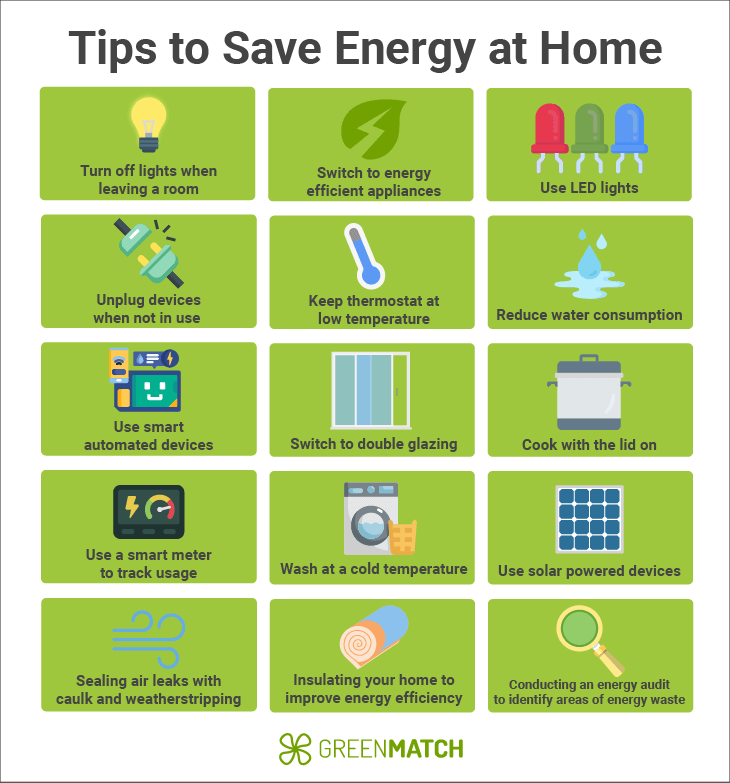
In addition to switching providers, there are several small changes you can make to reduce your energy consumption:
- Choosing one provider for gas and electricity: Opting for a single provider will give you access to discounts and incentives that might not be available when using separate providers.
- Direct debit payments: By setting up direct debit payments, you’ll eliminate the need for paper bills and save money on postage costs.
- Energy-efficient appliances: Upgrading to energy-efficient appliances can help reduce your overall consumption.
A Focus on Consumption
While it may seem counterintuitive, reducing consumption is a crucial aspect of saving energy. Here’s why:
- Reduced usage means lower bills: By consuming less energy, you’ll naturally reduce your bills.
- Environmental benefits: Lower energy consumption translates to reduced greenhouse gas emissions and a smaller carbon footprint.
So, what can you do?
- Use power-saving devices: Devices like power strips and smart plugs can help reduce standby power consumption.
- Adjust your thermostat: Regulating the temperature in your home can make a significant difference in energy consumption.
- Optimize lighting: Using LED bulbs and turning off lights when not in use will also contribute to reduced energy usage.
Insulation and Energy Efficiency
In homes with low energy efficiency, there’s often a significant amount of energy being wasted. Insufficient insulation, outdated heating systems, and old windows can all contribute to increased energy consumption.
To address these issues:
- Invest in energy-efficient materials: Upgrading your home’s insulation and using eco-friendly materials can help reduce heat loss.
- Upgrade to modern heating systems: Replacing old boilers with more efficient models can lead to significant savings on your bills.
- Replace old windows: Installing new, energy-efficient windows will not only improve the aesthetic of your home but also reduce energy consumption.
Government Incentives
The government offers several incentives to encourage homeowners to invest in energy-efficient upgrades. These include:
- IVA discounts: Eligible homeowners can receive a discount on their Value Added Tax (IVA) payments.
- IRPEF deductions: Homeowners may be eligible for tax deductions on the cost of energy-efficient materials and equipment.
By taking advantage of these incentives, you can not only reduce your energy consumption but also save money on your bills.


