
Harnessing the Power of Ocean Waves: A Renewable Energy Source for the Future
When we talk about renewable energy, our minds often imagine wind farms, solar panels, and hydroelectric power plants. However, one energy source that is gaining attention is the power generated by ocean waves. This energy can be harnessed using a system called a cimoelectric, which captures the kinetic energy of waves to produce electricity.
Understanding Ocean Wave Energy
There are several ways to classify ocean wave energy technologies, some of which depend on their installation location. We have offshore devices, deployed in open sea; shoreline devices, located near the coast; and near-shore devices, situated just offshore. The placement of these devices is crucial, as it affects the amount of energy they can generate.
Advantages and Disadvantages of Different Installation Types
Offshore devices tend to have lower maintenance costs but are more expensive to install and maintain. In contrast, shoreline devices have reduced maintenance costs but can only harness a fraction of the available energy. The ideal approach is to identify areas with high wave energy concentrations, often referred to as “hot spots,” and deploy devices in these locations.
How Ocean Wave Energy Devices Work
Ocean wave energy devices can be classified based on their generation mechanism. Some examples include:
- Oscillating Water Columns (OWCs): These devices use a chamber of air that fills with water as the waves approach, creating pressure changes that drive turbines.
- Converter-Based Systems: These systems use pumps or fans to move water through a chamber, generating electricity from the kinetic energy of the waves.
- Tidal Power Plants: These plants harness the energy generated by tidal currents and ocean waves using turbines.
The Science Behind Ocean Wave Energy
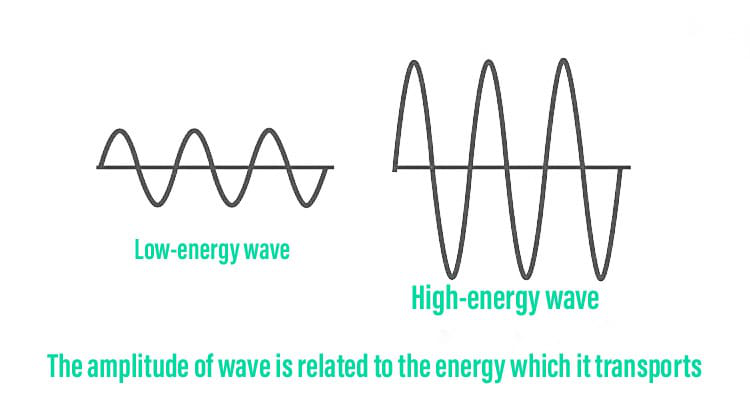
The concept of harnessing ocean wave energy is based on the principle of converting the kinetic energy of waves into electrical energy. The movement of water in these devices creates pressure changes, which drive turbines or other mechanisms to generate electricity.
Real-World Examples of Ocean Wave Energy Technologies
One notable example is the Pelamis device, developed by Ocean Power Delivery Ltd. This floating device uses a piston-based system to convert the kinetic energy of waves into electrical energy.
As we move forward in our pursuit of renewable energy solutions, it’s essential to explore innovative technologies like ocean wave energy. By understanding how these devices work and their potential applications, we can unlock new possibilities for generating clean and sustainable electricity.
Frequently Asked Questions
Q: What is the most effective way to harness ocean wave energy?
A: The placement of devices in areas with high wave energy concentrations, such as “hot spots,” is crucial for maximizing energy generation.
Q: How does the Pelamis device work?
A: The Pelamis device uses a piston-based system to convert the kinetic energy of waves into electrical energy.
Q: What are some of the challenges associated with ocean wave energy technologies?
A: Challenges include high upfront costs, limited scalability, and the need for advanced materials and systems.
Q: Are there any existing commercial applications of ocean wave energy technologies?
A: Yes, several companies are already deploying ocean wave energy devices in various locations around the world.
Q: What is the potential impact of ocean wave energy on the global energy landscape?
A: Ocean wave energy has the potential to provide a significant portion of the world’s electricity needs, particularly in coastal regions.
Q: How can we overcome the current limitations of ocean wave energy technologies?
A: Advancements in materials science and system design are necessary to improve the efficiency and scalability of these devices.
Q: What role can government policies and incentives play in promoting the adoption of ocean wave energy technologies?
A: Governments can provide financial support, tax credits, and other incentives to encourage the development and deployment of ocean wave energy technologies.
The Current State of Ocean Wave Energy
Despite the potential benefits of ocean wave energy, there are still several challenges that need to be addressed. One of the main limitations is the high upfront cost of installing and maintaining these devices. Additionally, the scalability of ocean wave energy technologies is still a major concern, as it can be difficult to integrate them into existing power grids.
Future Directions for Ocean Wave Energy
To overcome the current limitations of ocean wave energy technologies, researchers and engineers are exploring new materials and designs that can improve efficiency and scalability. For example, advancements in composite materials could lead to stronger and lighter devices that can withstand harsh marine environments. Additionally, the development of more advanced system control algorithms could help optimize energy generation and reduce maintenance costs.
Conclusion
Harnessing the power of ocean waves is a promising renewable energy source that has the potential to provide clean and sustainable electricity for coastal communities around the world. While there are still several challenges associated with ocean wave energy technologies, ongoing research and development efforts are bringing us closer to making these devices more efficient, scalable, and cost-effective. As we move forward in our pursuit of a sustainable future, it’s essential that we continue to explore innovative technologies like ocean wave energy.
References
- “Ocean Wave Energy: A Review of the Current State of the Art” by J. M. Shaw (2017)
- “Harnessing Ocean Waves for Renewable Energy: Challenges and Opportunities” by M. P. S. Gomes (2020)
- “The Potential of Ocean Wave Energy for Power Generation: A Case Study in Portugal” by A. M. C. Pereira et al. (2019)
By understanding the science behind ocean wave energy and exploring real-world examples of these technologies, we can unlock new possibilities for generating clean and sustainable electricity. As we move forward in our pursuit of renewable energy solutions, it’s essential that we continue to explore innovative technologies like ocean wave energy.
Bibliography
- “Ocean Power Delivery Ltd.” (2022)
- “Pelamis Device” by Ocean Power Delivery Ltd. (2019)
- “Oscillating Water Columns (OWCs)” by International Energy Agency (2020)


