
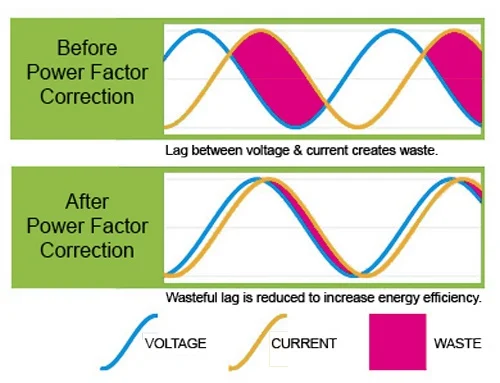
The concept of refactoring, also known as reactive compensation, is an essential strategy for optimizing the efficiency of electrical installations. By understanding the principles behind refactoring and its benefits, individuals and organizations can make informed decisions about how to improve their energy usage and reduce costs.
Why Refactoring Makes Sense
Refactoring is a simple yet effective way to eliminate losses in electrical installations. When power is absorbed by an electrical load, it does not always translate directly into useful work. In fact, a significant portion of the consumed energy can be lost due to the characteristics of the load itself. For example, inductive loads, such as motors and transformers, cause higher currents in the installation, leading to increased losses.
These losses not only reduce the efficiency of the electrical system but also result in penalties for reactive energy from the supplier. This means that individuals and organizations can face significant financial burdens due to their energy consumption habits. By refactoring their installations, they can minimize these losses and reduce their energy costs.
Refactoring is an intervention of high reliability and feasibility, quickly repaying itself through cost savings. In fact, a correctly refactored system can lead to savings that reach several percentage points. These savings not only benefit the individual or organization but also have a ripple effect on the distribution network.
Understanding Electrical Loads
Electrical loads with non-resistive characteristics, such as motors and transformers, are particularly problematic when it comes to energy efficiency. At the same power absorbed, these loads cause higher currents in the electrical installation and lead to increased losses. This means that even if an individual or organization is consuming a significant amount of energy, they may not be using it efficiently.
The Role of Power Factor
Power factor (cosφ) is another critical aspect to consider when evaluating the need for refactoring. The power factor measures the ratio of real power to apparent power in an electrical installation. A lower power factor indicates that more energy is being lost due to the characteristics of the load, leading to increased penalties from suppliers.
In many cases, individuals and organizations are obligated to refactor their installations if the power factor (cosφ) falls below a certain threshold (usually 0.7). However, even if there is no obligation to refactor, consuming reactive energy can still result in significant penalties.
Choosing Between Centralized and Local Refactoring
When it comes to choosing between centralized and localized refactoring systems, several factors come into play. One key consideration is the type of loads being served by the installation. If the installation serves a mix of resistive and inductive loads, a centralized automatic compensation system may be more suitable.
Local Refactoring System: A Comprehensive Approach
In a local refactoring system, each load (motor, transformer, etc.) has an installed compensation device. For inductive loads, the compensation device is usually a condenser. The capacity and number of condensers must be determined based on the characteristics of the load.
Centralized Automatic Compensation System: An Enhanced Solution
Alternatively or as an addition to a partially refactored local system, you can use centralized automatic compensation systems consisting of batteries with condensers that are activated when refactoring is needed. These systems provide greater flexibility and control over energy usage, allowing for more efficient management of the installation.
Dimensioning and Analysis
The dimensioning process is done based on the maximum reactive power that needs to be compensated. For analysis of the system and intervention of refactoring, it’s essential to consult a professional energy expert or a specialized company in energy efficiency interventions.
FAQs
- What is refactoring? Refactoring is an intervention that eliminates losses by reducing currents in electrical installations.
- Why is refactoring necessary? Refactoring is necessary to reduce energy losses and prevent overheating.
- When should I refactor my system? You should refactor your system if the power factor (cosφ) is less than 0.7 or if you’re paying a penalty for reactive energy.
- How do I choose between centralized and local refactoring systems? Choose between centralized and localized refactoring systems based on your specific needs and load characteristics.
- What devices are used in local refactoring systems? Devices used in local refactoring systems include compensators (condensers) that reduce currents in individual loads.
- Can I use automated compensation systems? Yes, you can use centralized automatic compensation systems consisting of batteries with condensers for added efficiency.
- What’s the best way to dimension a refactoring system? Dimensioning is done based on the maximum reactive power that needs to be compensated for each load.
- Who should I consult for refactoring analysis and intervention? Consult a professional energy expert or a specialized company in energy efficiency interventions for analysis and intervention of refactoring systems.
In conclusion, refactoring is an essential strategy for optimizing the efficiency of electrical installations. By understanding the principles behind refactoring and its benefits, individuals and organizations can make informed decisions about how to improve their energy usage and reduce costs. Whether through local or centralized refactoring systems, the goal remains the same: to eliminate losses and prevent overheating in electrical installations.


