
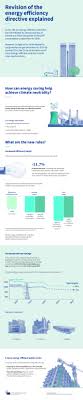
The European Union’s (EU) efforts to reduce greenhouse gas emissions and improve energy efficiency have been a long-standing priority. The latest EU Directive on Energy Efficiency, which came into effect in January 2020, sets ambitious targets for reducing energy consumption by 20% by 2020 compared to 1990. However, environmentalists have expressed concerns that more stringent measures were watered down during the negotiation process.
In this article, we will delve into the details of the EU Directive on Energy Efficiency, its key provisions, and the challenges it poses for member states. We will also explore the impact of the directive on energy efficiency in Europe and discuss the benefits and drawbacks of its implementation.
Background
The EU has been actively promoting energy efficiency since the 1990s, recognizing the importance of reducing greenhouse gas emissions and improving air quality. The European Commission proposed a directive on energy efficiency in 2012, which aimed to reduce energy consumption by 20% by 2020 compared to 1990. However, the draft directive faced opposition from several member states, leading to negotiations that resulted in a watered-down version.
The final directive sets a binding national plan for energy efficiency, which each member state must develop by 2014, 2017, and 2020. The plans will outline measures to reduce energy consumption, including improvements to building insulation, the use of renewable energy sources, and the promotion of energy-efficient technologies.
Key Provisions
The EU Directive on Energy Efficiency sets several key provisions that member states must adhere to:
- Reduce energy consumption by 20% by 2020 compared to 1990
- Develop a national plan for energy efficiency by 2014, 2017, and 2020
- Monitor and report progress on energy efficiency measures
- Promote the use of renewable energy sources
- Improve building insulation
The directive also sets binding obligations regarding the renovation of public buildings in Italy, requiring at least 3% of buildings with a total area over 500 square meters to be renovated, decreasing to 250 in 2020.
Impact on Energy Efficiency in Europe
While the EU Directive on Energy Efficiency has been welcomed as an important step towards reducing greenhouse gas emissions and improving energy efficiency, environmentalists have expressed concerns that more ambitious measures were watered down during the negotiation process.
The directive’s impact will depend on the effective implementation of national plans and binding obligations. Member states must develop and implement their plans in a way that ensures significant reductions in energy consumption. Additionally, the directive requires member states to promote the use of renewable energy sources and improve building insulation, which can have positive impacts on energy efficiency.
Benefits of the Directive
The EU Directive on Energy Efficiency has several benefits, including:
- Reduced greenhouse gas emissions: By reducing energy consumption, the directive will lead to lower greenhouse gas emissions and contribute to mitigating climate change.
- Improved air quality: The directive’s focus on improving building insulation and promoting renewable energy sources can also improve indoor air quality by reducing the need for fossil fuels.
- Enhanced economic competitiveness: Energy-efficient technologies and practices can reduce energy costs, leading to enhanced economic competitiveness for businesses.
However, there are also challenges to be addressed:
- Lack of enforcement mechanisms: The directive relies on member states to develop and implement their national plans, which may lead to inconsistent implementation across the EU.
- Insufficient funding for energy efficiency measures: While the directive encourages member states to invest in energy-efficient technologies and practices, it does not provide sufficient funding for these measures.
- Disparities in implementation across member states: The directive’s binding obligations will be implemented differently across member states, leading to disparities in energy efficiency outcomes.
Conclusion
The EU Directive on Energy Efficiency is a crucial step towards reducing greenhouse gas emissions and improving air quality. While it has several benefits, environmentalists have expressed concerns that more ambitious measures were watered down during the negotiation process. The directive’s impact will depend on the effective implementation of national plans and binding obligations.
Member states must develop and implement their plans in a way that ensures significant reductions in energy consumption. Additionally, the directive requires member states to promote the use of renewable energy sources and improve building insulation, which can have positive impacts on energy efficiency.
As we move forward with implementing this directive, it is essential that we address the challenges that arise and work towards creating a more sustainable energy future for Europe.


