
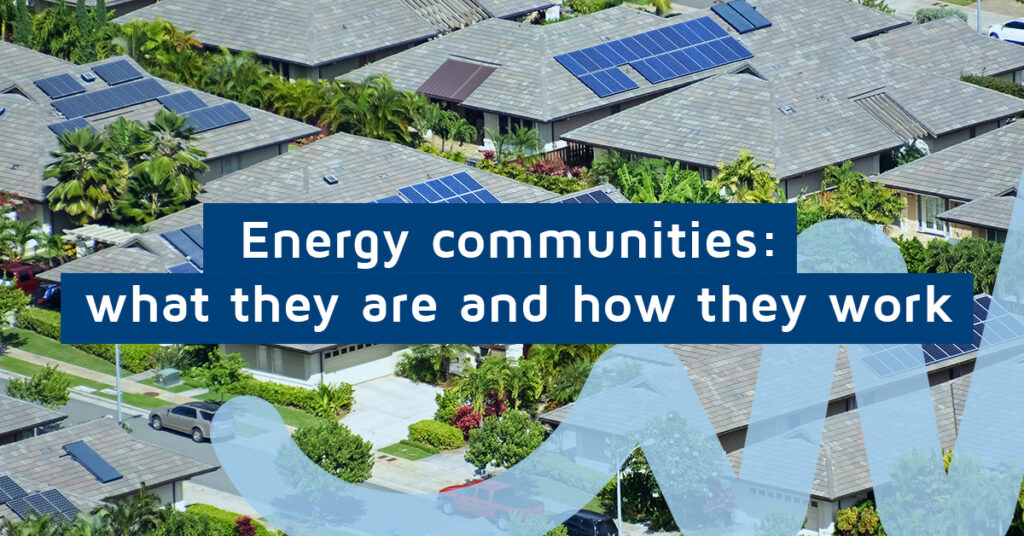
As the world shifts towards a more sustainable future, energy communities are becoming an increasingly important concept. But what exactly are these communities, and how can you participate in them? In this article, we’ll delve into the world of energy communities, exploring their benefits, how they work, and what it takes to join.
What Are Energy Communities?
Energy communities, also known as “Community Energy” or “Cooperatives,” are groups of individuals who come together to produce and share renewable energy. This innovative approach to energy production and consumption is based on the principles of sustainability, reducing energy waste, and sharing a common resource at a competitive price.
History of Energy Communities
The concept of energy communities has been around for several decades, but it’s only recently gained widespread attention due to advancements in technology and decreasing costs of renewable energy. In 1970s Germany, for example, community-owned wind farms were established, providing a new source of income for rural communities.
How Do Energy Communities Work?
Energy communities rely on smart grids, also known as “Intelligent Grids,” which enable individuals to actively participate in the energy production and distribution process. This allows anyone with a solar panel installation connected to the grid to share excess energy with their neighbors. The concept of “Prosumers” has emerged, where individuals become both producers and consumers of energy.
Key Components of Energy Communities
- Smart Grids: These advanced grids use IoT sensors and AI algorithms to optimize energy distribution and consumption.
- Renewable Energy Sources: Solar panels, wind turbines, hydroelectric power, and geothermal energy are all used to generate clean energy.
- Battery Storage Systems: Excess energy is stored in batteries for use during peak hours or when the grid is under strain.
Benefits of Energy Communities
Energy communities offer numerous benefits, including:
- Environmental Benefits: By producing renewable energy and reducing waste, energy communities contribute to a lower carbon footprint and help combat climate change.
- Economic Benefits: Energy communities can save individuals and businesses money on their energy bills, while also generating revenue through the sale of excess energy.
- Social Benefits: Energy communities foster a sense of community and cooperation among members, promoting social connections and mutual support.
Examples of Energy Communities
Energy communities can be found in various settings, including residential buildings, offices, hotels, and commercial centers. The concept is particularly relevant for condominiums, where the collective energy production and consumption process can be managed through smart grids.
- Community Solar Programs: These programs allow multiple individuals or businesses to share the benefits of a single solar panel array.
- Wind Cooperatives: Community-owned wind farms provide a new source of income for rural communities.
- Energy Cooperatives: Member-owned cooperatives allow individuals to invest in renewable energy projects and benefit from shared costs.
Future of Energy Communities
As technology continues to advance and costs decrease, the potential for energy communities is vast. According to a study by the Polytechnic University of Milan, the penetration rate of energy communities in Italy could reach 5%, resulting in a significant reduction in CO2 emissions. For individuals participating in these communities, the economic benefits could be substantial, with potential savings of €2 billion annually.
Participating in Energy Communities
To join an energy community, you typically need to have a home solar panel system with battery storage capabilities. This allows you to store excess energy generated during the day for use at night or when the grid is under strain. You can also participate as a consumer without a solar panel system, provided the local infrastructure allows it.
Benefits of Participating in Energy Communities
- Reduce Your Carbon Footprint: By producing renewable energy and reducing waste, you’ll contribute to a lower carbon footprint.
- Save Money on Energy Bills: Excess energy can be sold back to the grid, generating revenue for your participation.
- Foster Social Connections: As a member of an energy community, you’ll have the opportunity to connect with like-minded individuals and build stronger social connections.
Challenges Facing Energy Communities
While energy communities offer numerous benefits, there are also challenges facing their growth. These include:
- High Upfront Costs: The initial investment required for solar panel systems and battery storage can be substantial.
- Grid Infrastructure: Existing grid infrastructure may not be compatible with smart grids, requiring upgrades to support renewable energy sources.
- Regulatory Frameworks: Local regulations may need to be adapted or created to support the development of energy communities.
Conclusion
Energy communities are an innovative approach to energy production and consumption, offering numerous benefits for individuals, businesses, and the environment. As technology continues to advance and costs decrease, the potential for energy communities is vast. By understanding the principles and benefits of energy communities, we can work towards creating a more sustainable future for all.
Frequently Asked Questions
- Q: What are the requirements for participating in an energy community?
- Typically, you need to have a home solar panel system with battery storage capabilities.
- Q: Can I participate in an energy community if I don’t have a solar panel system?
- Yes, provided local infrastructure allows it.
- Q: How do energy communities work?
- Energy communities rely on smart grids to enable active participation in energy production and distribution.
- Q: What are the benefits of energy communities?
- Environmental, economic, and social benefits are all part of what makes energy communities so valuable.
- Q: Can I participate in an energy community as a business or organization?
- Yes, energy communities can be established by businesses and organizations looking to reduce their environmental impact.
By embracing the concept of energy communities, we can work towards a more sustainable future, reduce our reliance on fossil fuels, and promote a cleaner environment for generations to come.


