
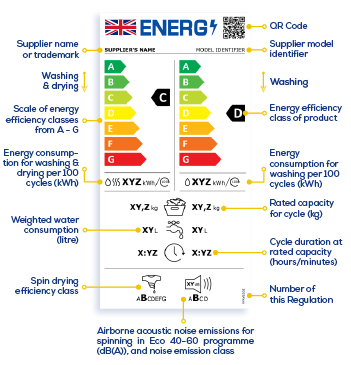
As consumers, it’s essential to be aware of the energy efficiency class of household appliances we use in our daily lives. Not only does this knowledge help us reduce our environmental impact, but it also enables us to claim tax deductions for more energy-efficient products.
In this article, we’ll delve into the world of energy efficiency classes for household appliances, explore their significance, and provide insights on how to make informed purchasing decisions.
What is Energy Efficiency in Household Appliances?
Energy efficiency in household appliances refers to their ability to minimize energy consumption while maintaining performance. The European Union has established a classification system for energy efficiency, which assigns a letter grade (A++ to G) based on the appliance’s annual energy consumption (in kWh). This grading system helps consumers compare the energy efficiency of different products.
Understanding Energy Efficiency Class Grades
Here’s a breakdown of the energy efficiency class grades:
- A+++: The highest rating, indicating the lowest energy consumption.
- A++: Very good energy efficiency, but slightly higher than A+++.
- A: Good energy efficiency.
- B: Slightly lower energy efficiency.
- C: Lower energy efficiency.
- D: Low energy efficiency.
- E and F: The lowest ratings, indicating high energy consumption.
The energy efficiency class grade can vary depending on the appliance type. For example, refrigerators and freezers have a different grading system than washing machines or dishwashers.
Reading Energy Efficiency Class Labels
When reading energy efficiency class labels, it’s essential to consider the actual energy consumption of the product in real-world use, not just the theoretical value. In reality, appliances tend to consume more energy when used extensively.
To make informed purchasing decisions, look for products with a lower energy consumption rating and consider factors such as usage patterns, household size, and climate.
The EU Directive on Energy Labelling
In 2010, the European Union introduced a new directive for energy labelling, which expanded the application of energy efficiency classes to more appliances. This includes items like air conditioners, electric water heaters, and electric ovens.
Tax Incentives for Energy-Efficient Appliances
From June 6th, 2013, to December 31st, 2016, a tax incentive was available for the purchase of energy-efficient household appliances with a minimum rating of A+. This incentivized consumers to upgrade to more efficient products and reduce their environmental impact.
Large Appliances
When it comes to “large” appliances, we’re talking about items like refrigerators, freezers, washing machines, dryers, dishwashers, ovens, stoves, microwaves, electric heaters, radiators, fans, air conditioners, and others. These products have a specific energy efficiency class label.
Choosing the Right Energy-Efficient Appliances
With so many options available, it can be overwhelming to choose the right energy-efficient appliances for your needs. Here are some tips:
- Research different products and their corresponding energy consumption ratings.
- Consider factors like usage patterns, household size, and climate when selecting appliances.
- Look for products with lower energy consumption ratings and features that optimize performance while minimizing energy waste.
Other Factors to Consider
In addition to the energy efficiency class rating, there are several other factors to consider when purchasing energy-efficient appliances:
- Energy Consumption Patterns: If you have a large family or frequently entertain guests, you may need an appliance with higher energy consumption ratings.
- Appliance Age and Condition: Older appliances tend to consume more energy than newer models. Consider replacing your old appliances with new, energy-efficient ones.
- Appliance Maintenance: Regular maintenance can help reduce energy consumption and extend the lifespan of your appliances.
Tips for Reducing Energy Consumption
While purchasing energy-efficient appliances is a great step towards reducing energy consumption, there are several other ways to minimize your energy usage:
- Turn off Appliances When Not in Use: This simple habit can save significant amounts of energy over time.
- Use Power Strips: Plug your electronics into power strips and turn off the strip when not in use to eliminate standby power consumption.
- Adjust Your Thermostat: Lowering your thermostat by just one degree can save up to 3% on your heating bill.
Conclusion
Energy efficiency in household appliances is a crucial aspect of reducing our environmental impact. By understanding the different energy efficiency classes and their corresponding labels, consumers can make informed purchasing decisions and contribute to a more sustainable future.


