
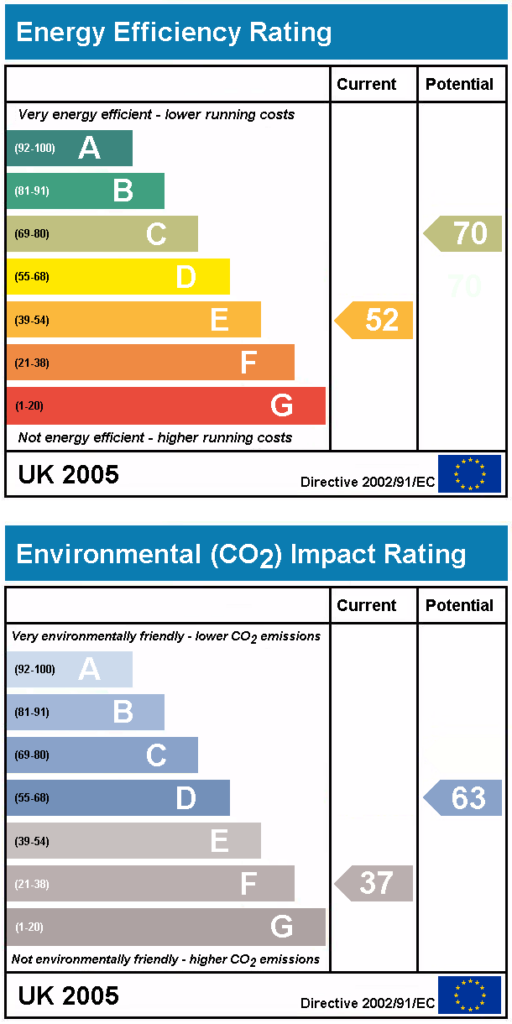
As we’ve explored in our previous article, energy certification is a crucial aspect of ensuring the sustainability and environmental friendliness of buildings. In this article, we’ll delve deeper into the world of energy certification, exploring what it entails, who can carry out the process, and how to find a certified professional.
Understanding Energy Certification
Energy certification is a measure of a building’s ability to conserve energy and reduce its carbon footprint. It’s based on various factors such as insulation levels, window sizes, heating and cooling systems, and more. The goal of energy certification is to provide a clear understanding of a building’s energy performance, allowing homeowners, businesses, and governments to make informed decisions about its sustainability.
Why Energy Certification Matters
In today’s world, energy efficiency is no longer just a concern for the environment; it’s also a significant economic factor. According to the European Commission, energy-efficient buildings can save up to 30% on energy bills, while also reducing greenhouse gas emissions and improving public health.
So, why should you care about energy certification? Here are a few compelling reasons:
- Increased property value: Energy-efficient buildings are more attractive to potential buyers, making them more valuable in the market.
- Reduced energy costs: By optimizing your building’s energy efficiency, you can significantly lower your utility bills.
- Environmental benefits: Energy certification helps reduce greenhouse gas emissions and promotes sustainable practices.
Who Can Carry Out Energy Certification?
To ensure that a building meets energy standards, you’ll need to hire a certified professional. These experts use specialized software and equipment to assess your building’s energy performance and provide a detailed report outlining areas for improvement.
Certified professionals come from various backgrounds, including:
- Architects: With expertise in building design and construction, architects play a crucial role in ensuring energy efficiency.
- Engineers: Energy engineers specialize in designing and optimizing energy systems, making them ideal for energy certification projects.
- Sustainability specialists: These experts have extensive knowledge of sustainable practices and can provide valuable insights on how to improve your building’s energy performance.
What Is Involved in the Certification Process?
The certification process typically involves several steps:
- Pre-assessment: The certifier will conduct a preliminary assessment of your building, identifying potential energy-saving opportunities.
- Site visit: The certifier will visit your building to gather more information about its energy systems and identify areas for improvement.
- Software analysis: The certifier will use specialized software to analyze the data gathered during the site visit and calculate a building’s energy performance rating.
- Report generation: The certifier will generate a comprehensive report outlining the building’s energy performance, recommended improvements, and estimated costs.
What Is Covered in an Energy Certification Report?
An energy certification report provides a detailed analysis of your building’s energy performance, including:
- Energy consumption: A breakdown of your building’s energy usage by type (e.g., heating, cooling, lighting).
- Energy efficiency: An assessment of your building’s energy-efficient features, such as insulation levels and window sizes.
- Recommendations: Suggestions for improving the building’s energy performance and reducing energy consumption.
- Cost estimates: Estimated costs associated with implementing recommended improvements.
Finding a Certified Professional
To find a certified professional to carry out energy certification, you can follow these steps:
- Check online directories: Look up online directories specific to your region or country to find certified professionals in your area.
- Ask for referrals: Ask friends, family members, or colleagues who have undergone energy certification for recommendations.
- Verify certifications: Ensure that the professional you choose is certified by a reputable organization, such as the International Energy Agency (IEA) or the European Union’s Energy Efficiency Directive.
Tips for Getting Started with Energy Certification
To ensure a smooth and successful energy certification process:
- Gather necessary documents: Collect all relevant building plans, energy usage records, and other necessary documentation.
- Plan ahead: Schedule the site visit and software analysis in advance to minimize delays.
- Be prepared for questions: The certifier will ask various questions about your building’s energy systems; be prepared to provide detailed information.
Common Challenges and Solutions
While energy certification is an essential process, it may present some challenges. Here are a few common issues and their solutions:
- Data availability: Ensure that all necessary data is readily available for the certifier to analyze.
- Building complexity: Break down complex building systems into manageable components for easier analysis.
- Budget constraints: Prioritize energy-efficient improvements based on estimated costs and expected benefits.
Conclusion
Energy certification is a crucial aspect of ensuring sustainable and environmentally friendly buildings. By understanding what energy certification entails, why it matters, and how to find certified professionals, you can make informed decisions about your building’s sustainability. With energy-efficient practices becoming increasingly important for both businesses and individuals, it’s essential to prioritize energy certification.
Frequently Asked Questions
Q: What is the purpose of energy certification?
A: Energy certification measures a building’s ability to conserve energy and reduce its carbon footprint, providing valuable insights into areas for improvement and recommended cost savings.
Q: Who can carry out energy certification?
A: Certified professionals with expertise in energy efficiency and sustainability use specialized software and equipment to assess your building’s energy performance.
Q: What is involved in the certification process?
A: The process typically involves a pre-assessment, site visit, software analysis, and report generation.
Q: What can I expect from an energy certification report?
A: A comprehensive report outlining the building’s energy performance, recommended improvements, estimated costs, and detailed analysis of energy consumption and efficiency.
Q: How do I find a certified professional?
A: You can check online directories, ask for referrals, or verify certifications with reputable organizations.


