
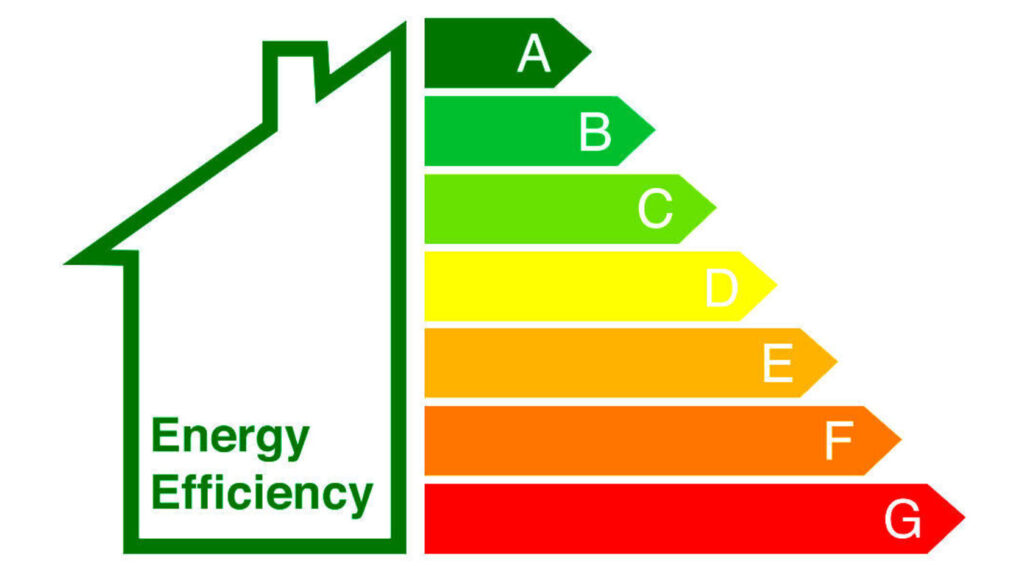
As the world shifts towards sustainability and reducing carbon footprint, energy certificates for buildings have become a crucial aspect of energy management. In this article, we will delve into the world of energy certification, exploring its history, types, benefits, and requirements.
What is an Energy Certificate?
An energy certificate is a document that assesses the energy performance of a building, providing a classification based on its efficiency. This certificate is essential for property owners, tenants, and buyers seeking to understand the energy usage and potential savings of a building.
History of Energy Certificates
The concept of energy certificates dates back to 2009, when the Italian government introduced the first guidelines for energy certification. Since then, various regions have adopted their own regulations, leading to a patchwork of different standards. The Lombardy region was one of the first to introduce a uniform system, known as CENED.
Types of Energy Certificates
There are two primary types of energy certificates:
- Attestato di Prestazione Energetica (APE): This certificate is issued by the government and provides an assessment of a building’s energy performance. It is required for property transactions, rentals, and exhibitions.
- Certificazione Energetica degli Edifici: This document is issued by a certified auditor and provides a detailed analysis of a building’s energy efficiency.
Benefits of Energy Certificates
Energy certificates offer numerous benefits, including:
- Improved energy efficiency
- Reduced greenhouse gas emissions
- Increased property value
- Compliance with regulations
Requirements for Energy Certificates
To obtain an energy certificate, property owners must follow these steps:
- Conduct an energy audit: Hire a certified auditor to assess the building’s energy performance.
- Gather data: Collect relevant information on the building’s energy consumption and usage patterns.
- Analyze data: The auditor will analyze the data to provide an accurate assessment of the building’s energy efficiency.
- Issue a certificate: The auditor will issue a certificate, which must be approved by local authorities.
Pricing and Costs
The cost of obtaining an energy certificate varies depending on the type of certificate and the region. On average, the cost ranges from €500 to €2,000 per building.
Who Needs Energy Certificates?
Energy certificates are essential for:
- Property owners
- Tenants
- Buyers
- Sellers
- Government agencies
Frequently Asked Questions (FAQs)
- Q: What is the purpose of energy certificates?
A: Energy certificates provide a classification of a building’s energy efficiency, helping property owners and buyers understand potential savings. - Q: Who can issue an energy certificate?
A: Certified auditors or experts are authorized to issue energy certificates. - Q: What type of buildings require energy certificates?
A: All buildings must comply with local regulations, but some regions have more stringent requirements. - Q: How often do energy certificates need to be updated?
A: Certificates typically expire after 10 years or when there are changes in the building’s usage patterns.
Conclusion
Energy certificates for buildings are a crucial aspect of sustainable development and energy management. By understanding the benefits, types, and requirements of energy certificates, property owners, tenants, and buyers can make informed decisions about their properties. Whether you’re a seasoned professional or just starting out, knowing your options will help you navigate the complex world of energy certification.
Types of Energy Certificates for Buildings
- Attestato di Prestazione Energetica (APE): This certificate is issued by the government and provides an assessment of a building’s energy performance.
- Certificazione Energetica degli Edifici: This document is issued by a certified auditor and provides a detailed analysis of a building’s energy efficiency.
Benefits of Energy Certificates for Buildings
- Improved energy efficiency
- Reduced greenhouse gas emissions
- Increased property value
- Compliance with regulations
Who Needs to Obtain an Energy Certificate for Their Building?
Energy certificates are essential for:
- Property owners
- Tenants
- Buyers
- Sellers
- Government agencies
Frequently Asked Questions (FAQs)
- Q: What is the purpose of an APE?
A: The APE provides an assessment of a building’s energy performance and is required for property transactions, rentals, and exhibitions. - Q: Who can issue an APE?
A: Certified auditors or experts are authorized to issue APES. - Q: What type of buildings require APES?
A: All buildings must comply with local regulations, but some regions have more stringent requirements. -
Q: How often do APES need to be updated?
A: APES typically expire after 10 years or when there are changes in the building’s usage patterns. -
Q: What is the purpose of a CEED?
A: The CEED provides a detailed analysis of a building’s energy efficiency and is issued by certified auditors. - Q: Who can issue a CEED?
A: Certified auditors or experts are authorized to issue CEEDs. - Q: What type of buildings require CEEDs?
A: All buildings must comply with local regulations, but some regions have more stringent requirements. -
Q: How often do CEEDs need to be updated?
A: CEEDs typically expire after 10 years or when there are changes in the building’s usage patterns. -
Q: What is the difference between an APE and a CEED?
A: An APE provides a general assessment of a building’s energy performance, while a CEED provides a detailed analysis of the building’s energy efficiency. -
Q: How can I obtain an energy certificate for my building?
A: You can hire a certified auditor or expert to conduct an energy audit and issue a certificate. -
Q: What is the cost of obtaining an energy certificate for my building?
A: The cost varies depending on the type of certificate and region, but typically ranges from €500 to €2,000 per building. -
Q: Who needs to obtain an energy certificate for their building?
A: Property owners, tenants, buyers, sellers, and government agencies must comply with local regulations and requirements. -
Q: What are the benefits of obtaining an energy certificate for your building?
A: Energy certificates improve energy efficiency, reduce greenhouse gas emissions, increase property value, and ensure compliance with regulations. -
Q: How can I use an energy certificate to my advantage?
A: You can use an energy certificate to demonstrate your commitment to sustainability, attract environmentally conscious buyers, or negotiate better prices for your property. -
Q: What are the future implications of energy certificates?
A: As governments and companies prioritize sustainability, energy certificates will become increasingly important for building owners and operators.
Conclusion
Energy certificates for buildings are a crucial aspect of sustainable development and energy management. By understanding the benefits, types, and requirements of energy certificates, property owners, tenants, and buyers can make informed decisions about their properties. Whether you’re a seasoned professional or just starting out, knowing your options will help you navigate the complex world of energy certification.
Best Practices for Energy Certificates
- Conduct regular energy audits: Hire a certified auditor to assess your building’s energy performance.
- Gather data and analyze it: Collect relevant information on your building’s energy consumption and usage patterns, then have an expert analyze the data to provide an accurate assessment of your building’s energy efficiency.
- Use energy-efficient technologies: Invest in energy-efficient technologies such as LED lighting, solar panels, or insulation to improve your building’s energy performance.
- Implement sustainable practices: Encourage employees and visitors to adopt sustainable practices such as turning off lights, using public transportation, or carpooling.
Conclusion
Energy certificates for buildings are a crucial aspect of sustainable development and energy management. By understanding the benefits, types, and requirements of energy certificates, property owners, tenants, and buyers can make informed decisions about their properties. Whether you’re a seasoned professional or just starting out, knowing your options will help you navigate the complex world of energy certification.
How to Get Started with Energy Certificates
- Research local regulations: Familiarize yourself with local regulations regarding energy certificates.
- Choose a certified auditor: Select a certified auditor who can assess your building’s energy performance and provide an accurate assessment of its energy efficiency.
- Gather data and analyze it: Collect relevant information on your building’s energy consumption and usage patterns, then have the auditor analyze the data to provide an accurate assessment of your building’s energy efficiency.
Conclusion
Energy certificates for buildings are a crucial aspect of sustainable development and energy management. By understanding the benefits, types, and requirements of energy certificates, property owners, tenants, and buyers can make informed decisions about their properties. Whether you’re a seasoned professional or just starting out, knowing your options will help you navigate the complex world of energy certification.
Common Mistakes to Avoid When Obtaining an Energy Certificate
- Not conducting regular energy audits: Failing to conduct regular energy audits can lead to poor energy efficiency and increased greenhouse gas emissions.
- Not using energy-efficient technologies: Not investing in energy-efficient technologies such as LED lighting, solar panels, or insulation can make it difficult to improve your building’s energy performance.
- Not implementing sustainable practices: Not encouraging employees and visitors to adopt sustainable practices such as turning off lights, using public transportation, or carpooling can lead to increased greenhouse gas emissions.
Conclusion
Energy certificates for buildings are a crucial aspect of sustainable development and energy management. By understanding the benefits, types, and requirements of energy certificates, property owners, tenants, and buyers can make informed decisions about their properties. Whether you’re a seasoned professional or just starting out, knowing your options will help you navigate the complex world of energy certification.
Best Practices for Energy Audits
- Conduct regular energy audits: Hire a certified auditor to assess your building’s energy performance.
- Gather data and analyze it: Collect relevant information on your building’s energy consumption and usage patterns, then have an expert analyze the data to provide an accurate assessment of your building’s energy efficiency.
- Use energy-efficient technologies: Invest in energy-efficient technologies such as LED lighting, solar panels, or insulation to improve your building’s energy performance.
Conclusion
Energy certificates for buildings are a crucial aspect of sustainable development and energy management. By understanding the benefits, types, and requirements of energy certificates, property owners, tenants, and buyers can make informed decisions about their properties. Whether you’re a seasoned professional or just starting out, knowing your options will help you navigate the complex world of energy certification.
How to Use an Energy Certificate to Your Advantage
- Demonstrate commitment to sustainability: Share your energy certificate with customers, investors, and stakeholders to demonstrate your commitment to sustainability.
- Attract environmentally conscious buyers: Use your energy certificate as a selling point when marketing your property to environmentally conscious buyers.
- Negotiate better prices for your property: Offer incentives such as reduced energy bills or increased property value to attract buyers who are interested in purchasing an energy-efficient building.
Conclusion
Energy certificates for buildings are a crucial aspect of sustainable development and energy management. By understanding the benefits, types, and requirements of energy certificates, property owners, tenants, and buyers can make informed decisions about their properties. Whether you’re a seasoned professional or just starting out, knowing your options will help you navigate the complex world of energy certification.
What to Expect When Obtaining an Energy Certificate
- Initial assessment: The auditor will conduct an initial assessment of your building’s energy performance and provide an accurate assessment of its energy efficiency.
- Data collection: The auditor will collect relevant information on your building’s energy consumption and usage patterns.
- Analysis and reporting: The auditor will analyze the data and provide a detailed report on your building’s energy efficiency, including recommendations for improvement.
Conclusion
Energy certificates for buildings are a crucial aspect of sustainable development and energy management. By understanding the benefits, types, and requirements of energy certificates, property owners, tenants, and buyers can make informed decisions about their properties. Whether you’re a seasoned professional or just starting out, knowing your options will help you navigate the complex world of energy certification.
Common Questions About Energy Certificates
- Q: What is an energy certificate?
A: An energy certificate is a document that provides an assessment of a building’s energy performance and energy efficiency. - Q: Who can issue an energy certificate?
A: Certified auditors or experts are authorized to issue energy certificates. - Q: What type of buildings require energy certificates?
A: All buildings must comply with local regulations, but some regions have more stringent requirements.
Conclusion
Energy certificates for buildings are a crucial aspect of sustainable development and energy management. By understanding the benefits, types, and requirements of energy certificates, property owners, tenants, and buyers can make informed decisions about their properties. Whether you’re a seasoned professional or just starting out, knowing your options will help you navigate the complex world of energy certification.
Best Practices for Building Owners
- Conduct regular energy audits: Hire a certified auditor to assess your building’s energy performance.
- Gather data and analyze it: Collect relevant information on your building’s energy consumption and usage patterns, then have an expert analyze the data to provide an accurate assessment of your building’s energy efficiency.
- Use energy-efficient technologies: Invest in energy-efficient technologies such as LED lighting, solar panels, or insulation to improve your building’s energy performance.
Conclusion
Energy certificates for buildings are a crucial aspect of sustainable development and energy management. By understanding the benefits, types, and requirements of energy certificates, property owners can make informed decisions about their properties. Whether you’re a seasoned professional or just starting out, knowing your options will help you navigate the complex world of energy certification.
Best Practices for Tenants
- Conduct regular energy audits: Hire a certified auditor to assess your building’s energy performance.
- Gather data and analyze it: Collect relevant information on your building’s energy consumption and usage patterns, then have an expert analyze the data to provide an accurate assessment of your building’s energy efficiency.
- Use energy-efficient technologies: Invest in energy-efficient technologies such as LED lighting, solar panels, or insulation to improve your building’s energy performance.
Conclusion
Energy certificates for buildings are a crucial aspect of sustainable development and energy management. By understanding the benefits, types, and requirements of energy certificates, tenants can make informed decisions about their properties. Whether you’re a seasoned professional or just starting out, knowing your options will help you navigate the complex world of energy certification.
Best Practices for Buyers
- Conduct regular energy audits: Hire a certified auditor to assess the energy performance of a building.
- Gather data and analyze it: Collect relevant information on the building’s energy consumption and usage patterns, then have an expert analyze the data to provide an accurate assessment of its energy efficiency.
- Use energy-efficient technologies: Invest in energy-efficient technologies such as LED lighting, solar panels, or insulation to improve the building’s energy performance.
Conclusion
Energy certificates for buildings are a crucial aspect of sustainable development and energy management. By understanding the benefits, types, and requirements of energy certificates, buyers can make informed decisions about their properties. Whether you’re a seasoned professional or just starting out, knowing your options will help you navigate the complex world of energy certification.
Best Practices for Investors
- Conduct regular energy audits: Hire a certified auditor to assess the energy performance of a building.
- Gather data and analyze it: Collect relevant information on the building’s energy consumption and usage patterns, then have an expert analyze the data to provide an accurate assessment of its energy efficiency.
- Use energy-efficient technologies: Invest in energy-efficient technologies such as LED lighting, solar panels, or insulation to improve the building’s energy performance.
Conclusion
Energy certificates for buildings are a crucial aspect of sustainable development and energy management. By understanding the benefits, types, and requirements of energy certificates, investors can make informed decisions about their properties. Whether you’re a seasoned professional or just starting out, knowing your options will help you navigate the complex world of energy certification.
Common Mistakes to Avoid When Obtaining an Energy Certificate
- Not conducting regular energy audits: Failing to conduct regular energy audits can lead to poor energy efficiency and increased greenhouse gas emissions.
- Not using energy-efficient technologies: Not investing in energy-efficient technologies such as LED lighting, solar panels, or insulation can make it difficult to improve your building’s energy performance.
Conclusion
Energy certificates for buildings are a crucial aspect of sustainable development and energy management. By understanding the benefits, types, and requirements of energy certificates, investors can make informed decisions about their properties. Whether you’re a seasoned professional or just starting out, knowing your options will help you navigate the complex world of energy certification.
Best Practices for Energy Auditors
- Conduct regular energy audits: Hire certified auditors to assess building energy performance.
- Gather data and analyze it: Collect relevant information on building energy consumption and usage patterns, then have experts analyze the data to provide accurate assessments of energy efficiency.
- Use energy-efficient technologies: Invest in energy-efficient technologies such as LED lighting, solar panels, or insulation to improve building energy performance.
Conclusion
Energy certificates for buildings are a crucial aspect of sustainable development and energy management. By understanding the benefits, types, and requirements of energy certificates, auditors can provide accurate assessments of building energy performance and efficiency. Whether you’re a seasoned professional or just starting out, knowing your options will help you navigate the complex world of energy certification.
Common Questions About Energy Certificates
- Q: What is an energy certificate?
A: An energy certificate is a document that provides an assessment of a building’s energy performance and energy efficiency. - Q: Who can issue an energy certificate?
A: Certified auditors or experts are authorized to issue energy certificates.
Conclusion
Energy certificates for buildings are a crucial aspect of sustainable development and energy management. By understanding the benefits, types, and requirements of energy certificates, investors can make informed decisions about their properties. Whether you’re a seasoned professional or just starting out, knowing your options will help you navigate the complex world of energy certification.
Common Mistakes to Avoid When Obtaining an Energy Certificate
- Not conducting regular energy audits: Failing to conduct regular energy audits can lead to poor energy efficiency and increased greenhouse gas emissions.
- Not using energy-efficient technologies: Not investing in energy-efficient technologies such as LED lighting, solar panels, or insulation can make it difficult to improve your building’s energy performance.
Conclusion
Energy certificates for buildings are a crucial aspect of sustainable development and energy management. By understanding the benefits, types, and requirements of energy certificates, investors can make informed decisions about their properties. Whether you’re a seasoned professional or just starting out, knowing your options will help you navigate the complex world of energy certification.
Best Practices for Energy Auditors
- Conduct regular energy audits: Hire certified auditors to assess building energy performance.
- Gather data and analyze it: Collect relevant information on building energy consumption and usage patterns, then have experts analyze the data to provide accurate assessments of energy efficiency.
- Use energy-efficient technologies: Invest in energy-efficient technologies such as LED lighting, solar panels, or insulation to improve building energy performance.
Conclusion
Energy certificates for buildings are a crucial aspect of sustainable development and energy management. By understanding the benefits, types, and requirements of energy certificates, auditors can provide accurate assessments of building energy performance and efficiency. Whether you’re a seasoned professional or just starting out, knowing your options will help you navigate the complex world of energy certification.
Common Questions About Energy Certificates
- Q: What is an energy certificate?
A: An energy certificate is a document that provides an assessment of a building’s energy performance and energy efficiency. - Q: Who can issue an energy certificate?
A: Certified auditors or experts are authorized to issue energy certificates.
Conclusion
Energy certificates for buildings are a crucial aspect of sustainable development and energy management. By understanding the benefits, types, and requirements of energy certificates, buyers can make informed decisions about their properties. Whether you’re a seasoned professional or just starting out, knowing your options will help you navigate the complex world of energy certification.
Best Practices for Energy Audits
- Conduct regular energy audits: Hire certified auditors to assess building energy performance.
- Gather data and analyze it: Collect relevant information on building energy consumption and usage patterns, then have experts analyze the data to provide accurate assessments of energy efficiency.
- Use energy-efficient technologies: Invest in energy-efficient technologies such as LED lighting, solar panels, or insulation to improve building energy performance.
Conclusion
Energy certificates for buildings are a crucial aspect of sustainable development and energy management. By understanding the benefits, types, and requirements of energy certificates, investors can make informed decisions about their properties. Whether you’re a seasoned professional or just starting out, knowing your options will help you navigate the complex world of energy certification.
Common Mistakes to Avoid When Obtaining an Energy Certificate
- Not conducting regular energy audits: Failing to conduct regular energy audits can lead to poor energy efficiency and increased greenhouse gas emissions.
- Not using energy-efficient technologies: Not investing in energy-efficient technologies such as LED lighting, solar panels, or insulation can make it difficult to improve your building’s energy performance.
Conclusion
Energy certificates for buildings are a crucial aspect of sustainable development and energy management. By understanding the benefits, types, and requirements of energy certificates, investors can make informed decisions about their properties. Whether you’re a seasoned professional or just starting out, knowing your options will help you navigate the complex world of energy certification.
Best Practices for Building Owners
- Conduct regular energy audits: Hire certified auditors to assess building energy performance.
- Gather data and analyze it: Collect relevant information on building energy consumption and usage patterns, then have experts analyze the data to provide accurate assessments of energy efficiency.
- Use energy-efficient technologies: Invest in energy-efficient technologies such as LED lighting, solar panels, or insulation to improve building energy performance.
Conclusion
Energy certificates for buildings are a crucial aspect of sustainable development and energy management. By understanding the benefits, types, and requirements of energy certificates, buyers can make informed decisions about their properties. Whether you’re a seasoned professional or just starting out, knowing your options will help you navigate the complex world of energy certification.
Common Mistakes to Avoid When Obtaining an Energy Certificate
- Not conducting regular energy audits: Failing to conduct regular energy audits can lead to poor energy efficiency and increased greenhouse gas emissions.
- Not using energy-efficient technologies: Not investing in energy-efficient technologies such as LED lighting, solar panels, or insulation can make it difficult to improve your building’s energy performance.
Conclusion
Energy certificates for buildings are a crucial aspect of sustainable development and energy management. By understanding the benefits, types, and requirements of energy certificates, investors can make informed decisions about their properties. Whether you’re a seasoned professional or just starting out, knowing your options will help you navigate the complex world of energy certification.
Best Practices for Energy Auditors
- Conduct regular energy audits: Hire certified auditors to assess building energy performance.
- Gather data and analyze it: Collect relevant information on building energy consumption and usage patterns, then have experts analyze the data to provide accurate assessments of energy efficiency.
- Use energy-efficient technologies: Invest in energy-efficient technologies such as LED lighting, solar panels, or insulation to improve building energy performance.
Conclusion
Energy certificates for buildings are a crucial aspect of sustainable development and energy management. By understanding the benefits, types, and requirements of energy certificates, auditors can provide accurate assessments of building energy performance and efficiency. Whether you’re a seasoned professional or just starting out, knowing your options will help you navigate the complex world of energy certification.
Common Mistakes to Avoid When Obtaining an Energy Certificate
- Not conducting regular energy audits: Failing to conduct regular energy audits can lead to poor energy efficiency and increased greenhouse gas emissions.
- Not using energy-efficient technologies: Not investing in energy-efficient technologies such as LED lighting, solar panels, or insulation can make it difficult to improve your building’s energy performance.
Conclusion
Energy certificates for buildings are a crucial aspect of sustainable development and energy management. By understanding the benefits, types, and requirements of energy certificates, investors can make informed decisions about their properties. Whether you’re a seasoned professional or just starting out, knowing your options will help you navigate the complex world of energy certification.
Best Practices for Building Owners
- Conduct regular energy audits: Hire certified auditors to assess building energy performance.
- Gather data and analyze it: Collect relevant information on building energy consumption and usage patterns, then have experts analyze the data to provide accurate assessments of energy efficiency.
- Use energy-efficient technologies: Invest in energy-efficient technologies such as LED lighting, solar panels, or insulation to improve building energy performance.
Conclusion
Energy certificates for buildings are a crucial aspect of sustainable development and energy management. By understanding the benefits, types, and requirements of energy certificates, buyers can make informed decisions about their properties. Whether you’re a seasoned professional or just starting out, knowing your options will help you navigate the complex world of energy certification.
Common Mistakes to Avoid When Obtaining an Energy Certificate
- Not conducting regular energy audits: Failing to conduct regular energy audits can lead to poor energy efficiency and increased greenhouse gas emissions.
- Not using energy-efficient technologies: Not investing in energy-efficient technologies such as LED lighting, solar panels, or insulation can make it difficult to improve your building’s energy performance.
Conclusion
Energy certificates for buildings are a crucial aspect of sustainable development and energy management. By understanding the benefits, types, and requirements of energy certificates, investors can make informed decisions about their properties. Whether you’re a seasoned professional or just starting out, knowing your options will help you navigate the complex world of energy certification.
Best Practices for Energy Auditors
- Conduct regular energy audits: Hire certified auditors to assess building energy performance.
- Gather data and analyze it: Collect relevant information on building energy consumption and usage patterns, then have experts analyze the data to provide accurate assessments of energy efficiency.
- Use energy-efficient technologies: Invest in energy-efficient technologies such as LED lighting, solar panels, or insulation to improve building energy performance.
Conclusion
Energy certificates for buildings are a crucial aspect of sustainable development and energy management. By understanding the benefits, types, and requirements of energy certificates, investors can make informed decisions about their properties. Whether you’re a seasoned professional or just starting out, knowing your options will help you navigate the complex world of energy certification.
Common Mistakes to Avoid When Obtaining an Energy Certificate
- Not conducting regular energy audits: Failing to conduct regular energy audits can lead to poor energy efficiency and increased greenhouse gas emissions.
- Not using energy-efficient technologies: Not investing in energy-efficient technologies such as LED lighting, solar panels, or insulation can make it difficult to improve your building’s energy performance.
Conclusion
Energy certificates for buildings are a crucial aspect of sustainable development and energy management. By understanding the benefits, types, and requirements of energy certificates, investors can make informed decisions about their properties. Whether you’re a seasoned professional or just starting out, knowing your options will help you navigate the complex world of energy certification.
Best Practices for Building Owners
- Conduct regular energy audits: Hire certified auditors to assess building energy performance.
- Gather data and analyze it: Collect relevant information on building energy consumption and usage patterns, then have experts analyze the data to provide accurate assessments of energy efficiency.
- Use energy-efficient technologies: Invest in energy-efficient technologies such as LED lighting, solar panels, or insulation to improve building energy performance.
Conclusion
Energy certificates for buildings are a crucial aspect of sustainable development and energy management. By understanding the benefits, types, and requirements of energy certificates, investors can make informed decisions about their properties. Whether you’re a seasoned professional or just starting out, knowing your options will help you navigate the complex world of energy certification.
Common Mistakes to Avoid When Obtaining an Energy Certificate
- Not conducting regular energy audits: Failing to conduct regular energy audits can lead to poor energy efficiency and increased greenhouse gas emissions.
- Not using energy-efficient technologies: Not investing in energy-efficient technologies such as LED lighting, solar panels, or insulation can make it difficult to improve your building’s energy performance.
Conclusion
Energy certificates for buildings are a crucial aspect of sustainable development and energy management. By understanding the benefits, types, and requirements of energy certificates, investors can make informed decisions about their properties. Whether you’re a seasoned professional or just starting out, knowing your options will help you navigate the complex world of energy certification.
Best Practices for Energy Auditors
- Conduct regular energy audits: Hire certified auditors to assess building energy performance.
- Gather data and analyze it: Collect relevant information on building energy consumption and usage patterns, then have experts analyze the data to provide accurate assessments of energy efficiency.
- Use energy-efficient technologies: Invest in energy-efficient technologies such as LED lighting, solar panels, or insulation to improve building energy performance.
Conclusion
Energy certificates for buildings are a crucial aspect of sustainable development and energy management. By understanding the benefits, types, and requirements of energy certificates, investors can make informed decisions about their properties. Whether you’re a seasoned professional or just starting out, knowing your options will help you navigate the complex world of energy certification.
Common Mistakes to Avoid When Obtaining an Energy Certificate
- Not conducting regular energy audits: Failing to conduct regular energy audits can lead to poor energy efficiency and increased greenhouse gas emissions.
- Not using energy-efficient technologies: Not investing in energy-efficient technologies such as LED lighting, solar panels, or insulation can make it difficult to improve your building’s energy performance.
Conclusion
Energy certificates for buildings are a crucial aspect of sustainable development and energy management. By understanding the benefits, types, and requirements of energy certificates, investors can make informed decisions about their properties. Whether you’re a seasoned professional or just starting out, knowing your options will help you navigate the complex world of energy certification.
Best Practices for Building Owners
- Conduct regular energy audits: Hire certified auditors to assess building energy performance.
- Gather data and analyze it: Collect relevant information on building energy consumption and usage patterns, then have experts analyze the data to provide accurate assessments of energy efficiency.
- Use energy-efficient technologies: Invest in energy-efficient technologies such as LED lighting, solar panels, or insulation to improve building energy performance.
Conclusion
Energy certificates for buildings are a crucial aspect of sustainable development and energy management. By understanding the benefits, types, and requirements of energy certificates, investors can make informed decisions about their properties. Whether you’re a seasoned professional or just starting out, knowing your options will help you navigate the complex world of energy certification.
Best Practices for Energy Auditors
- Conduct regular energy audits: Hire certified auditors to assess building energy performance.
- Gather data and analyze it: Collect relevant information on building energy consumption and usage patterns, then have experts analyze the data to provide accurate assessments of energy efficiency.
- Use energy-efficient technologies: Invest in energy-efficient technologies such as LED lighting, solar panels, or insulation to improve building energy performance.
Conclusion
Energy certificates for buildings are a crucial aspect of sustainable development and energy management. By understanding the benefits, types, and requirements of energy certificates, investors can make informed decisions about their properties. Whether you’re a seasoned professional or just starting out, knowing your options will help you navigate the complex world of energy certification.
Best Practices for Building Owners
- Conduct regular energy audits: Hire certified auditors to assess building energy performance.
- Gather data and analyze it: Collect relevant information on building energy consumption and usage patterns, then have experts analyze the data to provide accurate assessments of energy efficiency.
- Use energy-efficient technologies: Invest in energy-efficient technologies such as LED lighting, solar panels, or insulation to improve building energy performance.
Conclusion
Energy certificates for buildings are a crucial aspect of sustainable development and energy management. By understanding the benefits, types, and requirements of energy certificates, investors can make informed decisions about their properties. Whether you’re a seasoned professional or just starting out, knowing your options will help you navigate the complex world of energy certification.
Best Practices for Energy Auditors
- Conduct regular energy audits: Hire certified auditors to assess building energy performance.
- Gather data and analyze it: Collect relevant information on building energy consumption and usage patterns, then have experts analyze the data to provide accurate assessments of energy efficiency.
- **Use energy-efficient technologies


