
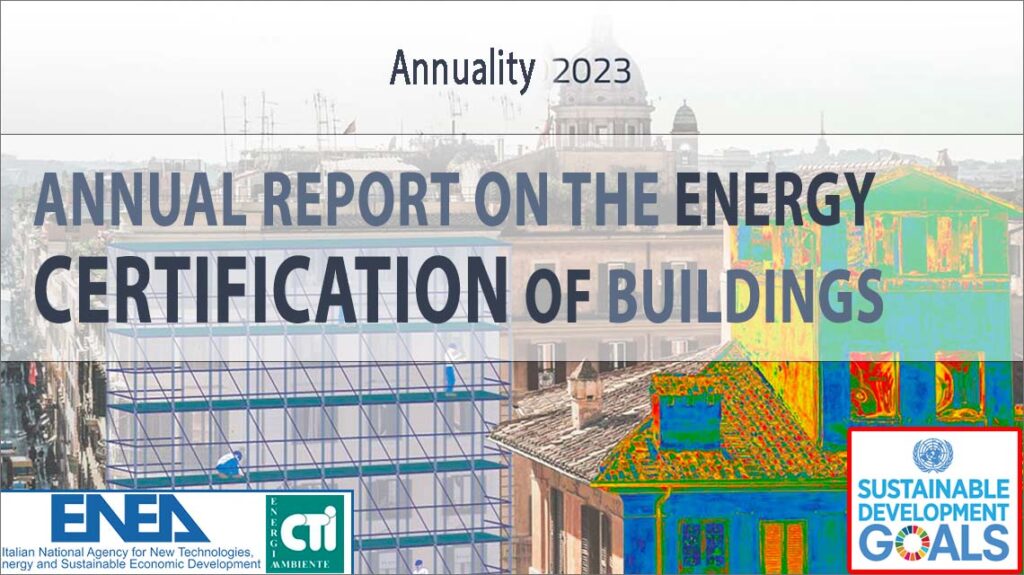
In Italy, energy certificates for buildings have become a crucial aspect of ensuring that our homes and workplaces are sustainable and environmentally friendly. With the country’s commitment to reducing its carbon footprint, these certificates play a vital role in promoting energy efficiency.
Introduction to Energy Certificates
Energy certificates measure the energy consumption and efficiency of a building, providing valuable insights into how much energy it uses and how much waste heat is generated. This information helps property owners, buyers, and renters make informed decisions about the building’s energy performance. In Italy, this is especially important due to its harsh climate and high energy demands.
Why Are Energy Certificates Necessary?
Energy certificates are necessary for several reasons:
- Environmental Benefits: By reducing energy consumption, we can lower our carbon footprint and contribute to a more sustainable future.
- Cost Savings: Energy-efficient buildings require less energy to operate, which can lead to significant cost savings for property owners and users.
- Increased Property Value: Buildings with high energy efficiency ratings tend to appreciate in value over time.
The European Union’s Role in Promoting Energy Efficiency
In 2002, the European Union introduced Directive 2002/91/CE, which aimed to improve energy efficiency in buildings across member states. The directive required countries to adopt methods for calculating building energy performance, leading to the development of energy certificates. Italy, however, has been slow to implement these measures.
Italy’s Compliance with EU Regulations
In 2006, Italy received a warning from the European Commission regarding its non-compliance with the directive. Despite numerous reminders and warnings, Italy still hasn’t fully implemented the regulations. This is concerning, as it means that many buildings in the country continue to consume excessive amounts of energy.
The Benefits of Energy Certificates
Energy certificates offer several benefits for property owners, including:
- Reduced Energy Costs: By identifying areas where energy consumption can be improved, property owners can reduce their utility bills.
- Increased Property Value: Buildings with high energy efficiency ratings tend to appreciate in value over time.
- Environmental Benefits: By reducing energy consumption, we can lower our carbon footprint and contribute to a more sustainable future.
How Energy Certificates Work
Energy certificates are typically issued by qualified experts who conduct on-site inspections of the building’s energy systems. The certificate provides an assessment of the building’s energy performance, including its energy efficiency rating. Property owners and buyers can use this information to make informed decisions about the building’s energy needs.
The Importance of Regular Inspections
Regular inspections are crucial for maintaining a building’s energy efficiency. This involves checking for any damage or deterioration to the building’s energy systems, such as the HVAC system. By identifying potential issues early on, property owners can take corrective action to prevent further energy waste.
Challenges in Implementing Energy Certificates
Despite their importance, implementing energy certificates has proven challenging in Italy. The country’s complex regulatory framework and lack of resources have hindered the widespread adoption of energy efficiency measures. Furthermore, the high upfront costs associated with conducting on-site inspections have discouraged some property owners from investing in energy-efficient upgrades.
Solutions to Overcome Challenges
There are several solutions that can help overcome the challenges associated with implementing energy certificates in Italy:
- Simplify the Regulatory Framework: Streamlining the regulatory framework and reducing bureaucratic hurdles can make it easier for property owners to obtain energy certificates.
- Increase Resources: Increasing funding and resources for energy efficiency measures can help promote their adoption.
- Reduce Upfront Costs: Offering financing options or subsidies for energy-efficient upgrades can encourage more property owners to invest in these measures.
Conclusion
Energy certificates for buildings are a vital tool for promoting energy efficiency and sustainability in Italy. While there are challenges to implementing these certificates, their benefits for property owners, buyers, and renters are clear. As the country continues to grapple with climate change, it is essential that we prioritize energy efficiency measures and work towards a more sustainable future.
Frequently Asked Questions
- What is an energy certificate, and why is it necessary?
- An energy certificate measures the energy consumption and efficiency of a building. It provides valuable insights into how much energy a building uses and how much waste heat is generated.
- How are energy certificates issued in Italy?
- Energy certificates are typically issued by qualified experts who conduct on-site inspections of the building’s energy systems.
- What benefits do energy certificates offer for property owners?
- Energy certificates can help reduce energy costs, increase property value, and contribute to a more sustainable future.
- How can I obtain an energy certificate for my building in Italy?
- To obtain an energy certificate, you will need to hire a qualified expert who can conduct on-site inspections of your building’s energy systems.
- What is the importance of regular inspections for maintaining a building’s energy efficiency?
- Regular inspections are crucial for identifying potential issues with the building’s energy systems and taking corrective action to prevent further energy waste.
- How can I overcome the challenges associated with implementing energy certificates in Italy?
- Overcoming the challenges requires a multi-faceted approach, including simplifying the regulatory framework, increasing resources, and reducing upfront costs associated with conducting on-site inspections.
- What are some common misconceptions about energy certificates in Italy?
- Some common misconceptions include believing that energy certificates are expensive or time-consuming to obtain.
- How can I stay up-to-date on the latest developments and updates related to energy certificates in Italy?
- Staying informed involves following reputable sources, attending industry events, and participating in online forums and discussions.
By understanding the importance of energy certificates for buildings in Italy, we can work towards a more sustainable future.


