
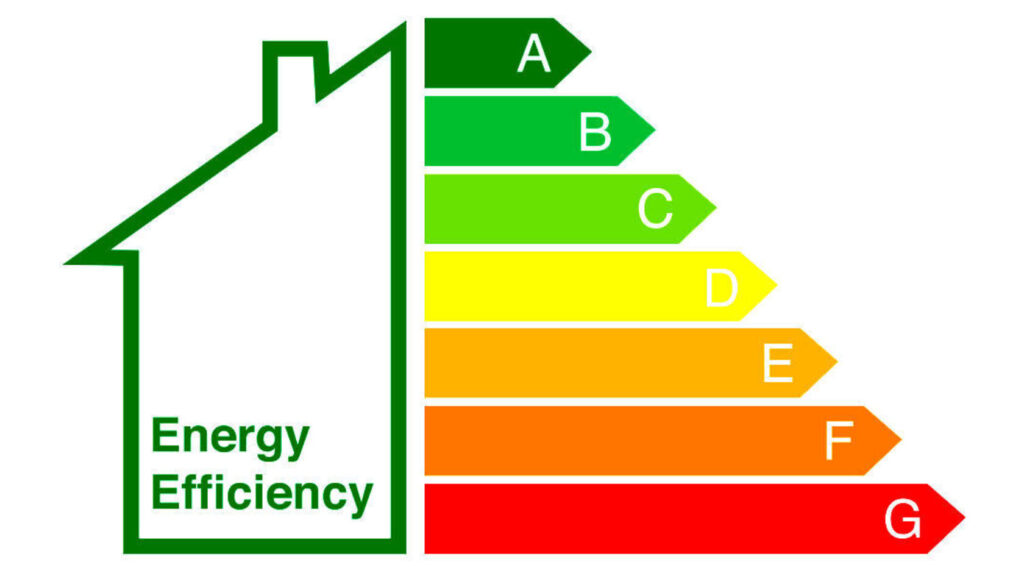
In recent years, energy certificates have become a standard feature in the real estate market. The idea behind these certificates is to provide buyers with an easy way to assess the energy efficiency of a building before making a purchase. However, the reliability of these certificates has come under scrutiny, raising important questions about their accuracy and validity.
Understanding the Concept of Energy Certificates
In theory, energy certificates work much like those found on household appliances. A label or sticker is attached to the product, indicating its energy consumption and efficiency. For buildings, this label indicates the building’s energy efficiency rating, providing potential buyers with a clear picture of what they can expect in terms of energy costs.
However, the concept of energy certificates is not as straightforward as it seems. The ratings provided by these certificates are often based on calculations rather than actual measurements, which can lead to inaccuracies and potential misinformation.
The Importance of Isolation
One crucial factor that affects a building’s energy efficiency is its isolation. Proper insulation can significantly reduce heat loss and minimize energy consumption. However, the quality of insulation is not always guaranteed by an energy certificate.
In fact, studies have shown that even buildings with high energy ratings may still experience significant heat loss due to inadequate insulation or improper installation. This highlights the importance of understanding the complexity of a building’s energy efficiency and not relying solely on certificates for evaluation.
Comfort vs. Energy Efficiency
Another important consideration when evaluating energy certificates for buildings is comfort. A well-insulated building may not always be the most comfortable one. The relationship between isolation and comfort is complex, and it’s crucial to consider both factors when assessing a building’s energy efficiency.
For instance, a building with high energy ratings but poor indoor air quality or excessive noise levels may still be uncomfortable for occupants. Similarly, a building with low energy ratings but excellent insulation and natural ventilation may provide a more comfortable living space despite its lower efficiency.
The Problem with Certificates
So, what’s the problem with energy certificates? One major issue is that they are often based on calculations rather than actual measurements. This can lead to inaccurate ratings and misleading information for potential buyers.
In 2012, engineer Alessandro Picchiolutto spoke out about the lack of standardization in Italy’s energy certificate system. He warned that this could lead to a loss of trust in the certificates themselves, highlighting the need for greater transparency and accountability in the process.
A Lack of Standardization
While other European countries have implemented standardized processes for certifying energy efficiency, Italy remains an outlier. The 2008 law establishing the energy certificate system has yet to be fully implemented, leaving many questions about its effectiveness unanswered.
Engineer Cesare Maria Joppolo has spoken out about the lack of control in the certification process, highlighting the need for greater transparency and accountability. He famously asked: “What value does a certificate have if it’s been sold for a few dollars without any control?”
The Role of Technology
Fortunately, technology is available to help buyers evaluate energy certificates with more confidence. Tools like thermography IR (Infrared Thermography) can reveal the quality of insulation and detect potential heat loss points.
When buying an apartment or house, it’s essential to be critical of the certificate provided by the seller. Look for evidence of proper insulation, and don’t rely solely on calculations or theoretical ratings. Instead, consider hiring a professional to conduct a thorough assessment of the building’s energy efficiency and provide personalized recommendations.
Case Studies
Several case studies have highlighted the limitations of energy certificates in practice. For instance, a study conducted by the Italian Ministry of Environment, Landscape and Sea Resources found that many buildings with high energy ratings actually experienced significant heat loss due to inadequate insulation.
Another study published in the Journal of Building Engineering found that over 50% of buildings with low energy ratings had excellent insulation and natural ventilation, despite their lower efficiency.
These findings suggest that energy certificates can provide valuable information about a building’s potential for energy savings but should not be relied upon as the sole indicator of energy efficiency.
Conclusion
The reliability of energy certificates for buildings is a complex issue, with multiple factors at play. While these certificates can provide valuable information about a building’s energy efficiency, they must be used with caution.
Buyers must be aware of the potential pitfalls in the certification process and take steps to verify the accuracy of the ratings provided. By doing so, we can ensure that our buildings are not only energy-efficient but also comfortable and safe for occupants.
Frequently Asked Questions
Q: What is the purpose of an energy certificate?
A: An energy certificate provides a rating of a building’s energy efficiency, helping potential buyers make informed decisions about their purchase.
Q: How accurate are energy certificates?
A: Energy certificates can be based on calculations rather than actual measurements, leading to inaccuracies and potential misinformation.
Q: Is the certification process standardized in Italy?
A: No, Italy remains an outlier in terms of standardization for certifying energy efficiency, leaving many questions about its effectiveness unanswered.
Q: What role does technology play in evaluating energy certificates?
A: Tools like thermography IR can reveal the quality of insulation and detect potential heat loss points, helping buyers make more informed decisions.
Q: How can I verify the accuracy of an energy certificate?
A: Buyers should look for evidence of proper insulation and be cautious of theoretical ratings or calculations that may not reflect real-world performance.
Q: What are the implications of a lack of standardization in the certification process?
A: A lack of standardization can lead to mistrust in the certificates themselves, highlighting the need for greater transparency and accountability.
Q: Can I trust an energy certificate from a seller?
A: Buyers should approach energy certificates with caution, verifying the accuracy of ratings provided and looking for evidence of proper insulation.
Q: How can we improve the reliability of energy certificates for buildings?
A: Improved standardization in the certification process, increased transparency and accountability, and the use of technology like thermography IR are all potential solutions.


