
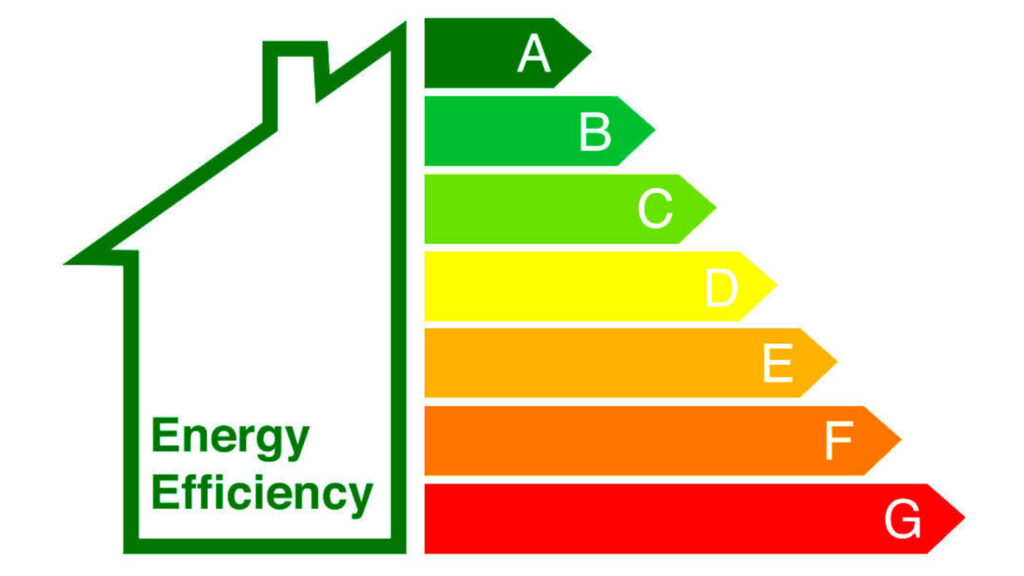
As the world continues to grapple with the challenges of climate change, energy efficiency has become a top priority in many countries. One crucial aspect of achieving this goal is ensuring that buildings are designed and constructed to minimize their carbon footprint. This is where energy certification comes in – a process that assesses the energy efficiency of a building and provides a rating based on its performance.
What is Energy Certification for Buildings?
In 2009, Italy introduced the Decree Ministeriale 26/06, which mandated that all new buildings be certified for energy efficiency. This law has had a significant impact on the way we design and construct buildings, as it requires that we consider not only the building’s physical characteristics but also its operational performance. The certification process assesses the building’s energy consumption in various areas, including heating, cooling, lighting, and more.
How Does Energy Certification Work?
The key to obtaining an energy certificate is to commission a certified energy auditor who will conduct a comprehensive assessment of the building’s energy efficiency. This involves identifying areas where improvements can be made, calculating the building’s current energy consumption, and developing a plan for reducing waste and increasing efficiency. The resulting certificate provides a detailed report on the building’s performance, including an index of overall performance (EPgl).
Why is Energy Certification Important?
Energy certification is essential for several reasons:
- Sustainability: By optimizing building performance, we can reduce our reliance on fossil fuels and lower greenhouse gas emissions.
- Cost Savings: Energy-efficient buildings require less energy to operate, leading to significant cost savings over time.
- Marketability: Energy-certified buildings are more attractive to tenants, buyers, and investors, as they offer a unique selling point.
How Can You Get Your Building Certified?
There are several ways to obtain an energy certificate for your building:
- Commission a certified energy auditor: Hire a qualified professional to conduct a comprehensive assessment of your building’s energy efficiency.
- Use online tools and resources: Take advantage of online platforms that provide energy efficiency analysis and certification services.
- Consult with local authorities: Reach out to your local government for guidance on the certification process and any specific requirements.
Costs Associated with Energy Certification
The cost of obtaining an energy certificate can vary widely depending on the size and complexity of the building:
- Small buildings (mono or bifamily): €300-€1,000
- Medium-sized buildings: €1,500-€3,000
- Large buildings: €2,200-€5,000
Additional Benefits
In addition to reducing energy consumption and costs, an energy certificate can also provide:
- Access to incentives: Many governments offer tax credits or rebates for energy-efficient building upgrades.
- Improved marketability: Energy-certified buildings are more attractive to tenants, buyers, and investors.
Conclusion
Energy certification is a critical step in ensuring that our buildings are designed and constructed to minimize their environmental impact. By understanding the process and its benefits, you can make informed decisions about your building’s energy efficiency and unlock significant savings. Whether you’re an individual homeowner or a commercial property owner, it’s time to take action and start optimizing your building’s performance.
Frequently Asked Questions
- What is the purpose of energy certification for buildings?
Energy certification helps assess a building’s energy efficiency and provides a rating based on its performance. - How do I get my building certified?
You can commission a certified energy auditor, use online tools and resources, or consult with local authorities to obtain an energy certificate. - What are the costs associated with energy certification?
The cost of obtaining an energy certificate varies widely depending on the size and complexity of the building. - Can I get incentives for investing in energy-efficient upgrades?
Yes, many governments offer tax credits or rebates for energy-efficient building upgrades. - How can energy certification improve marketability?
Energy-certified buildings are more attractive to tenants, buyers, and investors due to their unique selling point.
The Benefits of Energy Certification for Building Owners
As a building owner, you may be wondering why investing in energy certification is worth your while. Here are some key benefits:
- Increased Property Value: An energy certificate can increase the value of your property by up to 10%, making it more attractive to potential buyers.
- Reduced Maintenance Costs: Energy-efficient buildings require less maintenance, as they use fewer resources and produce fewer emissions.
- Improved Occupant Health: By reducing indoor air pollution and improving ventilation, energy-certified buildings can create a healthier environment for occupants.
Best Practices for Energy Certification
To get the most out of your energy certification process, follow these best practices:
- Hire a qualified certified energy auditor: Choose an auditor with experience in your building type and location.
- Conduct regular energy audits: Regular audits can help identify areas for improvement and optimize your building’s performance over time.
- Use open data platforms: Utilize online platforms that provide access to building energy usage data, allowing you to track progress and make informed decisions.
Case Studies: Success Stories from Energy Certification
Energy certification is not just a theoretical concept – it has real-world applications. Here are some case studies showcasing the success of energy certification:
- Building A: By implementing energy-efficient upgrades, this office building reduced its energy consumption by 30% and saved €100,000 per year in energy costs.
- Residential Complex B: This residential complex achieved a 25% reduction in energy consumption after installing solar panels and upgrading insulation.
Conclusion
Energy certification is a critical step in ensuring that our buildings are designed and constructed to minimize their environmental impact. By understanding the process and its benefits, you can make informed decisions about your building’s energy efficiency and unlock significant savings. Whether you’re an individual homeowner or a commercial property owner, it’s time to take action and start optimizing your building’s performance.


