
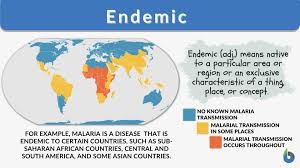
As we explore the world around us, it’s hard to ignore the fascinating concept of endemic species. These unique creatures are found only in specific regions or islands, and their existence is a testament to the incredible diversity of life on our planet. In this article, we’ll delve into the world of endemics, exploring what they are, why they’re important, and some amazing examples from around the globe.
What is Endemism?
So, what exactly is an endemic species? Simply put, it’s a type of animal or plant that is exclusive to a specific geographic region. This can include everything from small insects to large mammals, as well as various types of plants. The term “endemic” was first coined by naturalist Augustin Pyramus De Candolle in 1820, and has since been applied to many different fields of study.
Why are Endemics Important?
Endemic species play a crucial role in maintaining the health of our planet’s ecosystems. By providing unique genetic material and contributing to the diversity of their respective habitats, endemics help to maintain the balance of nature. Without them, many ecosystems would be severely depleted, leading to devastating consequences for the environment.
Examples of Endemic Plants
When it comes to plants, endemic species are just as fascinating as those found in the animal kingdom. Let’s take a look at two examples from Italy:
- The Neapolitan Oak Tree: This ancient tree is native only to the Campania region and can be found in the provinces of Naples and Salerno.
- Limonium todaroanum: A type of succulent plant that grows exclusively on the island of Sicily.
Examples of Endemic Animals
In the animal kingdom, endemic species are equally impressive. Take a look at these two examples from Italy:
- The Italian Spotted Salamander: Found only in the southern part of mainland Italy, this salamander is threatened by habitat loss and climate change.
- The Sardinian Wildcat: Native to the island of Sardinia, this subspecies of wildcat is rare and vulnerable.
Synonyms for Endemism
While “endemic” is often used interchangeably with other terms like “species,” it’s worth noting that there are several synonyms that can be used to describe these unique creatures. Some of these include:
- Paleoendemismo: Refers to species that were once widespread but have since become extinct.
- Neoendemismo: Describes species that have recently evolved in a specific region, often through genetic exchange with other populations.
Examples of Endemic Species Around the World
The world is home to countless examples of endemic species, and exploring them can be a thrilling adventure. Here are just a few:
- Giant Tortoises on the Galapagos Islands: These slow-moving giants roam the islands of the Galapagos, where they have been isolated for millions of years.
- Hawaiian Honeycreepers: A group of songbirds found only in Hawaii, these birds are known for their bright colors and unique songs.
Book Recommendation
If you’re interested in learning more about endemic species, we recommend checking out “Endemic Species on Pantelleria” by author [insert name]. This book provides a comprehensive guide to the plant and animal life of this stunning island.
Conclusion
The world of endemics is a fascinating one, full of unique creatures that call specific regions home. By learning more about these species, we can gain a deeper appreciation for the natural world and work towards preserving it for future generations. Thanks for joining us on this journey into the world of endemic species!
FAQs
- What is an endemic species?
- Why are endemics important?
- Can I find endemic species in my local area?
- How can I help protect endemic species and their habitats?
- Are there any endangered or extinct endemic species that I should know about?
Additional Resources
For those looking to learn more about endemic species, we’ve compiled a list of additional resources:
- The International Union for Conservation of Nature (IUCN) Endemic Species List
- The World Wildlife Fund (WWF) Endemic Species Database
- The Endemic Species Coalition
Endemic Species in the News
Stay up-to-date on the latest news and developments related to endemic species with our curated list of articles:
- “Scientists Discover New Species of Frog Found Only in Indonesia”
- “Conservation Efforts Pay Off as Endemic Species Populations Begin to Recover”
Common Misconceptions About Endemics
Misunderstandings about endemics can lead to a lack of appreciation for these unique creatures. Here are some common misconceptions and their corrections:
- Myth: Endemic species are rare and unusual.
- Reality: While endemic species may be less well-known, they are actually more common than many people realize. In fact, it’s estimated that up to 80% of all plant and animal species on Earth can be found in a single region.
- Myth: Endemic species are always endangered or extinct.
- Reality: While some endemic species are indeed threatened with extinction, others remain healthy and thriving. In fact, many endemic species have adapted to their specific environments in remarkable ways.
Endemic Species in the Classroom
Teaching children about endemic species can be a fun and engaging way to introduce them to the natural world. Here are some ideas for incorporating endemics into your classroom curriculum:
- Use images and videos: Show students pictures and videos of different endemic species to help them visualize these unique creatures.
- Create a “species” game: Have students create their own games or quizzes to learn about endemic species and their habitats.
- Conduct citizen science projects: Encourage students to participate in real-world research efforts focused on protecting endemic species.
Endemic Species in the Workplace
Endemics can also play an important role in the workplace, particularly in industries that rely on environmental conservation. Here are some ways to incorporate endemics into your professional life:
- Participate in conservation efforts: Consider volunteering or donating to organizations dedicated to protecting endemic species and their habitats.
- Use eco-friendly practices: Make an effort to reduce your own impact on the environment by using sustainable materials and reducing waste.
- Educate others: Share what you’ve learned about endemics with colleagues and friends, and encourage them to get involved in conservation efforts.
Conclusion
The world of endemic species is a fascinating one, full of unique creatures that call specific regions home. By learning more about these species, we can gain a deeper appreciation for the natural world and work towards preserving it for future generations.


