
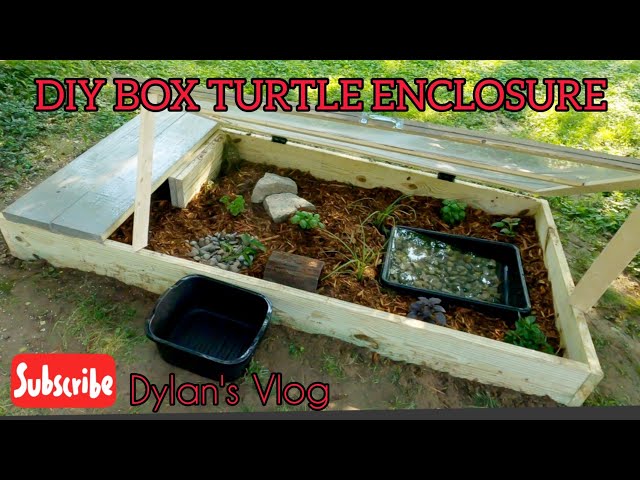
As an animal lover, there’s nothing quite like watching your terrapin thrive in its natural environment. However, providing the right space can be a challenge, especially when it comes to creating a safe and stimulating habitat for these gentle creatures. In this article, we’ll explore the importance of designing a suitable terrapin run, discuss key considerations, and provide a step-by-step guide on how to build one.
Understanding Terrapin Behavior
Before we dive into the design process, let’s understand what drives terrapin behavior. These animals are naturally curious and love to move around, exploring their surroundings through sight and smell. They also enjoy basking in the sun and taking dips in water to regulate their body temperature. To create a happy and healthy environment for your terrapins, you’ll need to provide an area that meets these needs.
Key Considerations for Terrapin Runs
When designing a terrapin run, there are several key considerations to keep in mind:
- Space: Provide enough room for your terrapins to move around comfortably. A good rule of thumb is to allocate at least 5 square meters per adult terrapin.
- Sunlight and Shade: Create an area that receives partial sunlight, allowing your terrapins to bask in the warmth while also providing shade to prevent overheating.
- Water: Include a water feature, such as a pond or pool, to provide your terrapins with a place to swim and cool off.
- Temperature Control: Ensure that your terrapin run is designed to maintain a stable temperature, ideally between 20-25°C (68-77°F).
- Escape-proofing: Make sure the enclosure is escape-proof, as terrapins are skilled diggers and can easily burrow under or over obstacles.
Building a Terrapin Run: A Step-by-Step Guide
To build a terrapin run, you’ll need to gather materials such as wire mesh, wood, and plastic. Here’s a step-by-step guide to help you get started:
- Plan Your Design: Determine the size and layout of your terrapin run based on the space available and the number of animals you’re keeping.
- Build the Base: Construct a solid base using wood or concrete, ensuring it’s level and secure.
- Install the Wire Mesh: Attach wire mesh to the enclosure, making sure it’s at least 30cm (12 inches) high to prevent escape attempts.
- Add a Water Feature: Create a pond or pool using plastic or wooden materials, ensuring it’s shallow enough for your terrapins to access easily.
- Provide Shade and Sunlight: Incorporate plants or a canopy to provide shade and create areas of sunlight for your terrapins to bask in.
Additional Tips and Considerations
- Monitor Temperature: Use thermometers to monitor the temperature inside the enclosure, ensuring it stays within the optimal range.
- Maintain Cleanliness: Regularly clean the enclosure to prevent the buildup of bacteria and maintain a healthy environment for your terrapins.
- Provide Enrichment Activities: Add enrichment activities, such as rocks, plants, or toys, to stimulate your terrapins’ natural behavior.
Creating a Terrapin-Friendly Landscape
In addition to providing a suitable enclosure, consider creating a terrapin-friendly landscape around the outside of the run. This can include:
- Planting native vegetation: Choose plants that are safe for your terrapins to eat and provide shelter from predators.
- Creating a naturalistic environment: Incorporate rocks, logs, and other natural features to create a habitat that’s reminiscent of their wild ancestors.
- Providing hiding places: Add plants or structures that can provide hiding places for your terrapins to feel secure.
Frequently Asked Questions
- What is the ideal size of a terrapin enclosure?
- How often should I clean the terrapin enclosure?
- Can I keep multiple species of turtles together in the same enclosure?
- How can I prevent my terrapins from escaping from their enclosure?
- What types of plants are safe for terrapins to eat?
By following these guidelines and considering the unique needs of your terrapins, you can create a safe and happy environment that meets their physical and emotional requirements. With patience, attention to detail, and a commitment to providing a stimulating habitat, you’ll be well on your way to creating a thriving community for these incredible creatures.
Conclusion
Designing a safe and happy environment for terrapins requires careful consideration of their unique needs and behaviors. By following the steps outlined in this guide and considering additional tips and considerations, you can create a terrapin run that provides a stimulating and healthy habitat for your animals. Whether you’re an experienced breeder or just starting out, providing a suitable environment is essential for ensuring the health and well-being of your terrapins.
Terrapin Run Maintenance
Regular maintenance is crucial to ensure the health and happiness of your terrapins. Here are some tasks to perform on a regular basis:
- Clean the enclosure: Remove any debris or waste from the enclosure, including feces, uneaten food, and dead plants.
- Check the temperature: Monitor the temperature inside the enclosure and adjust as necessary to maintain an optimal range of 20-25°C (68-77°F).
- Monitor water quality: Regularly test the water for pH, ammonia, and nitrite levels, making adjustments as necessary to ensure safe drinking water.
- Provide enrichment activities: Add new toys, plants, or other enrichment activities to stimulate your terrapins’ natural behavior.
By staying on top of maintenance tasks, you can help ensure that your terrapin run remains a healthy and happy environment for your animals.



