
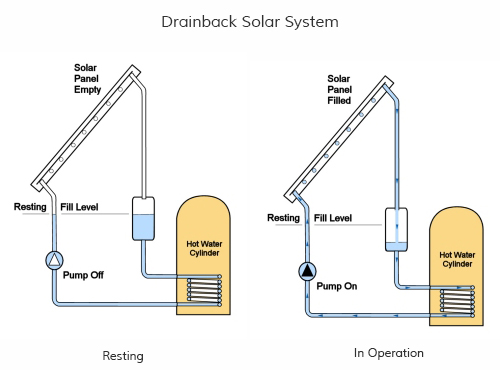
As the world shifts towards renewable energy sources, solar thermal collectors have become an increasingly important part of the equation. But what makes a solar thermal collector truly effective? The answer lies in the technology behind it, specifically the use of a drain back system.
What is a Drain Back System?
A drain back system is a method used to remove excess fluid from a solar thermal collector, ensuring that the system operates efficiently and effectively. By harnessing the power of gravity, this system allows for the automatic removal of fluid from the collector, eliminating the risk of overheating or freezing.
The Benefits of a Solar Thermal Collector with Drain Back
So, what are the benefits of using a solar thermal collector with drain back? Let’s dive into the advantages of this technology:
Reduced Risk of Overheating and Freezing
Traditional solar thermal collectors can be prone to overheating or freezing, which can lead to costly repairs and maintenance. A drain back system eliminates these risks by automatically removing excess fluid from the collector.
Increased Efficiency and Longevity
By reducing the risk of overheating and freezing, a drain back system also increases the efficiency and longevity of the solar thermal collector. This means that you’ll get more energy out of your system over time.
Reduced Maintenance Costs
With a drain back system, you’ll spend less time and money on maintenance and repairs. The system automatically removes excess fluid, reducing the risk of clogs and other issues.
Improved Corrosion Resistance
A drain back system also helps to reduce corrosion within the collector. By removing excess fluid, the system prevents the formation of acidic compounds that can damage components over time.
Reduced Energy Losses
One of the biggest advantages of a drain back system is its ability to reduce energy losses during the night. When the sun goes down, the system automatically removes excess fluid from the collector, reducing the need for backup power or energy storage.
How Does a Drain Back System Work?
So, how does a drain back system actually work? The process is relatively simple:
- Fluid Circulation: During the day, the fluid in the collector circulates and warms up.
- Gravity Takes Over: As the sun sets, gravity takes over, causing the fluid to flow out of the collector and into a storage tank.
- Removal of Excess Fluid: The system automatically removes excess fluid from the collector, ensuring that it doesn’t accumulate and cause problems.
What Are the Drawbacks of a Drain Back System?
While drain back systems offer many benefits, there are some potential drawbacks to consider:
- Higher Upfront Costs: Drain back systems can be more expensive than traditional solar thermal collectors.
- Complexity: The system requires more complex components and plumbing, which can make it more difficult to install and maintain.
Design Considerations for a Solar Thermal Collector with Drain Back
When designing a solar thermal collector with drain back, there are several factors to consider:
- System Size: The size of the system will depend on your energy needs and the amount of sunlight available.
- Collector Type: There are various types of collectors available, including flat plate, evacuated tube, and concentrating collectors. Each type has its own advantages and disadvantages.
- Storage Tank Size: The size of the storage tank will depend on the amount of fluid needed to cool the collector during the night.
- Drain Back Valve: The drain back valve is critical to ensuring that excess fluid is removed from the collector efficiently.
Types of Solar Thermal Collectors with Drain Back
There are several types of solar thermal collectors available, each with its own advantages and disadvantages:
- Flat Plate Collectors: Flat plate collectors are one of the most common types of collectors used in solar thermal systems.
- Evacuated Tube Collectors: Evacuated tube collectors are a type of collector that uses evacuated tubes to collect solar radiation.
- Concentrating Collectors: Concentrating collectors use lenses or mirrors to focus sunlight onto a receiver, increasing the temperature and efficiency of the system.
Best Practices for Installing and Maintaining a Solar Thermal Collector with Drain Back
To ensure that your solar thermal collector with drain back operates efficiently and effectively, follow these best practices:
- Regular Maintenance: Regular maintenance is crucial to ensuring that your system operates efficiently and effectively.
- Drain Back Valve Maintenance: The drain back valve should be inspected regularly to ensure that it is functioning correctly.
- Fluid Level Monitoring: The fluid level in the collector should be monitored regularly to ensure that it is within the recommended range.
- System Inspection: The system should be inspected regularly to identify any potential issues or problems.
Conclusion
A solar thermal collector with drain back is a game-changer for renewable energy systems. By reducing the risk of overheating and freezing, increasing efficiency and longevity, reducing maintenance costs, improving corrosion resistance, and reducing energy losses, this technology offers many benefits for homeowners and businesses alike. While there are some potential drawbacks to consider, the advantages of a drain back system make it an attractive option for those looking to upgrade their solar thermal collector.
Frequently Asked Questions
- Q: What is the difference between a drain back system and a traditional solar thermal collector?
A: A drain back system uses gravity to automatically remove excess fluid from the collector, whereas traditional systems rely on pumps to circulate fluid. - Q: How long does it take for a drain back system to pay for itself in terms of energy savings?
A: The payback period for a drain back system can vary depending on several factors, including the size of the system and the amount of energy saved. - Q: Are drain back systems suitable for all types of solar thermal collectors?
A: Not all solar thermal collectors are compatible with drain back systems. It’s essential to consult with a professional to determine if a drain back system is right for your specific needs. - Q: Can I install a drain back system myself, or do I need professional assistance?
A: While it’s possible to install a drain back system yourself, it’s recommended that you hire a professional to ensure that the installation is done correctly and safely. - Q: How often do I need to check and maintain my drain back system?
A: Regular maintenance is crucial to ensuring that your system operates efficiently and effectively. We recommend checking and maintaining your system at least once a year, or as needed. - Q: Can I use a drain back system with other renewable energy systems, such as solar panels or wind turbines?
A: Yes, a drain back system can be used in conjunction with other renewable energy systems to create a comprehensive and efficient energy solution.
By understanding the benefits and drawbacks of a solar thermal collector with drain back, you’ll be better equipped to make an informed decision about whether this technology is right for your specific needs.


