
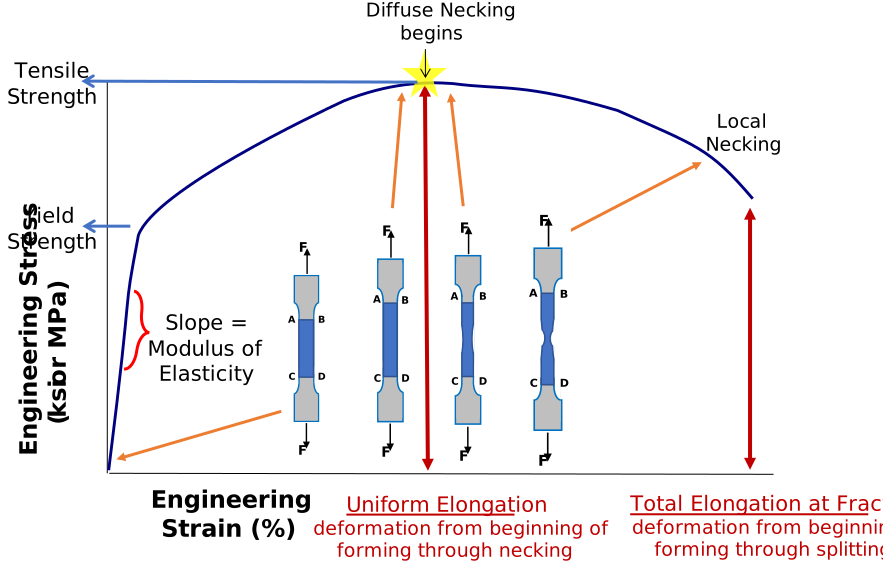
What is Elongation?
Elongation is a term that can be understood in different ways, depending on the context. In general, it refers to an excessive stretching or lengthening of a muscle, tendon, or ligament. This condition can occur due to various reasons, such as muscle fatigue, poor warm-up, or inadequate preparation for physical activities.
Elongation and Its Effects
When an elongation occurs, it causes sudden pain and spasms in the affected area. While it may not be severe enough to prevent daily activities, it’s essential to address the issue promptly to avoid further complications. Resting the affected muscle is usually recommended to allow for healing and gradual recovery.
The Causes of Elongation
Several factors can contribute to elongation:
- Insufficient warm-up or preparation
- Brusque movements or violent exercises
- Postural imbalances or poor coordination
- Muscle strain or overuse
Elongation in the Biceps
One common area affected by elongation is the biceps muscle. The biceps are prone to injury due to their high usage and stress. When an elongation occurs, it can lead to pain, swelling, and stiffness.
Understanding Elongation: A Physiological Perspective
Muscles have receptors that transmit information about their condition to the nervous system. During an elongation, these receptors can become activated, leading to muscle spasms and discomfort. Resting the affected muscle and gradually returning to physical activities can help alleviate symptoms.
Elongation in Astronomy
In astronomy, elongation refers to the angle between a celestial body (like a planet or comet) and the Sun as viewed from Earth. The maximum elongation of a planet occurs when it is at its greatest distance from the Sun on either side of its orbit.
- Mercury’s Elongation: Mercury’s maximum elongation east occurs between 18° and 28°, while its maximum elongation west occurs between 45° and 47°.
- Venus’ Elongation: Venus’s maximum elongation east occurs between 45° and 47°, while its maximum elongation west occurs between 67.5° and 69.5°.
The Changing Elongations of Planets
The elongations of planets vary over time due to their elliptical orbits. For example:
- Venere’s 2009 Maximum Elongation: On January 14, 2009, Venus had its maximum elongation east at 12:00 UTC.
- Mercurio’ s maximum elongation: The maximum elongation of Mercury occurred on January 4, 2018, and again on August 24, 2023.
Common Misconceptions About Elongation
There are several misconceptions about elongation that can lead to confusion:
- Elongation is always painful: While pain is a common symptom of elongation, not all cases are severe enough to be painful.
- Elongation only occurs in young athletes: Anyone can experience elongation due to various factors such as age, physical activity level, or genetics.
- Elongation is an acute injury: While elongation can be an acute injury, it may also be a chronic condition that requires ongoing management.
Prevention and Treatment of Elongation
To prevent elongation, individuals should:
- Warm up properly before physical activities
- Engage in regular stretching exercises to improve flexibility
- Maintain good posture to reduce muscle strain
- Listen to their bodies and take regular breaks during exercise
Treatment for elongation typically involves:
- Resting the affected muscle: To allow for healing and gradual recovery.
- Gradually returning to physical activities: With a focus on low-intensity exercises that avoid exacerbating the condition.
- Applying heat or cold packs: To relieve pain and reduce inflammation.
- Using compression bandages or wraps: To provide support and stability to the affected area.
Elongation in Sports
Elongation can be a significant issue for athletes across various sports:
- Football players: Elongation of the biceps and shoulders is common due to repetitive movements and quick changes of direction.
- Golfers: Elongation of the back and shoulders is frequent, especially during long drives or powerful swings.
- Swimmers: Elongation of the shoulder joint and surrounding muscles can occur due to repetitive strokes and arm movements.
The Role of Genetics in Elongation
Research suggests that genetics may play a role in elongation:
- Muscle fiber type: People with fast-twitch muscle fibers are more prone to elongation due to their high contraction force.
- Joint structure: Individuals with certain joint structures, such as the shoulder or elbow, may be more susceptible to elongation.
Understanding Elongation: A Holistic Perspective
Elongation is not just a physical condition; it can also have psychological and emotional implications:
- Fear of injury: The fear of elongation can lead to anxiety and stress, which can exacerbate the condition.
- Performance impact: Elongation can affect athletic performance by reducing strength, power, and endurance.
Conclusion
Elongation is a multifaceted condition that affects various aspects of our lives, from physical health to mental well-being. By understanding its causes, effects, and physiological implications, individuals can take preventive measures and seek proper treatment when needed. This comprehensive guide aims to provide readers with a deeper appreciation for the intricate relationships between our bodies and the universe around us.
Frequently Asked Questions
- What is elongation?
Elongation refers to an excessive stretching or lengthening of a muscle, tendon, or ligament. - Why does elongation occur?
Elongation can be caused by factors such as muscle fatigue, poor warm-up, or inadequate preparation for physical activities. - How is elongation treated?
Resting the affected muscle and gradually returning to physical activities are usually recommended to alleviate symptoms. - What is the difference between elongation and strain?
Elongation refers to an excessive stretching of a muscle, tendon, or ligament, while strain refers to micro-tears in the muscle tissue. - How can I prevent elongation?
Practicing regular warm-ups, engaging in proper training techniques, and maintaining good posture can help reduce the risk of elongation.
Stay informed about the latest scientific discoveries and explore the fascinating world of elongation!


