
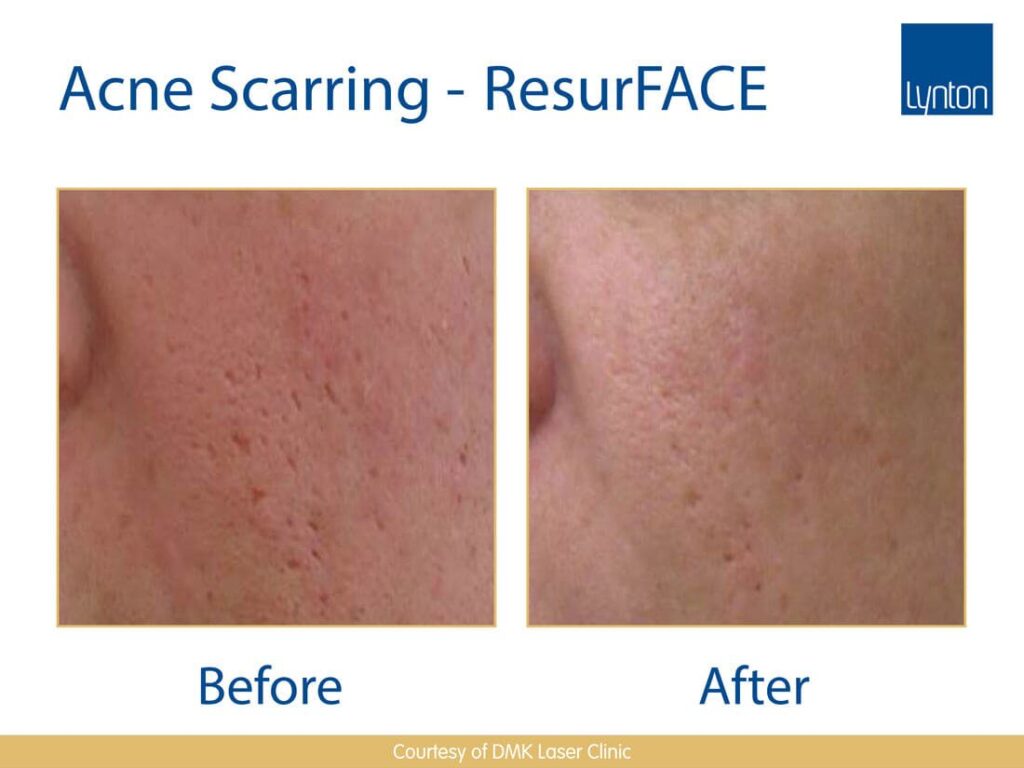
Removing scars is a daunting task, but it’s not impossible. Whether you have acne scars, surgical scars, or cuts, the good news is that there are effective treatments available to help make them disappear.
Contents
- Natural Remedies and Creams
- Acne Scars: When Creams Are Enough
- Types of Scars
- Removing Scars
- Laser Treatment
Natural Remedies and Creams
If you think that creams can eliminate scars, your assumption is quite unrealistic. Whether it’s acne scars or surgical scars, more than just a simple cream is needed to remove them completely. While creams may help promote healing, reduce the appearance of scars, and make them less noticeable, they cannot eliminate them entirely.
Instead, let’s explore some definitive remedies for removing scars. Unfortunately, this means we won’t be discussing creams, DIY treatments, or natural remedies that can only partially alleviate symptoms.
Acne Scars: When Creams Are Enough
It’s easy to refer to “acne scars” or “acne blemishes,” but it’s essential to differentiate between actual acne scars and superficial lesions caused by acne. In most cases, these lesions are temporary and will heal on their own with time.
However, when dealing with acne scars, creams can be a helpful first step in reducing their appearance. These creams can help prevent or minimize the development of new acne lesions and promote healing.
Types of Scars
Scar types refer to the shape, size, and location of the scar. There are several categories:
- Surgical scars: Caused by incisions made during surgery
- Cutaneous scars: Caused by cuts, lacerations, or abrasions
- Hypertrophic scars: Raised and red scars that can be itchy and painful
- Keloid scars: Thick, raised scars that can be itchy and painful
Removing Scars
There are several ways to remove scars, depending on their type and location. Here are some options:
- Laser treatment: A popular method for removing acne and surgical scars.
- Chirurgia plastica: Surgical procedures that can improve the appearance of scars.
Laser Treatment
Lasers are a highly effective way to remove acne and surgical scars. They work by targeting the pigment in the scar tissue, breaking it down, and promoting new collagen growth.
Here are some benefits of laser treatment:
- Promotes healing and reduces inflammation: Laser treatments can help reduce redness and swelling associated with scars.
- Reduces the appearance of scars: By breaking down scar tissue, lasers can make scars less noticeable.
- Improves skin texture and tone: Regular laser treatments can help improve skin elasticity and texture.
Will Scars Completely Disappear?
While laser treatment can significantly improve the appearance of scars, they may not completely disappear. In some cases, scars can become less noticeable over time, but they may still be visible.
If you’re considering laser treatment for your scars, it’s essential to consult with a dermatologist or plastic surgeon to determine the best course of action.
Frequently Asked Questions
- Can I remove my own scars?
No, it’s not recommended to attempt to remove your own scars. Laser treatments and other medical procedures should only be performed by qualified professionals. - How long does laser treatment take?
The duration of laser treatment varies depending on the size and location of the scar. On average, treatments last between 20-30 minutes per session. - Will I need multiple sessions for optimal results?
Yes, multiple sessions may be necessary to achieve optimal results. Your dermatologist or plastic surgeon will determine the best treatment plan for your individual needs. - Are laser treatments safe?
While laser treatments are generally considered safe, there can be some side effects, such as redness, swelling, and temporary scarring. Make sure to follow post-treatment instructions carefully to minimize these risks. - Can I combine laser treatment with other therapies for optimal results?
Yes, combining laser treatment with other therapies, such as chemical peels or microdermabrasion, can enhance the effectiveness of the treatment and improve overall skin health.
Consulting a professional dermatologist or plastic surgeon will help you determine if laser treatment is right for your scar.


