
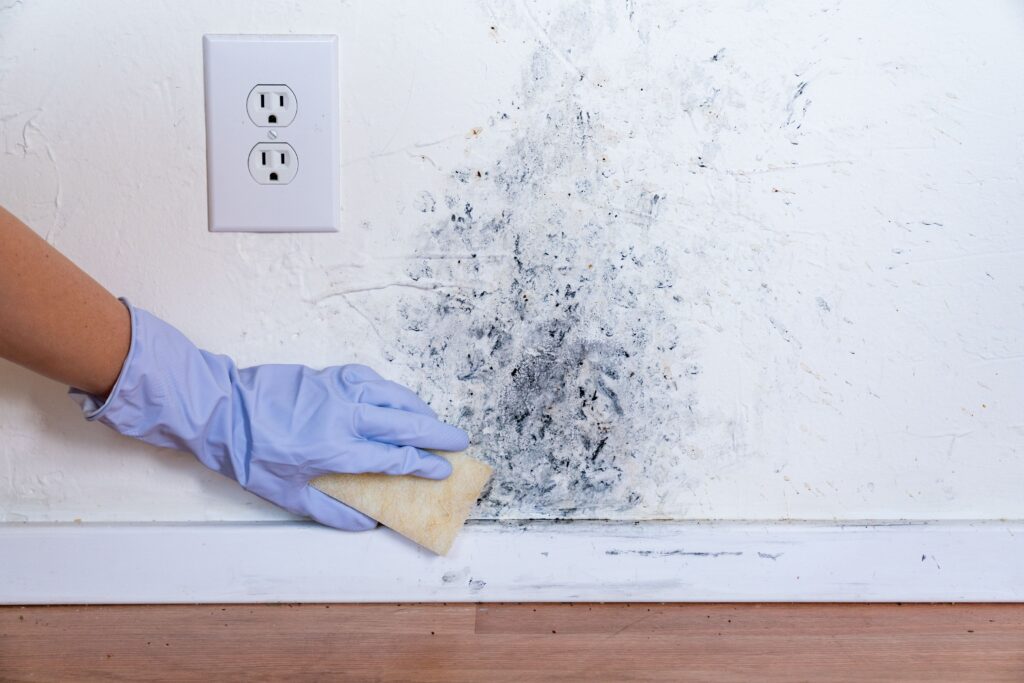
Mould on walls is often the direct result of excess moisture. Condensation on walls, humidity rise, thermal bridges, and poor habits all increase the risk of mould formation on walls. If you spot the first signs of mould on your walls, act quickly! However, it’s essential to address the root causes of mould growth rather than just treating the symptoms.
Mould is a microorganism that appears on walls as grey, green, or white patches. Once you’ve eliminated mould from walls, if it reappears, we recommend using a dehumidifying plaster, breathable paint, and regular checks on the health of your walls.
Understanding Mould Growth
Before diving into prevention methods and natural remedies, it’s essential to understand how mould grows. Mould thrives in damp environments with limited ventilation. In these conditions, microorganisms can multiply rapidly, causing damage to surfaces and potentially affecting indoor air quality.
To prevent mould growth, you must tackle humidity. Here are some simple rules to follow:
- Avoid growing plants indoors, as excessive watering will only increase humidity.
- After showering or bathing, open windows to dry surfaces, ensuring good ventilation.
- Don’t dry clothes indoors, as this can also lead to increased humidity.
- When cooking, use your kitchen fan to remove heat and moisture from the air.
- If you’re painting your home, choose a thermal paint with lime base to avoid creating an environment conducive to mould growth.
In addition to these general tips, consider using DIY dehumidifiers or hiring professionals for energy audits to identify potential mould growth. Regularly inspecting your walls for signs of moisture and addressing any issues promptly can also help prevent mould from taking hold.
Prevention is Key
Preventing mould growth is often more effective than treating it after the fact. By identifying and addressing humidity-related issues, you can significantly reduce the risk of mould formation on your walls.
Some common causes of humidity include:
- Poor insulation
- Gaps in windows and doors
- Leaks in pipes and roofs
- High levels of air pollution
To combat these issues, consider the following measures:
- Insulate your home with materials like foam or fiberglass
- Seal gaps in windows and doors with weatherstripping or caulk
- Repair leaks promptly to prevent water damage
- Install a whole-house fan or air purifier to improve ventilation
Eliminating Mould from Walls: Natural Remedies
If you’ve identified mould growth on your walls, it’s time to take action. While chemical-based mould removers can be effective, they often come with health risks and environmental concerns.
Fortunately, there are natural remedies that can help eliminate mould from your walls without causing harm:
-
Oxygenated Water: This method uses high-concentration oxygenated water (30-40 volumes) to kill mould spores. Mix the oxygenated water with a solution of baking soda, salt, and bicarbonate for an effective mould remover spray.
-
Baking Soda and Vinegar Spray: A mixture of equal parts baking soda and vinegar can create a paste that effectively kills mould. Apply it to the affected area, let it sit for 15-20 minutes, and then scrub it off with a soft-bristled brush.
-
Hydrogen Peroxide Solution: Mix hydrogen peroxide (30-40% concentration) with water to create a solution that can kill mould spores.
-
Tea Tree Oil: This essential oil has antifungal properties, making it an effective natural remedy for mould growth.
-
Cedar Wood Chips: Cedar wood chips have been shown to repel insects and fungi, making them a great addition to your mould-fighting arsenal.
Commercial Mould Removers
If you’re not comfortable with the DIY approach or if the problem persists after using natural remedies, consider using commercial mould removers. Some popular options include:
- Elimina Mould Spray: This spray is effective in removing mould and preventing its return. Simply apply it 2-3 times within a 30-minute interval to see the full effects.
- Ariasana Smuffer: With a light lemon scent, this liquid can eliminate mould in no time. It’s also effective against algae, mosses, and other microorganisms that spread through spores.
The large 1-liter bottle of Elimina Mould Spray costs $12.39, including shipping on Amazon. The smaller 500ml bottle of Ariasana Smuffer is available for $17.18, with delivery included.
Frequently Asked Questions
Q: How often should I clean my walls to prevent mould growth?
A: Regular cleaning and maintenance are crucial in preventing mould growth from forming in the first place.
Q: Can I use a hair dryer to dry wet spots on my walls?
A: No, using a hair dryer to dry wet areas can actually spread spores, creating new colonies of mould.
Q: How long does it take for mould remover sprays to work their magic?
A: Depending on the product and surface type, the effectiveness of mould remover sprays may vary.
Q: What are some common types of mould that grow in homes?
A: The most common types include Aspergillus, Penicillium, and Fusarium.
Q: Can I use bleach to remove mould from my walls?
A: While bleach can be effective against mildew, it’s not suitable for removing all types of mould.
Q: How do I choose the best mould remover spray for my needs?
A: Look for products that are specifically designed to eliminate mould and prevent its return.
Q: Can I use a dehumidifier to reduce humidity in my home?
A: Yes, using a dehumidifier can help maintain a healthy level of humidity in your home.


