
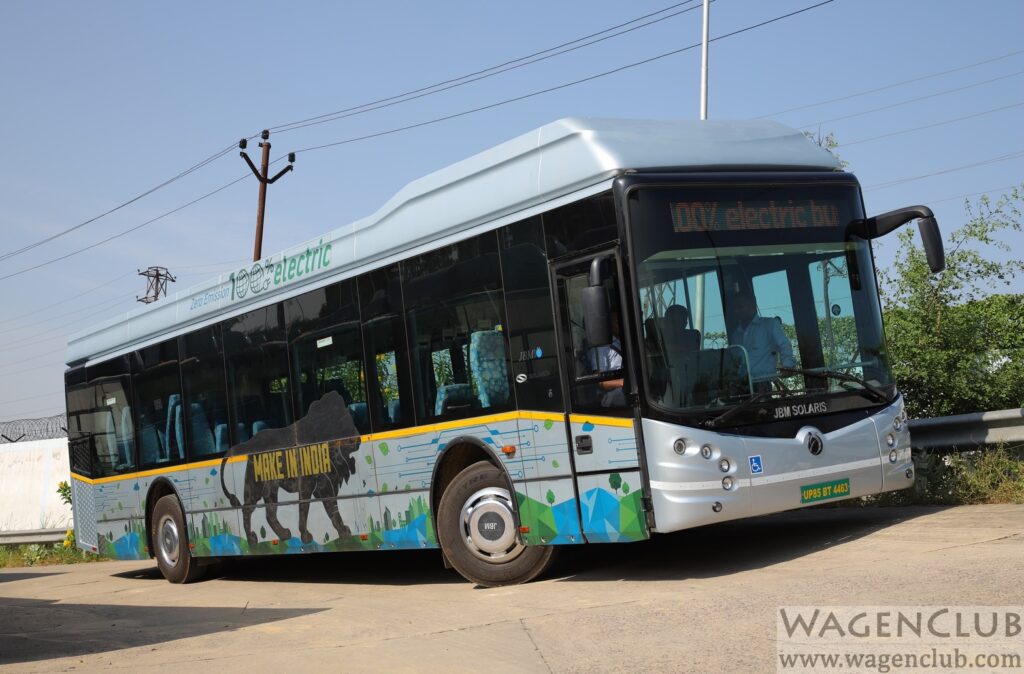
As we navigate the complexities of modern transportation, it’s becoming increasingly clear that traditional methods are no longer sustainable. That’s why companies like ELife are pushing the boundaries of innovation, introducing cutting-edge solutions that prioritize environmental friendliness and efficiency. In this article, we’ll delve into the world of ELife, a pioneering force in the development of electric buses that’s revolutionizing the way we think about transportation.
Meet ELife: The First Electric Bus of its Kind
ELife, a 12-meter long bus, has been making waves since its debut at the Milanese chapter of MobilityTech in October 2012. This groundbreaking vehicle is not only eco-friendly but also competitively priced, with a full load costing a mere 30 euros. But what sets ELife apart from other electric buses on the market?
Performance and Features
ELife boasts impressive performance credentials, reaching speeds of up to 80 km/h while maintaining an autonomy of over 200 kilometers on a single charge. With its advanced climatization system, it’s perfect for both urban and peri-urban routes. The bus can accommodate up to 65 passengers and features a sleek design that turns heads.
Powering the Future: ELife’s Electric Powertrain
ELife is powered by high-performance lithium-ion batteries with a guaranteed lifespan of seven years. This means reduced maintenance costs, which are approximately 30% lower than those of equivalent diesel buses. When compared to hybrid vehicles, ELife’s electric powertrain can offer up to 35-40% more efficiency.
Reducing Inquinamento Acustico
One of the most significant advantages of ELife is its minimal impact on noise pollution. As an electric bus, it produces zero emissions and noise, making it an attractive option for urban areas. However, it’s essential to note that a warning system must be installed to alert pedestrians when the bus is approaching at speeds below 30 km/h.
Beyond Urban Boundaries: ELife’s Peri-Urban Potential
Contrary to popular belief, ELife is not limited to city centers alone. Its autonomy of over 200 kilometers allows for daily charging and makes it an excellent choice for peri-urban routes. Companies like transportation public bodies are eager to adopt ELife, as it offers a much-needed solution to the pressing issue of emissions.
The Market: A Growing Demand
With demand exceeding 20,000 units across Europe, ELife is poised to become an essential part of the sustainable mobility sector. As we look to the future, it’s clear that companies like ELife will play a vital role in shaping the transportation landscape.
Why Electric?
So why did ELife choose to enter the electric bus market? According to the company, it was a chance encounter that led to their involvement in developing this innovative vehicle. However, they’re now committed to exploring other sustainable solutions, including compactors, sweepers, and even ambulances.
The Future of Mobility: A Visionary Approach
ELife’s ambitious plans for sustainability extend beyond buses alone. They aim to develop pensiline photovoltaic systems, illuminations, and USB ports that can charge multiple devices at once. By embracing a holistic approach to sustainable mobility, ELife is revolutionizing the way we think about transportation.
Frequently Asked Questions
- When was ELife’s electric bus first introduced?
ELife’s electric bus was first presented in October 2012. - Where is ELife produced and designed?
ELife is produced and designed in China, with a focus on meeting European standards. - How fast can the bus reach speeds of up to what kilometers per hour?
The bus reaches speeds of up to 80 km/h. - What is the maximum capacity of the bus?
The maximum capacity of the bus is 65 passengers. -
Why did ELife choose electric powertrains?
ELife chose electric powertrains due to reduced maintenance costs and minimal environmental impact. -
How long do the lithium-ion batteries last?
The lithium-ion batteries have a guaranteed lifespan of seven years. -
What are some potential applications for ELife beyond buses?
Some potential applications include compactors, sweepers, ambulances, and even pensiline photovoltaic systems. -
What is the current demand for electric buses in Europe?
The current demand for electric buses in Europe exceeds 20,000 units.
The Benefits of Sustainable Mobility
In an era where sustainability is paramount, companies like ELife are at the forefront of driving change. By adopting electric vehicles and promoting environmentally friendly transportation solutions, we can significantly reduce our carbon footprint and contribute to a cleaner environment.
A Call to Action: Joining Forces for Sustainability
As we move forward into a more sustainable future, it’s essential that all stakeholders join forces to make this vision a reality. Governments, industries, and individuals must work together to create an ecosystem that supports the adoption of electric vehicles and sustainable mobility solutions.
Conclusion
ELife’s innovative approach to transportation has paved the way for a cleaner, greener future. As we continue to navigate the complexities of modern transportation, it’s essential that companies like ELife lead the charge towards a more environmentally friendly tomorrow. By embracing sustainable mobility solutions and working together, we can create a better world for generations to come.
The Future of Electric Buses
As technology continues to advance, electric buses will become increasingly popular in urban areas. With government incentives and decreasing production costs, it’s only a matter of time before electric buses become the norm. Companies like ELife are already taking steps towards mass production, with plans to produce 50 units per month by 2025.
Investing in Sustainability
Investing in sustainable mobility solutions is no longer just an option; it’s a necessity for businesses and governments alike. As the demand for electric vehicles continues to grow, companies must adapt to meet this new reality. By investing in sustainable transportation solutions, we can create a more environmentally friendly future and reduce our reliance on fossil fuels.
The Impact of Sustainability
Sustainability has a profound impact on our environment, economy, and society as a whole. By adopting eco-friendly transportation solutions like electric buses, we can significantly reduce greenhouse gas emissions and contribute to a cleaner environment. This, in turn, will have a positive effect on the economy, with job creation, reduced energy costs, and increased efficiency.
Sustainable Mobility: A Global Perspective
Sustainable mobility is not just an issue for Europe or North America; it’s a global concern that requires international cooperation and collaboration. Companies like ELife are working tirelessly to develop solutions that can be adapted across the globe, with the goal of creating a more sustainable transportation system for all.
The Role of Technology in Sustainable Mobility
Technology plays a vital role in driving change towards sustainable mobility. By developing innovative solutions like electric buses, companies can reduce emissions, improve efficiency, and create a better future for generations to come. As technology continues to advance, we can expect to see even more sustainable transportation solutions emerge.
Conclusion
As we look to the future, it’s clear that sustainability will play an increasingly important role in shaping our transportation landscape. Companies like ELife are leading the charge towards a cleaner, greener tomorrow, and we must join forces to support their efforts. By embracing sustainable mobility solutions and working together, we can create a better world for generations to come.
Appendix: ELife’s Electric Bus Specifications
- Length: 12 meters
- Width: 2.3 meters
- Height: 3.5 meters
- Wheelbase: 6.4 meters
- Seating capacity: Up to 65 passengers
- Top speed: Up to 80 km/h
- Autonomy: Over 200 kilometers on a single charge
- Powertrain: High-performance lithium-ion batteries with a guaranteed lifespan of seven years
Appendix: ELife’s Electric Bus Benefits
- Reduced emissions
- Improved efficiency
- Lower operating costs
- Increased passenger comfort
- Enhanced safety features


