
Introduction
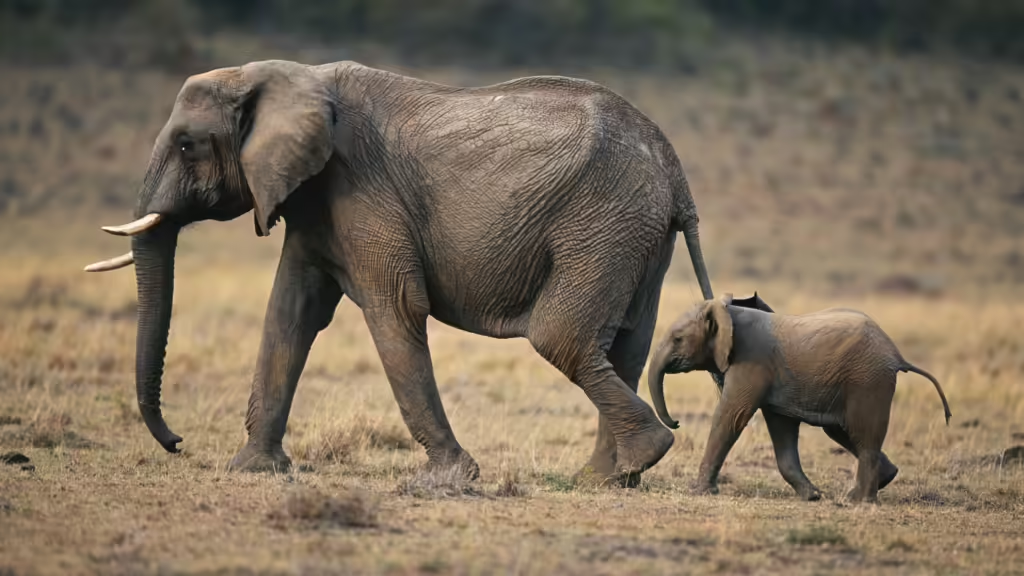
Elephants are known for their large size and complex social behavior, but one aspect of their biology remains fascinating to scientists and animal lovers alike: their pregnancy. How long does it take for an elephant to carry a fetus to term? In this article, we’ll delve into the world of elephant gestation, exploring its duration, uniqueness, and interesting facts about these majestic creatures.
Understanding Elephant Characteristics
Before diving into the specifics of elephant gestation, let’s consider some unique characteristics of these animals. Elephants have relatively small eyes compared to their large ears, which are highly mobile and help with hearing and balance. Their tusks and trunks are iconic features, but did you know that elephants also have a well-developed sense of smell and a somewhat limited visual acuity?
One of the most fascinating aspects of elephant biology is their brain size. Elephants have one of the largest brains among land animals, weighing around 5 kilograms (11 pounds). This massive brain is likely responsible for their advanced social behavior, problem-solving abilities, and complex communication systems.
The Unconventional Parenting Style
Elephants do not follow the traditional monogamous parenting model seen in many other mammals. Males often engage in competitive behavior, including mating with multiple females during their reproductive years. This means that an elephant’s social status is closely tied to its reproductive success.
In fact, male elephants will often leave their herds to mate with multiple females before returning to their natal group or forming bachelor groups. This competitive behavior is thought to be driven by the need for males to establish dominance and secure mating opportunities.
A Complex Social Structure
In the wild, elephants live in matriarchal herds led by older females, who have established dominance through a complex system of communication and cooperation. These matriarchs play a crucial role in guiding their herd members, providing protection, and ensuring the survival of the group.
During the mating season, males will often leave their herds to mate with multiple females before returning to their natal group or forming bachelor groups. This can lead to conflicts between males, particularly if they are competing for access to a particular female.
Gestation Period: A Record-Breaker
So, how long does an elephant pregnancy last? The average gestation period is approximately 21 months (almost two years), although this can vary depending on factors such as the elephant’s species and geographical location. In general, Asian elephants tend to have shorter gestation periods than African elephants.
Research has shown that the longest recorded gestation period for an elephant was observed in a female Asian elephant who gave birth to a calf after a gestation period of 29 months (almost 2 years and 5 months). This highlights the remarkable diversity of elephant reproductive biology and the importance of understanding these differences.
The Body Luteum: A Key Player in Elephant Pregnancy
Research has shown that a hormone called the corpus luteum plays a crucial role in regulating an elephant’s pregnancy. This endocrine gland produces progesterone and helps ensure the development of the fetus during the critical late stages of gestation.
The body luteum is responsible for maintaining the hormonal balance necessary for fetal development, particularly during the final months of gestation. In elephants, this hormone plays a crucial role in supporting the growth and development of the young, allowing them to be born with relatively mature physical characteristics.
Diversity Across Species
Interestingly, the duration of elephant pregnancy varies slightly depending on the species. For example, Indian elephants tend to have shorter gestation periods than African elephants, typically ranging from 18-22 months.
Asian elephants, on the other hand, tend to have gestation periods that are more variable, with some individuals experiencing longer or shorter pregnancies. This highlights the importance of understanding the unique characteristics of each elephant species and their reproductive biology.
Conclusion: The Unique Elephant Pregnancy Experience
In conclusion, elephant pregnancies are truly remarkable for their duration and complexity. From the development of the fetus in the womb to the social dynamics surrounding mating and birth, each aspect of an elephant’s reproductive cycle is fascinating.
By exploring these unique characteristics, we can gain a deeper appreciation for these incredible creatures and the important role they play in maintaining healthy ecosystems around the world.
Frequently Asked Questions (FAQs)
- How long does an elephant pregnancy last?
- The average gestation period is approximately 21 months.
- What causes the body luteum to produce progesterone during pregnancy?
- The corpus luteum produces progesterone in response to hormonal changes during gestation.
- Do all male elephants engage in competitive mating behavior?
- No, not all male elephants are competitive; some may form close bonds with females or adopt a more relaxed approach to reproduction.
- Can elephant pregnancies be affected by environmental factors?
- Research suggests that climate and nutrition can impact an elephant’s reproductive success, although the evidence is still limited.
- How do African elephants differ from Asian elephants in terms of gestation period?
- On average, African elephants have longer gestation periods than Asian elephants, typically ranging from 22-24 months compared to 18-22 months for Asian elephants.
- Can elephant pregnancies be influenced by genetic factors?
- While genetics play a role in determining an individual’s reproductive success, the relationship between genetic predisposition and pregnancy duration is still not well understood.
- Do elephants experience any unique behaviors during gestation?
- Yes, some research suggests that female elephants may exhibit changes in behavior, such as increased docility or social withdrawal, during late stages of pregnancy.
- Can human pregnancy be compared to elephant pregnancy in terms of duration and complexity?
- No, the two pregnancies are quite different; while a human pregnancy lasts approximately 40 weeks (almost 9 months), an elephant’s gestation period is significantly longer and more complex due to their unique reproductive biology.
Additional Resources
For those interested in learning more about elephant reproduction and behavior, we recommend the following resources:
- The Elephant Species: A Comprehensive Guide
- Mating and Breeding in Elephants
- The Role of Female Dominance in Elephant Social Structure
These resources provide a wealth of information on the fascinating world of elephants, including their reproductive biology, social dynamics, and unique characteristics.


