
Introduction
In today’s digital age, businesses are constantly seeking ways to reduce their environmental impact and improve their sustainability. One often overlooked aspect of this quest is the electronic invoice. But how does it contribute to a more sustainable future? In this article, we will explore the benefits of using electronic invoices and how they can help businesses reduce their carbon footprint.
The Benefits of Electronic Invoices
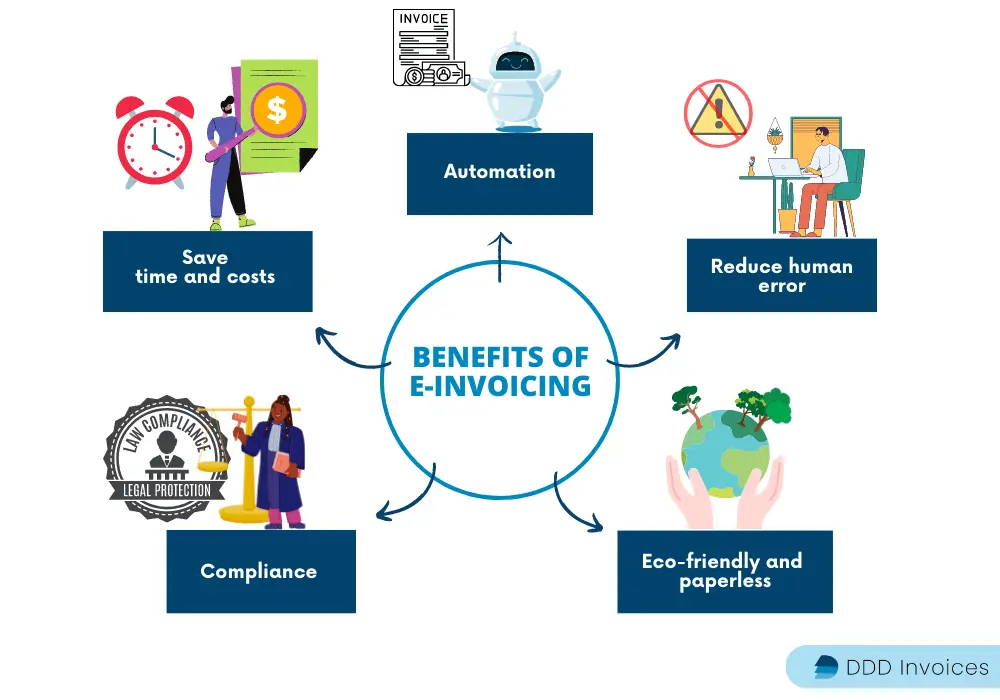
Electronic invoices offer several advantages over traditional paper-based invoices. One of the most significant benefits is that they are more environmentally friendly. By reducing the need for paper, ink, and transportation, electronic invoices can significantly lower a company’s carbon emissions.
But what exactly do we mean by “carbon emissions”? Simply put, carbon emissions refer to the release of greenhouse gases into the atmosphere, primarily due to human activities such as burning fossil fuels and deforestation. By reducing our reliance on paper-based invoicing, businesses can decrease their contribution to these emissions.
The Statistics
A recent study conducted by Ricoh Europe found that companies using electronic invoices spend significantly less than those who use traditional paper-based invoices. In fact, the study estimated a savings of 243 billion euros across Europe.
But what exactly do we mean by “savings”? In this context, it refers to the financial benefits of switching to electronic invoicing. By reducing costs associated with printing, paper, and transportation, businesses can reinvest those savings into more sustainable practices or pass them on to their customers as lower prices.
The Connection to Sustainability
So how does the reduction in paper-based invoicing contribute to sustainability? Well, for one, it reduces the demand for raw materials such as wood pulp and paper. This can lead to deforestation and habitat loss, which are major contributors to greenhouse gas emissions.
Furthermore, electronic invoices often involve more efficient processes and technologies. For example, digital signature systems and online payment platforms can reduce the need for physical storage and transportation of documents.
Real-World Examples
So how is this playing out in real-world scenarios? Ricoh Europe has taken steps to reduce its own environmental impact by switching to electronic invoicing. As a result, they have seen significant cost savings (over 1 billion euros) and reduced emissions (45,000 tons of CO2).
But that’s not all – they’ve also implemented other sustainable practices, such as an eco-monthly campaign that encourages employees to reduce their own environmental impact.
The Future of Sustainability
As we look to the future, it’s clear that electronic invoicing is just one piece of a larger puzzle. Businesses are increasingly adopting digital transformation strategies that prioritize sustainability and efficiency.
By embracing technologies such as iWorker, which enables remote work and access to real-time information, companies can smaterialize their operations and reduce their environmental footprint.
The Role of Data Analytics in Sustainability
Data analytics plays a crucial role in helping businesses understand their environmental impact and identify areas for improvement. By analyzing data on energy consumption, water usage, and waste generation, companies can make informed decisions about how to optimize their operations and reduce their carbon footprint.
In addition, data analytics can help businesses identify opportunities for cost savings and revenue growth through sustainable practices. For example, by using energy-efficient equipment and renewable energy sources, companies can reduce their energy costs and increase their competitiveness in the market.
Challenges and Limitations
While electronic invoicing offers many benefits, there are also challenges and limitations to consider. For one, not all businesses have the necessary infrastructure or technical expertise to implement electronic invoicing. Additionally, there may be concerns about data security and privacy when using digital invoices.
However, these challenges can be overcome with the right solutions and strategies. For example, companies can use secure online platforms to exchange invoices and ensure that sensitive information is protected.
Best Practices for Implementing Electronic Invoices
Implementing electronic invoices requires careful planning and execution. Here are some best practices to keep in mind:
- Conduct a thorough risk assessment: Before implementing electronic invoicing, businesses should conduct a thorough risk assessment to identify potential vulnerabilities and develop strategies to mitigate them.
- Choose the right technology: Businesses should select a reliable and secure online platform that meets their needs and provides the necessary functionality for exchanging invoices.
- Train employees on new processes: Employees will need training on how to use the new system, so businesses should provide comprehensive support and training to ensure a smooth transition.
- Monitor and evaluate performance: Businesses should regularly monitor and evaluate the performance of their electronic invoicing system to identify areas for improvement and optimize operations.
Conclusion
In conclusion, electronic invoices offer a range of benefits for businesses looking to reduce their environmental impact. By switching to digital invoicing, companies can save money, reduce emissions, and contribute to a more sustainable future.
As we continue on our journey towards a more sustainable world, it’s clear that every small step counts. Whether it’s reducing paper usage or adopting digital transformation strategies, we can all play a role in protecting the planet for generations to come.
FAQs
- What are the benefits of using electronic invoices?
Using electronic invoices offers several advantages, including reduced environmental impact, cost savings, and increased efficiency.
2. How does electronic invoicing reduce carbon emissions?
Electronic invoicing reduces carbon emissions by reducing the need for paper, ink, and transportation associated with traditional paper-based invoicing.
3. What is iWorker, and how can it help businesses prioritize sustainability?
iWorker is a digital platform that enables remote work and access to real-time information. By adopting iWorker, companies can smaterialize their operations and reduce their environmental footprint.
4. How much does the European study estimate savings from electronic invoicing?
The study estimates a savings of 243 billion euros across Europe for companies using electronic invoices.
5. What is the connection between electronic invoicing and sustainability?
Electronic invoicing reduces the demand for raw materials such as wood pulp and paper, leading to deforestation and habitat loss, which are major contributors to greenhouse gas emissions.
6. How can businesses implement sustainable practices beyond electronic invoicing?
Businesses can implement other sustainable practices, such as energy-efficient lighting and renewable energy sources, to further reduce their environmental impact.
7. What is the role of data analytics in sustainability?
Data analytics plays a crucial role in helping businesses understand their environmental impact and identify areas for improvement. By analyzing data on energy consumption, water usage, and waste generation, companies can make informed decisions about how to optimize their operations and reduce their carbon footprint.
8. How can individuals support businesses that prioritize sustainability?
Individuals can support businesses by choosing products from environmentally responsible companies and promoting sustainable practices in their own lives.


