
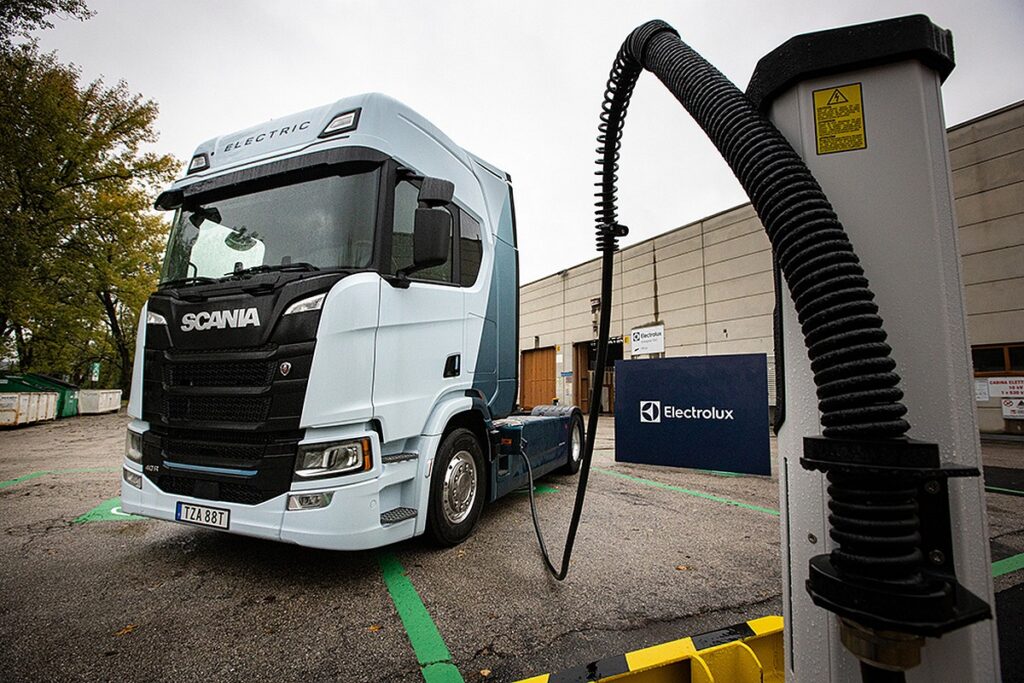
In a significant step towards a more sustainable future, Electrolux has launched the first fast charging station for electric trucks (e-trucks) in Italy. Located at the company’s Susegana factory site, this innovative infrastructure is part of Electrolux’s strategy to reduce its carbon footprint and utilize 100% renewable energy. In this article, we’ll delve into the details of this pioneering project and explore its potential impact on the transportation sector.
The Challenge: Electrifying Logistics
As the world transitions towards a low-carbon economy, the logistics sector is under increasing pressure to adopt sustainable practices. Electric trucks offer a promising solution, but their limited range and charging infrastructure pose significant challenges. The lack of fast charging stations, in particular, hinders the widespread adoption of e-trucks.
Electrolux’s Solution: A Fast Charging Station
To address this challenge, Electrolux has developed a fast charging station that can recharge an e-truck’s battery in just 90 minutes. This state-of-the-art infrastructure features two power stations with variable output between 240 and 300 kW, with plans to expand to four stations and 400 kW capacity.
A Game-Changer for Logistics
This fast charging station is poised to revolutionize the logistics sector by enabling e-trucks to travel longer distances without needing to stop for recharging. With a range of up to 200 miles on a single charge, e-trucks can now play a more significant role in reducing greenhouse gas emissions.
The Benefits: Reduced Emissions and Lower Operating Costs
By switching to fast charging stations like the one launched by Electrolux, logistics companies can significantly reduce their carbon footprint. According to estimates, this new technology could save over 55 tons of CO2 per year. Additionally, e-trucks offer lower operating costs compared to traditional diesel trucks.
Why Susegana?
The Susegana factory site was chosen for this project due to its strategic location, central to major suppliers and transportation hubs. This proximity enables efficient distribution and collection of goods, reducing transportation times and costs.
Electrolux’s Commitment to Sustainability
This innovative project underscores Electrolux’s commitment to sustainable logistics practices. By investing in fast charging stations, the company is paving the way for a more environmentally friendly future.
The Future of Logistics: Electric Trucks and Fast Charging Stations
As the world continues to transition towards a low-carbon economy, electric trucks and fast charging stations will play an increasingly vital role in reducing emissions and promoting sustainable practices. With innovations like these, logistics companies can now reap the benefits of e-trucks without being limited by range anxiety.
Challenges and Opportunities
While the launch of this fast charging station marks a significant milestone, there are still challenges to overcome. For instance, expanding the network of fast charging stations will require significant investment and planning. However, these challenges also present opportunities for innovation and growth in the sustainable logistics sector.
The Role of Government Support
Government support is crucial in facilitating the adoption of e-trucks and fast charging stations. Governments can offer incentives such as tax breaks, subsidies, or streamlined permitting processes to encourage companies to invest in sustainable infrastructure.
Industry Collaboration
Industry collaboration is also essential in promoting the widespread adoption of e-trucks and fast charging stations. Companies need to work together to share best practices, develop common standards, and drive innovation in this sector.
The Impact on Supply Chains
This innovative project will have a significant impact on supply chains, enabling companies to reduce transportation times, lower costs, and increase efficiency. By investing in e-trucks and fast charging stations, logistics companies can improve their sustainability credentials while also driving business growth.
Conclusion
Electrolux’s launch of the first fast charging station for e-trucks marks a significant milestone in the journey towards a more sustainable transportation sector. By investing in this innovative technology, Electrolux is not only reducing its carbon footprint but also setting an example for other companies to follow.
Frequently Asked Questions (FAQs)
- What is the purpose of the fast charging station launched by Electrolux?
The fast charging station aims to reduce emissions and promote sustainable logistics practices by enabling e-trucks to travel longer distances without needing to stop for recharging.
- How long does it take to recharge an e-truck’s battery at the new fast charging station?
Recharging a fully depleted battery takes approximately 90 minutes using the two power stations with variable output between 240 and 300 kW.
- What are the benefits of switching to fast charging stations for logistics companies?
Switching to fast charging stations can significantly reduce carbon emissions, operating costs, and transportation times, making it an attractive solution for logistics companies looking to adopt sustainable practices.
- Why did Electrolux choose the Susegana factory site for this project?
The Susegana site was chosen due to its strategic location, central to major suppliers and transportation hubs, enabling efficient distribution and collection of goods.
- What is the estimated carbon savings per year by using fast charging stations like the one launched by Electrolux?
According to estimates, this new technology could save over 55 tons of CO2 per year.
- How does fast charging compare to traditional diesel trucks in terms of operating costs?
E-trucks offer lower operating costs compared to traditional diesel trucks due to reduced fuel consumption and maintenance requirements.
- What role will fast charging stations play in the future of logistics?
Fast charging stations will play a vital role in enabling e-trucks to travel longer distances, promoting sustainable practices, and reducing greenhouse gas emissions in the transportation sector.
- How does this project align with Electrolux’s overall sustainability strategy?
This project is part of Electrolux’s broader commitment to sustainable logistics practices, aiming to reduce its carbon footprint and utilize 100% renewable energy in its operations.
- What are the potential challenges and opportunities arising from the adoption of e-trucks and fast charging stations?
The adoption of e-trucks and fast charging stations presents both challenges and opportunities, including expanding network coverage, reducing emissions, and improving supply chain efficiency.
- How can governments support the adoption of e-trucks and fast charging stations?
Governments can offer incentives such as tax breaks, subsidies, or streamlined permitting processes to encourage companies to invest in sustainable infrastructure and promote the widespread adoption of e-trucks and fast charging stations.


