
Lightning strikes can be fatal, and it’s essential to understand the risks and how to respond in case of an emergency. In this article, we’ll delve into the world of lightning strikes, exploring their causes, effects, and first aid.
What is a Lightning Strike?
A lightning strike refers to the passage of a massive electrical discharge through the body, often causing severe injuries or even death. This phenomenon can occur during thunderstorms, and it’s essential to know how to recognize the signs and respond accordingly.
Distinguishing Between Lightning Strikes and Electrical Shock
While both lightning strikes and electrical shock can cause harm, they have distinct characteristics. Lightning strikes are usually caused by a direct connection between the body and the ground or an object in contact with the ground. Electrical shock, on the other hand, occurs when there’s an unintended path for electricity to flow through the body.
Types of Lightning Strikes
There are several types of lightning strikes, including:
- Direct Strike: The most common type of lightning strike, where the electrical discharge directly connects the body to the ground or an object in contact with it.
- Indirect Strike: A less direct connection between the body and the ground or an object, often caused by a surge of electricity that passes through the air.
- Ground Current: A type of lightning strike where the electrical discharge flows through the ground.
Effects of Lightning Strikes
Lightning strikes can cause severe injuries, including:
- Cardiac Arrest: The electrical discharge can disrupt heart function, leading to cardiac arrest.
- Respiratory Failure: The strike can also damage lung tissue and lead to respiratory failure.
- Muscle Spasms: The electrical discharge can cause muscle spasms, making it difficult for the person to move or breathe.
- Neurological Damage: Lightning strikes can cause neurological damage, leading to numbness, weakness, or paralysis.
First Aid for Lightning Strike Victims
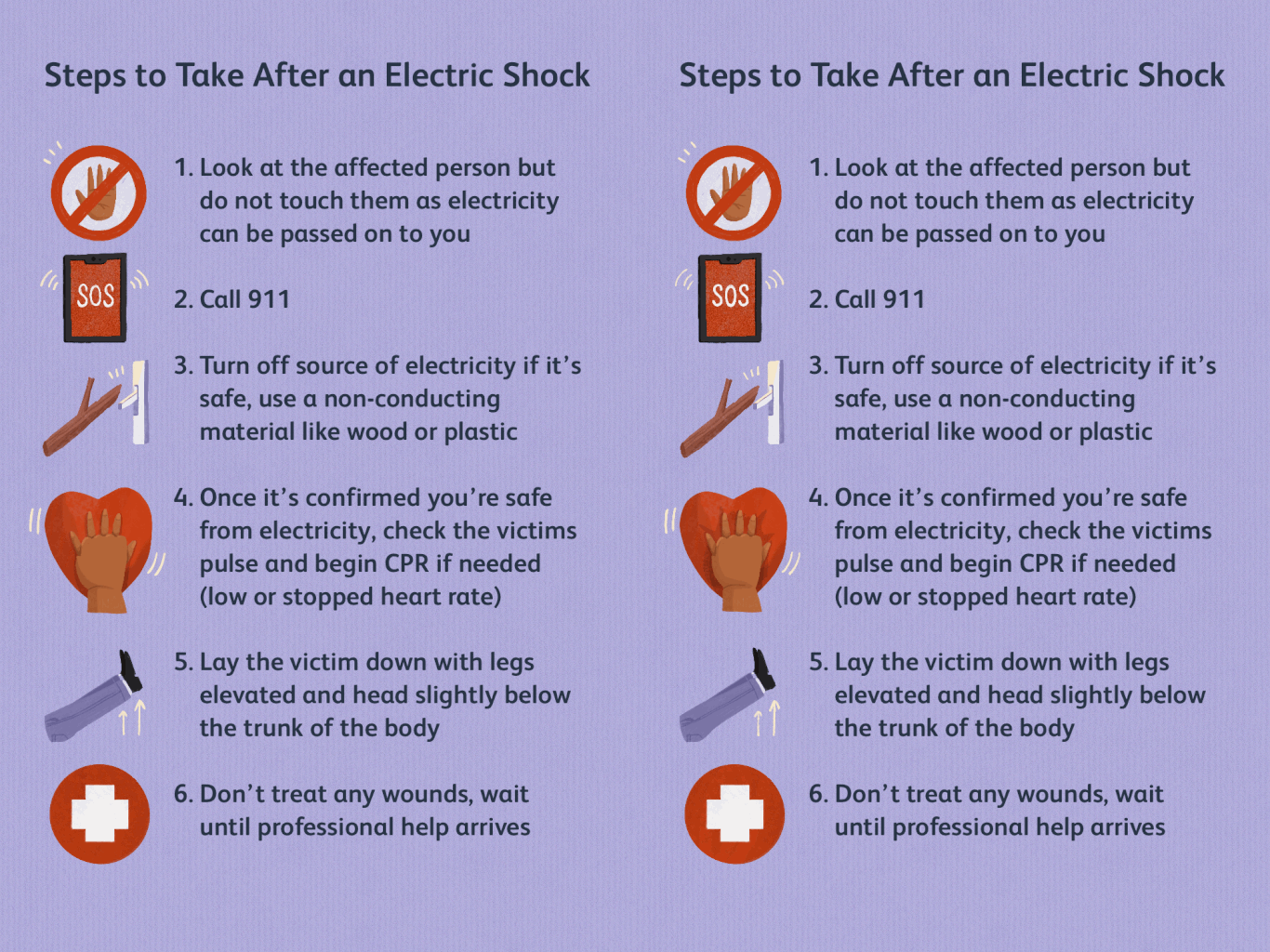
If you’re in a situation where someone has been struck by lightning, follow these steps:
- Ensure Safety: Move away from the affected person and any electrical sources.
- Check for Breathing: Check if the person is breathing and responsive.
- Administer CPR: If the person is not breathing, start CPR immediately.
- Call for Medical Help: Call emergency services and provide as much information as possible about the incident.
Preventing Lightning Strikes
While it’s impossible to completely eliminate the risk of lightning strikes, there are steps you can take to minimize your chances:
- Monitor Weather Reports: Keep an eye on local weather forecasts and sign up for emergency alerts.
- Avoid Thunderstorms: If possible, avoid traveling during thunderstorms or taking shelter in open areas.
- Stay Informed: Learn about lightning safety and share this knowledge with others.
Frequently Asked Questions
- What is the most common cause of lightning strikes?
- Lightning strikes are often caused by direct connections between the body and the ground or an object in contact with it.
- How can I prevent electrical shock?
- To prevent electrical shock, avoid using electrical appliances near water, keep cords away from heat sources, and ensure that all electrical equipment is properly installed and maintained.
- What should I do if someone has been struck by lightning?
- If you encounter someone who has been struck by lightning, ensure their safety by moving them to a secure location, checking for breathing and responsiveness, administering CPR if necessary, and calling emergency services.
Additional Safety Measures
In addition to understanding the causes, effects, and first aid for lightning strikes, there are other safety measures you can take:
- Install Lightning Protection Systems: Consider installing lightning protection systems in your home or business.
- Use Grounding Strips: Use grounding strips on electrical appliances and equipment to prevent electrical shock.
- Stay Informed About Local Weather Conditions: Keep an eye on local weather forecasts and sign up for emergency alerts.
By understanding the causes, effects, and first aid for lightning strikes, you can minimize your risk of being affected and provide assistance when needed.


