
Introduction
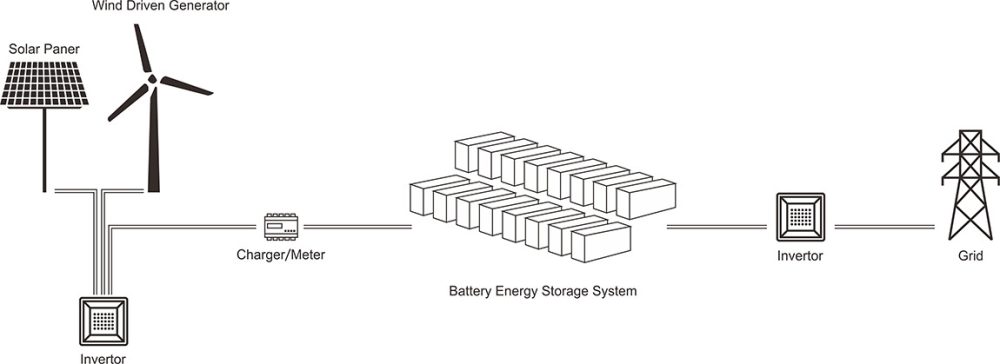
As the world shifts towards renewable energy sources, the need for efficient energy storage systems has become increasingly crucial. Energy storage systems, also known as batteries, can help store excess energy generated by solar panels or wind turbines and supply it back to the grid when needed. In this article, we will explore the different types of energy storage systems, their advantages, and various models available in the market.
What are Energy Storage Systems?
Energy storage systems are designed to store excess energy generated by renewable sources, such as solar panels or wind turbines, for later use. These systems consist of batteries that can be charged during periods of high energy production and discharged when energy is needed. The stored energy can then be used to power homes, businesses, or even entire communities.
Advantages of Energy Storage Systems
- Autonomy: Energy storage systems provide autonomy by allowing individuals or organizations to generate their own energy and store it for later use.
- Renewable Energy Source: These systems enable the efficient use of renewable energy sources, reducing dependence on fossil fuels and lowering greenhouse gas emissions.
- Energy Efficiency: By storing excess energy, energy storage systems can reduce energy waste and optimize energy consumption.
Types of Energy Storage Systems
There are several types of energy storage systems available in the market, each with its own unique characteristics and advantages.
1. Battery-based Energy Storage Systems
Battery-based energy storage systems use lithium-ion batteries or other technologies to store excess energy. These systems are popular among homeowners and businesses due to their high efficiency and reliability.
2. Pumped Hydro Storage (PHS)
Pumped hydro storage is a type of energy storage that uses excess energy to pump water from a lower reservoir to an upper reservoir, storing it for later use as hydroelectric power.
3. Compressed Air Energy Storage (CAES)
Compressed air energy storage involves compressing air in underground caverns during periods of low energy demand and expanding it during periods of high energy demand to generate electricity.
4. Flywheel Energy Storage
Flywheel energy storage uses flywheels to store excess energy by rotating them at high speeds, which can then be released as electricity when needed.
Models of Energy Storage Systems
Several models of energy storage systems are available in the market, each with its own unique features and advantages.
1. Tesla Powerwall
The Tesla Powerwall is a popular battery-based energy storage system that offers high efficiency and reliability. It has a capacity of up to 13.2 kW and can be charged during periods of high energy production.
2. Samsung SDI All-in-One Energy Storage System
The Samsung SDI All-in-One Energy Storage System integrates an inverter, solar panel, and battery storage system into one unit, making it a convenient option for homeowners and businesses.
3. Panasonic Home Battery
The Panasonic Home Battery is designed specifically for residential use and offers high efficiency and reliability. It has a capacity of up to 13.2 kW and can be charged during periods of high energy production.
Benefits of Energy Storage Systems
- Reduced Greenhouse Gas Emissions: Energy storage systems can help reduce greenhouse gas emissions by storing excess energy generated from renewable sources.
- Increased Energy Security: By storing energy for later use, energy storage systems can provide a more stable and secure energy supply.
- Improved Grid Resiliency: Energy storage systems can help improve grid resiliency by providing backup power during outages or natural disasters.
Challenges of Energy Storage Systems
- High Upfront Costs: Energy storage systems can be expensive to purchase, although costs are decreasing over time.
- Limited Scalability: Energy storage systems may not be suitable for large-scale applications, such as utility-scale energy storage.
- Technical Challenges: Energy storage systems require specialized technical expertise to install and maintain.
Regulatory Frameworks for Energy Storage Systems
Governments around the world are developing regulatory frameworks to support the growth of energy storage systems. These frameworks may include:
- Net Metering Laws: Net metering laws allow households and businesses to generate their own energy and export any excess to the grid.
- Tax Credits: Tax credits can provide financial incentives for individuals and organizations to install energy storage systems.
- Standards and Certification: Standards and certification programs can help ensure the quality and safety of energy storage systems.
Conclusion
Energy storage systems are becoming increasingly important as the world shifts towards renewable energy sources. By providing autonomy, reducing dependence on fossil fuels, and optimizing energy consumption, these systems can play a crucial role in shaping our sustainable future. With various models available in the market, homeowners and businesses can choose the most suitable energy storage system for their needs.
Frequently Asked Questions (FAQs)
1. Q: What is the main advantage of energy storage systems?
A: The main advantage of energy storage systems is autonomy, allowing individuals or organizations to generate their own energy and store it for later use.
2. Q: How do energy storage systems work?
A: Energy storage systems work by storing excess energy generated by renewable sources in batteries or other technologies, which can then be released when needed.
3. Q: What are the different types of energy storage systems available in the market?
A: There are several types of energy storage systems available in the market, including battery-based systems, pumped hydro storage (PHS), compressed air energy storage (CAES), and flywheel energy storage.
4. Q: Which model of energy storage system is most suitable for residential use?
A: The Tesla Powerwall is a popular choice for residential use due to its high efficiency and reliability.
5. Q: How long do energy storage systems last?
A: Energy storage systems can last anywhere from 10 to 20 years, depending on the technology used and the quality of maintenance.
6. Q: Can energy storage systems be used in conjunction with solar panels?
A: Yes, energy storage systems can be used in conjunction with solar panels to optimize energy consumption and reduce dependence on fossil fuels.
7. Q: How much does an energy storage system cost?
A: The cost of an energy storage system varies depending on the technology used, capacity, and brand, but it is generally worth investing in for long-term energy savings.
8. Q: Are there any government incentives available for installing energy storage systems?
A: Yes, many governments offer incentives and tax credits for installing energy storage systems to encourage the adoption of renewable energy sources.


