
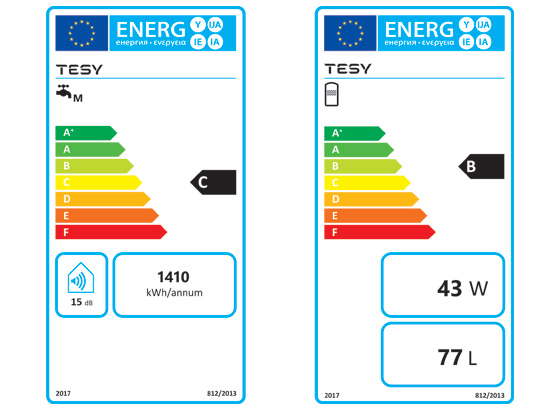
When it comes to electric water heaters, we’re referring to a wide range of devices that all share one common trait: they use electricity to produce hot water for sanitation purposes. In this article, we’ll delve into the world of electric water heaters, exploring their types, energy efficiency labels, and how to choose the right one for your needs.
Types of Electric Water Heaters
In the market, you’ll find various types of electric water heaters, each with its unique characteristics. Specifically, there are five different energy efficiency labels that describe the features of five distinct types of water heaters:
- Conventional Water Heater
- Heat Pump Water Heater
- Storage Tank Water Heater
- Solar-Powered Electric Water Heater
- Combined Unit of Water Heater and Solar Devices
We’ll analyze the energy efficiency label of each type in this article, helping you make an informed decision when choosing a water heater.
Understanding Conventional Water Heaters
Conventional water heaters are perhaps the most widely available type. They use electricity to heat water directly, often resulting in lower energy bills for many households. However, conventional water heaters have their drawbacks, such as higher upfront costs and potentially less efficient than other types of electric water heaters.
Some key features to consider when evaluating a conventional water heater include:
- Energy Efficiency Label: Conventional water heaters typically fall under the label A++, which is considered low energy-efficient.
- Capacity (in liters): Choose a capacity that suits your household’s needs, taking into account factors such as family size and bathing frequency.
- Noise Level (indoor and outdoor): Since conventional water heaters are often noisy due to the heating element, consider this feature when selecting a model.
Understanding Heat Pump Water Heaters
Heat pump water heaters have become increasingly popular in recent years due to their impressive energy efficiency. They use refrigeration to transfer heat from one location to another, making them an attractive option for households looking to reduce their energy consumption.
Some key features to consider when evaluating a heat pump water heater include:
- Energy Efficiency Label: Heat pump water heaters typically fall under the label A+, which is considered high energy-efficient.
- Capacity (in liters): Similar to conventional water heaters, choose a capacity that suits your household’s needs.
- Noise Level (indoor and outdoor): Heat pump water heaters are generally quieter than conventional water heaters due to their advanced technology.
Understanding Storage Tank Water Heaters
Storage tank water heaters store hot water in a separate tank, which can be heated using electricity or gas. They offer flexibility and convenience for households with varying energy needs.
Some key features to consider when evaluating a storage tank water heater include:
- Energy Efficiency Label: Storage tank water heaters typically fall under the label A++, which is considered low energy-efficient.
- Capacity (in liters): Choose a capacity that suits your household’s needs, taking into account factors such as family size and bathing frequency.
- Noise Level (indoor and outdoor): Since storage tank water heaters are often noisy due to the heating element, consider this feature when selecting a model.
Understanding Solar-Powered Electric Water Heaters
Solar-powered electric water heaters harness solar energy to heat water, reducing reliance on traditional electricity. They offer an attractive option for households with access to sunlight.
Some key features to consider when evaluating a solar-powered electric water heater include:
- Energy Efficiency Label: Solar-powered electric water heaters typically fall under the label A+, which is considered high energy-efficient.
- Capacity (in liters): Choose a capacity that suits your household’s needs, taking into account factors such as family size and bathing frequency.
- Noise Level (indoor and outdoor): Since solar-powered electric water heaters are generally quieter than conventional water heaters due to their advanced technology.
Understanding Combined Units of Water Heater and Solar Devices
Combined units of water heater and devices solar offer the best of both worlds, combining the efficiency of heat pump technology with the power of sunlight. They’re an excellent option for households looking to reduce their energy consumption while harnessing renewable energy.
Some key features to consider when evaluating a combined unit of water heater and devices solar include:
- Energy Efficiency Label: Combined units typically fall under the label A+, which is considered high energy-efficient.
- Capacity (in liters): Choose a capacity that suits your household’s needs, taking into account factors such as family size and bathing frequency.
- Noise Level (indoor and outdoor): Since combined units are generally quieter than conventional water heaters due to their advanced technology.
Choosing the Right Electric Water Heater for Your Needs
When selecting an electric water heater, consider the following factors:
- Energy Efficiency Label: Look for energy-efficient labels like A+ or higher.
- Capacity (in liters): Choose a capacity that suits your household’s needs.
- Noise Level (indoor and outdoor): Consider the noise level when selecting a model, as some water heaters can be quite loud.
- Budget: Electric water heaters vary in price, so set a budget and choose a model that fits within it.
- Maintenance Requirements: Some electric water heaters require regular maintenance to extend their lifespan.
By understanding these factors and considering the unique features of each type of electric water heater, you can make an informed decision when selecting the right one for your needs.
FAQs
Q: What is the difference between a conventional water heater and a heat pump water heater?
A: A conventional water heater uses electricity to heat water directly, while a heat pump water heater uses refrigeration to transfer heat from one location to another, making it more energy-efficient.
Q: How do I read the energy label of an electric water heater?
A: The energy label provides information about the product’s name, capacity, energy efficiency level, noise level, and annual energy consumption. It also includes a map of Europe showing indicative zones of solar radiation for heat pump water heaters.
Q: Can I install a solar-powered water heater outdoors?
A: No, solar-powered water heaters are designed to be installed indoors due to the absence of outdoor noise levels.
Q: What is the difference between a combined system of water heater and devices solar?
A: The combined system includes both the water heater and solar devices (collectors) and is more energy-efficient than separate units.
Q: Can I find a class A+ for the water heater and an A+++ for the combined “boiler + collectors” system?
A: Yes, it’s common to find this combination in electric water heaters with integrated solar power systems.
Q: How can I save energy with an electric water heater?
A: Electric water heaters offer several ways to save energy, including using heat pump technology, installing a solar-powered water heater, or choosing a combined system of water heater and devices solar.
Q: What is the annual energy consumption (kWh) of a conventional water heater?
A: The annual energy consumption of a conventional water heater varies depending on usage and efficiency.
Q: Can I install an electric water heater in my home?
A: Yes, but it’s essential to consider factors like space, installation requirements, and energy costs before making a decision.
Q: How do I maintain my electric water heater?
A: Regular maintenance is crucial for extending the lifespan of your electric water heater. This includes checking the power cord, ensuring proper ventilation, and performing routine cleaning tasks.


