
Understanding the Cost of an Electric Water Heater: A Guide to Energy Efficiency and Savings
As we go about our daily lives, it’s easy to overlook the hidden costs associated with keeping our homes warm. One such expense is that of energy consumption, particularly when it comes to electric water heaters. In this article, we’ll delve into the world of electric water heaters, exploring their costs, benefits, and tips for reducing energy consumption.
The Importance of Energy Efficiency
When it comes to electric water heaters, efficiency is key. The European Union’s Ecodesign Directive sets a limit on the energy consumption of new water heaters, with some models achieving a reduction of up to 65% in energy consumption compared to older models. When shopping for an electric water heater, look for models with high energy efficiency ratings, such as A+, which indicate that they meet specific standards for energy efficiency.
How Much Does an Electric Water Heater Cost?
The cost of an electric water heater can vary depending on several factors, including the model’s energy efficiency rating, capacity, and brand. On average, a new electric water heater can cost anywhere from €200 to €1,500 or more. While this may seem like a significant upfront investment, consider the long-term savings and benefits of using an energy-efficient model.
Factors Affecting Energy Consumption
Several factors can impact the energy consumption of an electric water heater, including:
- Class of efficiency: Higher efficiency models tend to consume less energy.
- Model type: Some models are designed for high-energy consumption, while others are optimized for efficiency.
- Usage patterns: How often and how long you use the appliance can significantly impact its energy consumption.
- Maintenance: Regular maintenance can help extend the lifespan of your electric water heater and reduce energy waste.
Choosing the Right Electric Water Heater
When selecting an electric water heater, consider several factors to ensure you find one that meets your specific needs. Here are a few key points to keep in mind:
- Capacity: Choose a model with a capacity that suits your household’s needs.
- Energy efficiency: Opt for a high-efficiency model with an A+ rating for significant savings on energy consumption.
- Brand and quality: Research reputable brands known for producing high-quality electric water heaters.
Types of Electric Water Heaters
There are several types of electric water heaters available, each with its own unique characteristics and benefits:
- Conventional models: These are the most common type of electric water heater and offer a balance between price and performance.
- Heat pump models: These models use heat pumps to provide hot water, which can be more energy-efficient than traditional electric water heaters.
- Solar-powered models: These models harness the power of sunlight to heat your water, making them an excellent option for eco-conscious homeowners.
Regulating the Thermostat
One simple way to reduce energy consumption is by regulating the thermostat. Setting the temperature between 40°C and 60°C in summer and winter can make a significant difference. In extreme cases, lowering the temperature further might be necessary, such as during hot summer months or when heating costs are high.
Using a Timer
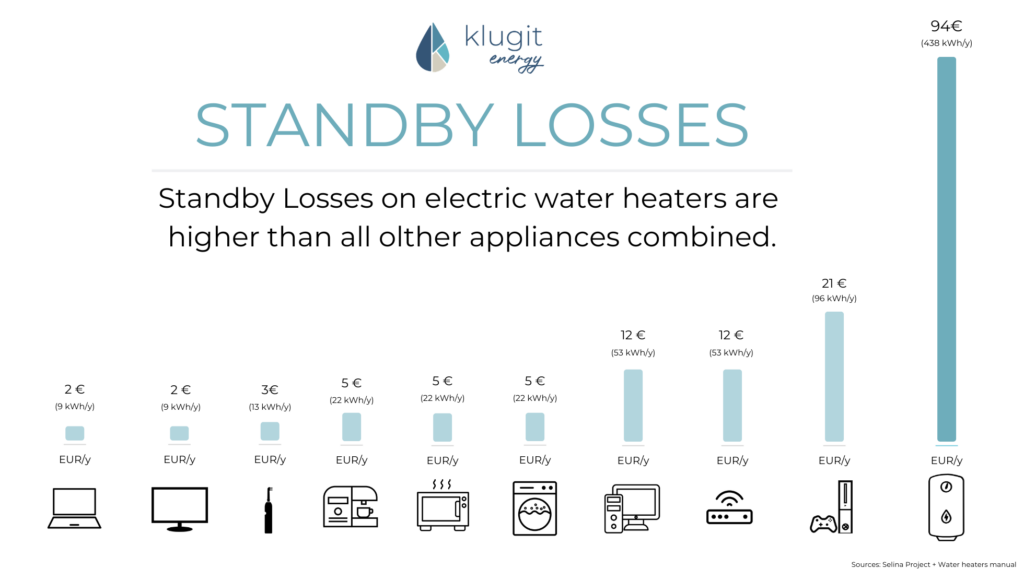
Another effective way to reduce energy consumption is by using a timer. If you’re only needing hot water at certain times of the day, consider setting your electric water heater to turn off and on automatically. This can help minimize standby losses and optimize energy efficiency.
Electric Water Heaters with Inverter Technology
Some electric water heaters come equipped with inverter technology, which allows them to operate more efficiently by continuously adjusting power output according to demand. If you have an electric water heater with this feature, consider leaving it on for extended periods without using the timer, as it will be working at peak efficiency.
Checking and Replacing the Heating Element
It’s time to give your electric water heater a thorough check-up! Inspect the heating element for signs of wear or damage. If you notice any issues, consider replacing the element to ensure optimal performance and minimize energy waste.
Monitoring Energy Consumption
The only way to accurately measure energy consumption is by monitoring it yourself. There are various options available, such as smart meters or DIY energy monitors. These tools can provide valuable insights into your energy usage patterns and help you identify areas for improvement.
Conclusion
Choosing the right electric water heater for your home can have a significant impact on your energy bills. By understanding the factors that affect energy consumption and implementing strategies like regulating the thermostat, using timers, and monitoring energy usage, you can enjoy cost savings while keeping your home warm and cozy.
Frequently Asked Questions
- What is the average lifespan of an electric water heater?
- The average lifespan of an electric water heater is around 10 to 15 years.
- How often should I replace the heating element in my electric water heater?
- It’s recommended to inspect and replace the heating element every 5-7 years or as needed based on its condition.
- Can I use a timer on an electric water heater with inverter technology?
- Yes, you can still use a timer on these models, but it may not be necessary due to their high efficiency.
-
How much energy does an average person save by using a more efficient electric water heater?
- Savings vary depending on individual circumstances, but using a high-efficiency model can result in significant reductions in energy consumption.
-
What are some common mistakes people make when choosing an electric water heater?
- Some common mistakes include not considering the device’s class of efficiency or not taking into account personal usage patterns.
-
Can I install a smart meter on my existing electric water heater?
- It’s possible to add a smart meter to your existing electric water heater, but this may require professional installation.
-
How do I determine if my electric water heater is operating efficiently?
- Check for signs of excessive energy consumption, such as increased bills or unusual noises during operation.
-
What are some DIY maintenance tips for my electric water heater?
- Regular cleaning and checking of the heating element can help extend its lifespan.
-
Can I use an electric water heater with other appliances to save energy?
- In some cases, using multiple appliances at once can increase overall energy consumption, but careful planning can minimize this effect.
-
How do I find a reliable professional for maintenance and repairs on my electric water heater?
- Ask friends or family members for recommendations or check online review platforms to find reputable service providers.
-
What are some alternative options to traditional electric water heaters?
- Consider tankless systems, heat pumps, or solar-powered water heating solutions as alternatives.
-
How often should I replace my thermostat in an electric water heater?
- The frequency of replacement depends on the model and usage patterns; consult the user manual for specific guidance.
-
Can I use a timer to regulate the temperature of my electric water heater?
- Yes, timers can be used to set specific temperatures during certain hours or periods.
-
What are some safety precautions when working with electricity and electric water heaters?
- Always turn off power at the circuit breaker before performing maintenance or repairs.
-
How do I know if my electric water heater is leaking?
- Check for signs of water leakage around the unit, such as water spots on the floor or walls.
By understanding the factors that affect energy consumption and implementing strategies like regulating the thermostat, using timers, and monitoring energy usage, you can enjoy cost savings while keeping your home warm and cozy.


