
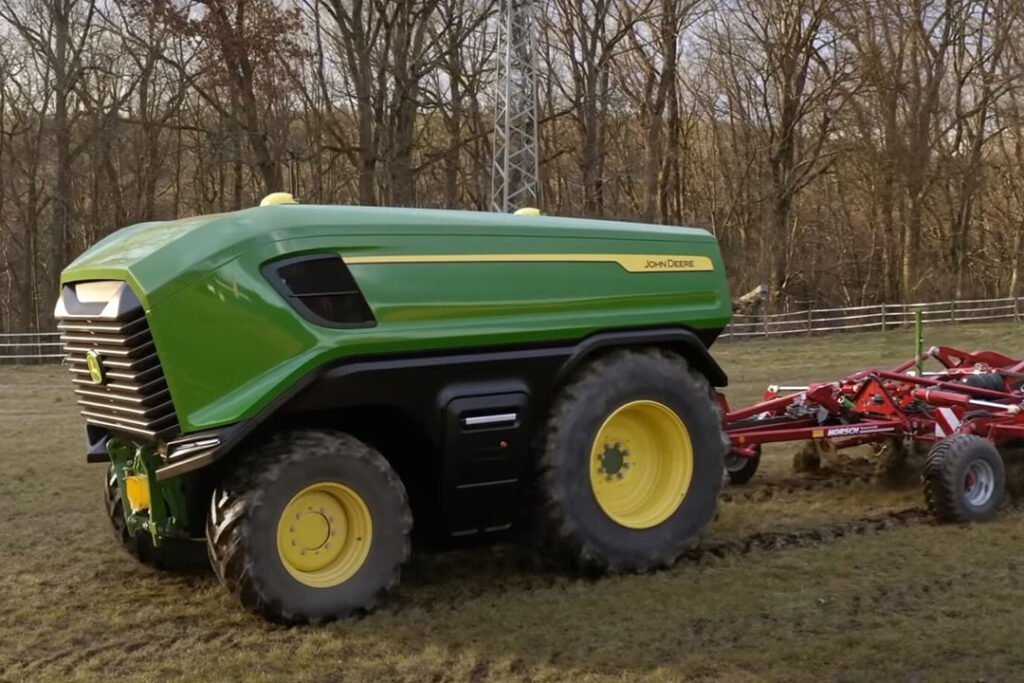
As we look to the future of farming, one technology that is gaining traction is the electric tractor. Once seen as a novelty, electric tractors are now becoming a reality, with major players like Agco and Fendt already producing models. But what does this mean for the industry? In this article, we’ll explore the benefits and limitations of electric tractors, and examine what the future holds for this innovative technology.
The History of Electric Tractors
While it may seem like a new concept, electric tractors have been around for several years. Agco, a leading agricultural equipment manufacturer, unveiled its e100 Vario model at Agritechnica 2017, which won the Innovation Awards. This marked the beginning of a new era in farming, with companies like Fendt soon following suit.
Why Electric Tractors Are the Future
The history of agriculture has seen major innovations come and go, from steam engines to diesel tractors. But this time, it’s different. The automotive industry has been at the forefront of electric vehicle development, and farming is no exception. The benefits are clear: reduced emissions, lower operating costs, and improved efficiency.
But why should farmers care? After all, they’re not just buying a tractor – they’re investing in their future. As we’ve seen with the Paris Agreement, there’s a growing recognition of the need to reduce our carbon footprint. Electric tractors are part of this solution, offering a cleaner, more sustainable alternative to traditional diesel engines.
Challenges Ahead
While electric tractors offer many benefits, there are still challenges to overcome. The main hurdle is cost – currently, batteries are expensive and limited in range. But as technology advances, we can expect prices to drop and ranges to increase.
Another concern is durability. Battery life is an important factor, but it’s not the only one. Electric tractors require regular maintenance, just like their diesel counterparts. However, this shouldn’t be a barrier – after all, many farmers are already familiar with the upkeep required for traditional tractors.
The Role of Fendt and Agco
These two companies are at the forefront of electric tractor development. Fendt has been producing electric models since 2018, while Agco unveiled its e100 Vario in 2017. Their efforts have helped raise awareness about the benefits of electric tractors, but there’s still more work to be done.
One key challenge is changing consumer behavior. Farmers are often skeptical about new technology, preferring tried-and-tested methods. But as we’ve seen with the adoption of GPS and other precision farming tools, change can come quickly when it makes sense.
The Benefits of Electric Tractors
So what exactly do electric tractors bring to the table? Here are some key benefits:
- Reduced Emissions: Electric tractors produce zero tailpipe emissions, reducing greenhouse gas emissions and air pollution.
- Lower Operating Costs: Electric tractors require less maintenance than diesel engines, saving farmers money on fuel, repairs, and replacement parts.
- Improved Efficiency: Electric motors are more efficient than traditional diesel engines, translating to increased productivity and reduced energy costs.
- Quieter Operation: Electric tractors are much quieter than their diesel counterparts, reducing noise pollution and improving working conditions.
The Future of Electric Tractors
As we look ahead to the future, one thing is clear: electric tractors are here to stay. With major players investing in research and development, we can expect to see significant improvements over the next few years.
But what does this mean for farmers? The answer is simple: it means that they’ll have access to cleaner, more efficient equipment. No longer will they be bound by traditional diesel engines – instead, they’ll have the power to choose a sustainable alternative.
Conclusion
The rise of electric tractors marks an exciting new chapter in the history of farming. As we move forward, we can expect to see significant improvements in efficiency, sustainability, and cost-effectiveness. But it’s not just about technology – it’s also about changing consumer behavior.
By embracing this innovative technology, farmers will be able to reduce their carbon footprint, improve productivity, and create a more sustainable future for generations to come.
FAQs
Q: What are the benefits of electric tractors?
A: Electric tractors offer several benefits, including reduced emissions, lower operating costs, and improved efficiency. They also provide a cleaner, more sustainable alternative to traditional diesel engines.
Q: How do batteries affect electric tractors?
A: Batteries currently have limited range and high upfront costs. However, as technology advances, we can expect prices to drop and ranges to increase.
Q: Can electric tractors handle heavy loads?
A: Electric tractors are designed for a wide range of applications, from small-scale farming to large commercial operations. They’re capable of handling heavy loads, but it’s essential to choose the right model for your specific needs.
Q: What about maintenance and repair?
A: Electric tractors require regular maintenance, just like traditional diesel engines. However, many farmers are already familiar with the upkeep required for these machines.
Q: Are electric tractors suitable for small-scale farming?
A: Absolutely! Electric tractors can be an excellent choice for small-scale farmers who want to reduce their environmental impact while improving productivity.
Q: Can I purchase a used electric tractor?
A: Yes, many dealerships and online marketplaces offer used electric tractors. Be sure to research the model and its history before making a purchase.
Q: Will electric tractors replace traditional diesel engines entirely?
A: It’s unlikely that electric tractors will completely replace traditional diesel engines in the near future. However, they’ll certainly become increasingly popular as technology advances and consumers demand more sustainable options.
Case Studies
There are several real-world examples of farmers who have switched to electric tractors with great success:
- John Deere’s Electric Tractor: John Deere has recently released its own line of electric tractors, which offer improved efficiency and reduced emissions.
- Agco’s e100 Vario: Agco’s e100 Vario model has been praised for its impressive range and durability, making it an excellent choice for farmers who need reliable equipment.
Conclusion
As we look to the future of farming, one thing is clear: electric tractors are here to stay. With major players investing in research and development, we can expect to see significant improvements over the next few years.
By embracing this innovative technology, farmers will be able to reduce their carbon footprint, improve productivity, and create a more sustainable future for generations to come.


