
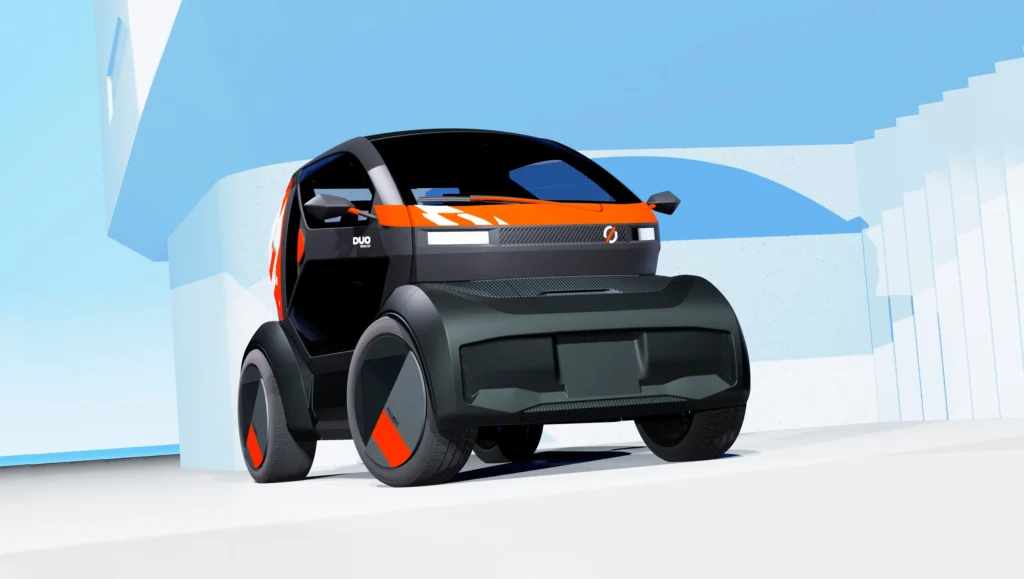
As we navigate the world of sustainable transportation, one often-overlooked vehicle has gained popularity: the electric quadricycle. But what exactly is a quadricycle, and how does it differ from other types of vehicles?
To answer this question, let’s dive into the technical aspects of a quadricycle. According to the Italian Highway Code (art. 47), a quadricycle refers to a four-wheeled vehicle with characteristics similar to those of a motor scooter.
However, there are some key differences between quadricycles and other types of vehicles. Let’s explore these distinctions further.
Types of Quadricycles
There are two main categories of electric quadricycles: lightweight (L6e) and heavier (L7e). The difference lies in their mass capacity, which affects the type of license required to operate them.
A lightweight quadricycle (L6e) has a maximum payload capacity of 200 kg and can be ridden by anyone with a European A1 license (valid only outside Italy until age 16). These vehicles are ideal for short distances and are considered one of the safest modes of transportation for young people, after bicycles.
On the other hand, heavier quadricycles (L7e) have a maximum payload capacity of 200 kg and require a European B1 license to operate. Riders must be at least 16 years old and, if they wish to carry passengers, they must wait until age 18 before being authorized to do so.
Characteristics of Quadricycles
Before making a decision about purchasing an electric quadricycle, it’s essential to consider the following characteristics:
- Top speed: A maximum of 45 km/h in urban areas and higher speeds on designated roads.
- Weight limit: 350 kg (without batteries) for lightweight models and 400 kg (including batteries) for heavier models.
- Power output: Up to 4 kW for lightweight models and up to 15 kW for heavier models.
- Passenger capacity: One passenger, excluding the driver.
- Cargo capacity: A maximum of 200 kg.
These limitations can affect your daily routine. For example, if you need to transport heavy luggage or multiple passengers, a quadricycle might not be the best choice.
Purchasing Considerations
When deciding whether an electric quadricycle is right for you, consider the following factors:
- Mobility needs: Assess your transportation requirements and how often you’ll use the vehicle.
- Budget: Compare prices with other types of vehicles to determine if a quadricycle fits within your budget.
- Safety features: Ensure that the chosen model has adequate safety features, such as anti-lock braking systems (ABS) and electronic stability control (ESC).
- Range and charging time: Consider the autonomy and recharging capabilities of the vehicle.
By carefully evaluating these factors, you can make an informed decision about whether an electric quadricycle is the right choice for your lifestyle.
Conclusion
Electric quadricycles offer a unique blend of convenience, sustainability, and affordability. While they may not be suitable for everyone’s needs, those who prioritize short-distance transportation and environmental friendliness might find them an attractive option.
As you weigh your options, keep in mind that there are many electric vehicles available on the market. Researching different models can help you determine which one best suits your specific requirements.
FAQs
- What is the maximum speed of a quadricycle?
A: The top speed for an electric quadricycle varies by model, but most have a maximum speed of 45 km/h in urban areas and higher speeds on designated roads. - Do I need a specific license to drive a quadricycle?
A: It depends on the type of quadricycle. Lightweight models (L6e) can be ridden by anyone with a European A1 license, while heavier models (L7e) require a European B1 license and are restricted to riders over 16 years old. - Can I carry passengers in a quadricycle?
A: Yes, but only one passenger is allowed, excluding the driver. Riders must also wait until age 18 before being authorized to carry passengers. - What is the maximum payload capacity of a quadricycle?
A: The maximum payload capacity varies by model, but most have a limit of 200 kg for both lightweight and heavier models. - How long does it take to recharge an electric quadricycle?
A: Charging time depends on the type of battery used in the vehicle. Typically, fully charged batteries can be recharged within several hours. - Are there any safety features that should I look for when purchasing a quadricycle?
A: Yes, consider models with anti-lock braking systems (ABS) and electronic stability control (ESC) to ensure optimal safety.
By answering these questions and considering your individual needs, you’ll be better equipped to decide whether an electric quadricycle is the perfect fit for you.
Types of Electric Quadricycles
There are several types of electric quadricycles available in the market, each with its unique characteristics. Some popular models include:
- Piaggio Ape: A lightweight model that features a maximum speed of 45 km/h and can carry up to 200 kg.
- Peugeot Boxer E-Van: A heavier model with a maximum payload capacity of 250 kg and a top speed of 45 km/h.
- Fiat Fiorino E-Van: Another popular option that features a maximum payload capacity of 200 kg and a top speed of 45 km/h.
Advantages of Electric Quadricycles
Electric quadricycles have several advantages, including:
- Zero emissions: These vehicles produce no harmful emissions, making them an environmentally friendly choice.
- Low operating costs: Electric quadricycles are relatively inexpensive to operate, with lower fuel costs and reduced maintenance needs.
- Compact design: Quadricycles are designed for short-distance transportation, making them ideal for urban areas.
Challenges of Electric Quadricycles
While electric quadricycles offer several advantages, there are also some challenges to consider:
- Limited range: These vehicles typically have a limited range, requiring frequent charging.
- Higher upfront costs: While operating costs are low, the initial purchase price of an electric quadricycle can be higher than that of traditional vehicles.
Conclusion
Electric quadricycles offer a unique blend of convenience, sustainability, and affordability. By carefully considering your individual needs and evaluating the characteristics of these vehicles, you can make an informed decision about whether an electric quadricycle is the right choice for you.
Whether you’re looking for short-distance transportation or an environmentally friendly option, electric quadricycles are worth exploring. With their compact design, zero emissions, and low operating costs, they offer a compelling alternative to traditional vehicles.


