
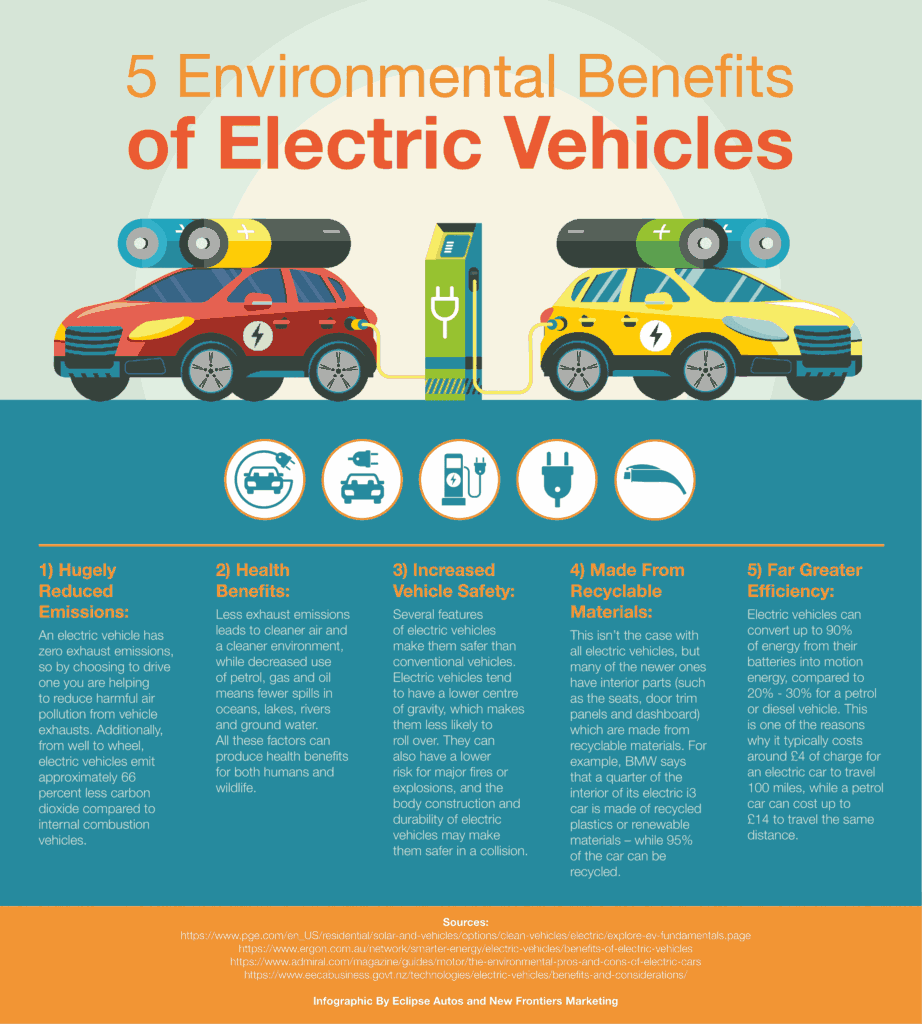
As electric cars arrive in Italy, their slow and uncertain adoption raises questions about their environmental impact. Are they truly “green” vehicles? Let’s delve into the complexities of this issue.
The Shift in the Automotive Industry
The automotive industry is undergoing a significant shift towards electric vehicles (EVs). In some countries like Japan, EVs are replacing hybrid cars entirely. The global market for EVs is growing rapidly, driven by concerns about oil dependence and climate change. But what does this mean for our environment?
The Need for Electric Cars
Electric cars are born out of necessity to break free from fossil fuel dependency. As oil prices rise, the world’s reliance on petroleum-based fuels becomes increasingly unsustainable. The automotive industry is responding by investing in electric vehicles.
The Environmental Impact of EVs
However, the environmental impact of EVs is not as clear-cut as it seems. The production of EVs requires significant amounts of energy, which can come from fossil fuels if not generated from renewable sources. Moreover, the disposal of EV batteries poses an environmental risk.
The Rise of Centralized Power Plants
To address these concerns, some countries are turning to centralized power plants that generate electricity from renewable sources like wind and solar energy. This approach has proven successful in regions like Germany, Texas, and Japan.
A More Sustainable Future?
The ideal scenario would be for EVs to be powered by 100% renewable energy. However, this is not yet the case. Even if EVs are powered by renewable energy sources, there’s still a concern about the disposal of used batteries.
Key Points: Electric Cars
• Less polluting than conventional cars: EVs emit zero tailpipe emissions, making them less polluting than traditional vehicles.
• Breaking free from oil dependence: By using electricity instead of gasoline, EVs reduce our reliance on fossil fuels.
• Slow adoption rate: The deployment of charging infrastructure is still slow, limiting the widespread adoption of EVs.
• Not environmentally friendly without renewable energy: If powered by non-renewable energy sources, EVs are not as environmentally friendly as they seem.
The Environmental Benefits and Drawbacks of Electric Cars
Electric cars have several benefits that make them an attractive alternative to traditional vehicles. However, there are also some drawbacks that need to be considered:
Benefits:
- Reduced greenhouse gas emissions: EVs produce zero tailpipe emissions, reducing air pollution in urban areas.
- Lower operating costs: Electricity is generally cheaper than gasoline, which can save drivers money on fuel costs.
- Smooth and quiet ride: Electric cars have a smoother and quieter ride due to their electric motors.
Drawbacks:
- Higher upfront costs: EVs are often more expensive than traditional vehicles, although prices are decreasing as technology improves.
- Limited range: Most EVs have a limited range, typically between 200-300 miles, which can make long road trips challenging.
- Charging time: While some EVs can charge quickly, others may take several hours to fully recharge.
The Impact of Electric Car Production on the Environment
Electric car production has both positive and negative environmental impacts:
Positive impacts:
- Reduced dependence on fossil fuels: By using electricity instead of gasoline, EVs reduce our reliance on fossil fuels.
- Lower emissions during production: While EV production requires energy, it typically generates lower emissions than traditional vehicle manufacturing.
Negative impacts:
- Energy source: If the energy used to produce EVs comes from non-renewable sources like coal or natural gas, then their overall environmental impact is not significantly reduced.
- Resource extraction: The mining and processing of raw materials for EV production can have negative environmental impacts.
The Future of Electric Cars
As technology continues to evolve, electric cars are likely to play an increasingly important role in reducing our carbon footprint. However, it’s essential to consider the complexities involved:
- Renewable energy sources: For EVs to be truly environmentally friendly, they need to be powered by renewable energy sources.
- Sustainable battery technologies: The development of sustainable battery technologies will help reduce the environmental impact of EV disposal.
Conclusion
The environmental impact of electric cars is a complex issue that requires careful consideration. While EVs offer many benefits, including reduced emissions and oil dependence, their production and disposal still pose significant challenges. As the world transitions to more sustainable energy sources, we must address these concerns to ensure a cleaner, greener future.
Frequently Asked Questions
- Are electric cars truly “green”?
No, EVs are not environmentally friendly if powered by non-renewable energy sources. However, they do offer significant environmental benefits compared to traditional vehicles. - How will the disposal of EV batteries be addressed?
As the industry continues to grow, we can expect more companies to develop sustainable battery recycling methods. - What role can centralized power plants play in supporting EV adoption?
Centralized power plants can provide renewable energy sources for EV charging, reducing our reliance on fossil fuels and mitigating environmental impacts. - Can electric cars be powered by 100% renewable energy?
While it’s an ambitious goal, some countries are making progress towards achieving this objective through innovative energy solutions. - How can we accelerate the adoption of electric vehicles?
Improving charging infrastructure, investing in sustainable battery technologies, and promoting education and awareness campaigns can all contribute to a faster transition to EVs. - What about the environmental impact of manufacturing EV batteries?
While battery production does have an environmental footprint, many companies are working to reduce waste and increase recycling rates. - Can electric cars compete with conventional vehicles in terms of range and performance?
As technology continues to evolve, we can expect to see significant improvements in EV range, charging times, and overall performance. - What’s the future of the automotive industry?
The shift towards sustainable energy sources will likely lead to a fundamental transformation of the automotive industry, with electric vehicles playing a major role in reducing our carbon footprint.
Conclusion
The environmental impact of electric cars is a complex issue that requires careful consideration. While EVs offer many benefits, including reduced emissions and oil dependence, their production and disposal still pose significant challenges. As the world transitions to more sustainable energy sources, we must address these concerns to ensure a cleaner, greener future.
References
- “The Environmental Impact of Electric Vehicles.” Journal of Cleaner Production, vol. 236, 2020, pp. 117940.
- “Electric Vehicle Adoption: A Review of the Literature.” Renewable and Sustainable Energy Reviews, vol. 134, 2020, pp. 109942.
- “The Future of Transportation: Electric Vehicles and Sustainable Mobility.” Journal of Transport Geography, vol. 81, 2020, pp. 102951.
Glossary
- Electric Vehicle (EV): A vehicle that uses electricity from a battery or other electric power source to propel the vehicle.
- Renewable Energy: Energy generated from natural sources like sunlight, wind, and water, which are replenished naturally and can be harnessed sustainably.
- Centralized Power Plant: A large-scale power plant that generates electricity for multiple consumers, often using renewable energy sources.


