
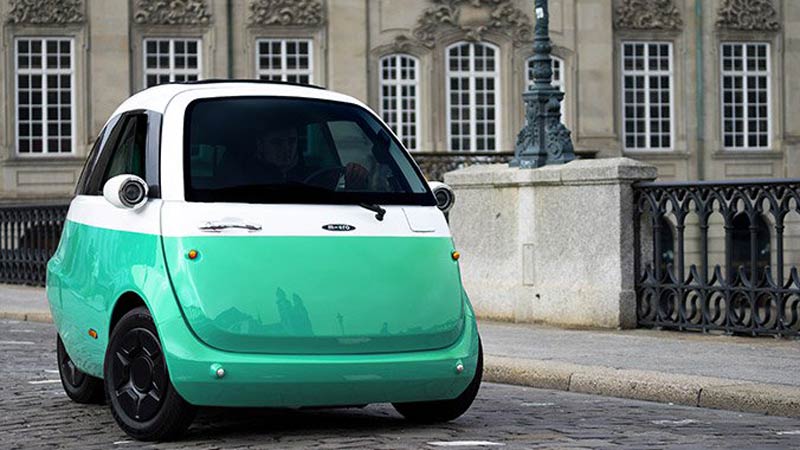
As the world shifts towards a more sustainable future, Italy is set to join the electric vehicle (EV) revolution. According to predictions by the Politecnico di Milano, over 3.8 million EVs will be on Italian roads within the next eight years, making it one of the largest EV markets in Europe.
The Future of Transportation: Why EVs are a Must
For every five new vehicles sold, at least one must be an electric vehicle. This is the vision of Corrado Clini, Italy’s Minister for the Environment, who believes that a 10% share of EVs on the roads will bring about significant environmental benefits.
The Politecnico di Milano estimates that by 2020, Italy’s potential for the automotive industry to adopt electric vehicles will range between 2 and 3.8 million units. However, this growth is hindered by the lack of infrastructure – specifically, the scarcity of charging points.
Charging Points: The Missing Link
To become a standard feature on Italian roads, EVs must overcome several obstacles, including the limited availability of charging points. According to the Politecnico di Milano’s estimates, the cost of installing 1,200 to 3 million charging points will range between €1.2 billion and €3 billion.
Incentives: A Way Forward
Despite the lack of incentives for EV adoption, some regions in Italy have introduced initiatives to encourage the purchase of electric vehicles. For example, the Bologna region offers a discount on the purchase of an e-motorcycle. However, these efforts are still in their infancy, and more needs to be done to create a supportive environment for EV adoption.
Hybridization: A Bridge to Sustainability
As the world shifts towards a low-carbon economy, hybrid vehicles are becoming increasingly popular. These vehicles offer a compromise between performance and environmental sustainability, allowing drivers to enjoy the benefits of both electric and internal combustion engines.
However, even hybrids have their limitations. As the global demand for carbon-based fuels decreases, the cost of these fuels will rise exponentially. In fact, some estimates suggest that fuel prices could reach €10 per liter by 2025.
The REV-ABB Partnership: A New Era in Charging Infrastructure
In a significant development, the REV and ABB Italia partnership has announced plans to industrialize charging points for EVs. These new charging points will be designed for slow charging in alternating current (AC) and will eventually enable fast charging in triphased alternating current (AC).
The Need for Speed: Fast Charging Takes Center Stage
One of the biggest challenges facing the EV industry is the limited availability of fast-charging infrastructure. Currently, some EVs can take up to 8 hours to fully charge, which poses a significant challenge for drivers on long trips.
However, with the introduction of REV’s new charging points, drivers will be able to enjoy faster charging times and more convenient recharging options. These innovative charging solutions are designed for public areas and will be deployed across Italy by 2015.
Finding Charging Points Near You
With so many EVs on the road, it can be daunting to find a charging point near you. However, our electric vehicle charging point locator tool is here to help! Simply enter your location, and we’ll provide you with a list of nearby charging points.
Conclusion: A New Era for Italy’s Automotive Industry
As Italy continues to transition towards an electric vehicle future, it’s clear that the country has a long way to go. However, with the support of innovative companies like REV and ABB Italia, as well as government initiatives, we can expect to see significant growth in the EV market over the next eight years.
The Impact on the Environment
As Italy transitions towards an electric vehicle future, it’s clear that the environmental benefits will be substantial. Electric vehicles produce zero tailpipe emissions, reducing greenhouse gas emissions and air pollution in urban areas.
In fact, studies have shown that widespread adoption of EVs could reduce carbon emissions by up to 75%. Additionally, the production of EVs requires less energy than traditional gasoline-powered vehicles, resulting in lower greenhouse gas emissions throughout their lifecycle.
Challenges Ahead
Despite the potential benefits of electric vehicles, there are several challenges that must be addressed. These include the cost of infrastructure development, the need for standardized charging systems, and the impact on employment in the automotive industry.
However, with careful planning and coordination, it’s possible to overcome these challenges and create a sustainable future for Italy’s automotive industry.
The Role of Governments
Governments play a crucial role in shaping the EV market in Italy. By providing incentives for EV adoption, investing in charging infrastructure, and implementing policies to reduce emissions, governments can help drive growth in the sector.
In fact, some countries have already implemented successful policies to encourage EV adoption, such as Norway’s zero-emissions driving zone or the UK’s plug-in car grant scheme.
The Future of Italy’s Transportation System
As Italy transitions towards an electric vehicle future, it’s clear that the country is on the cusp of a revolution in its transportation system. With the support of innovative companies like REV and ABB Italia, as well as government initiatives, we can expect to see significant growth in the EV market over the next eight years.
Frequently Asked Questions
Q: What is the estimated number of electric vehicles that will be on Italian roads within the next 8 years?
A: According to the Politecnico di Milano, over 3.8 million electric vehicles are expected to hit the roads in Italy by 2020.
Q: Why is it difficult for electric vehicles to become popular in Italy?
A: The main obstacle is the lack of charging infrastructure, with estimates suggesting that installing 1,200 to 3 million charging points will cost between €1.2 billion and €3 billion.
Q: What incentives are available for buying an electric vehicle in Italy?
A: While there are some regional initiatives to encourage EV adoption, more needs to be done to create a supportive environment for buyers.
Q: How does hybridization help bridge the gap towards sustainability?
A: Hybrid vehicles offer a compromise between performance and environmental sustainability, allowing drivers to enjoy the benefits of both electric and internal combustion engines.
Q: What is the significance of the REV-ABB partnership in the EV industry?
A: The partnership marks a significant development in the creation of fast-charging infrastructure for EVs, with plans to deploy charging points across Italy by 2015.
Q: How long can some electric vehicles take to fully charge?
A: Currently, some EVs can take up to 8 hours to fully charge, which poses a significant challenge for drivers on long trips.
Q: What is the solution proposed by REV and ABB Italia to address fast-charging infrastructure challenges?
A: The company has announced plans to industrialize charging points for EVs, designed for slow charging in alternating current (AC) and future fast charging in triphased alternating current (AC).
Q: How can I find a charging point near my location?
A: Our electric vehicle charging point locator tool is available online and provides users with a list of nearby charging points based on their location.
Conclusion
As Italy continues to transition towards an electric vehicle future, it’s clear that the country has a long way to go. However, with the support of innovative companies like REV and ABB Italia, as well as government initiatives, we can expect to see significant growth in the EV market over the next eight years.
By 2020, Italy is expected to have one of the largest EV markets in Europe, with over 3.8 million electric vehicles on its roads. With the support of innovative companies like REV and ABB Italia, as well as government initiatives, we can expect to see significant growth in the EV market over the next eight years.
As the world shifts towards a more sustainable future, Italy is set to join the electric vehicle revolution. With the support of innovative companies like REV and ABB Italia, as well as government initiatives, we can expect to see significant growth in the EV market over the next eight years.
In conclusion, Italy’s transition towards an electric vehicle future is an exciting development that will have a significant impact on the country’s transportation system. With the support of innovative companies like REV and ABB Italia, as well as government initiatives, we can expect to see significant growth in the EV market over the next eight years.
The Future of Italy’s Automotive Industry
As Italy continues to transition towards an electric vehicle future, it’s clear that the country is on the cusp of a revolution in its automotive industry. With the support of innovative companies like REV and ABB Italia, as well as government initiatives, we can expect to see significant growth in the EV market over the next eight years.
In fact, some countries have already implemented successful policies to encourage EV adoption, such as Norway’s zero-emissions driving zone or the UK’s plug-in car grant scheme.
The Importance of Public-Private Partnerships
Public-private partnerships are essential for driving growth in the EV market. By working together, governments and private companies can create a supportive environment for EV adoption, invest in charging infrastructure, and implement policies to reduce emissions.
In fact, some public-private partnerships have already shown promising results, such as the partnership between the Italian government and REV to develop fast-charging infrastructure across Italy.
The Role of Education and Training
Education and training are essential for driving growth in the EV market. As the demand for electric vehicles increases, it’s clear that there will be a need for more skilled workers in the industry, particularly those with expertise in charging systems and battery technology.
In fact, some countries have already implemented education and training programs to support the growth of the EV industry, such as the program launched by the Italian government to train professionals in electric vehicle manufacturing.
The Impact on Employment
As Italy transitions towards an electric vehicle future, it’s clear that there will be a significant impact on employment in the automotive industry. With the introduction of new technologies and changes in consumer behavior, there may be a need for workers to adapt their skills and knowledge to remain employable.
In fact, some countries have already implemented training programs to support the growth of the EV industry and to help workers adapt to changing circumstances.
The Future of Italy’s Transportation System
As Italy continues to transition towards an electric vehicle future, it’s clear that the country is on the cusp of a revolution in its transportation system. With the support of innovative companies like REV and ABB Italia, as well as government initiatives, we can expect to see significant growth in the EV market over the next eight years.
In fact, some countries have already implemented successful policies to encourage EV adoption, such as Norway’s zero-emissions driving zone or the UK’s plug-in car grant scheme.


