
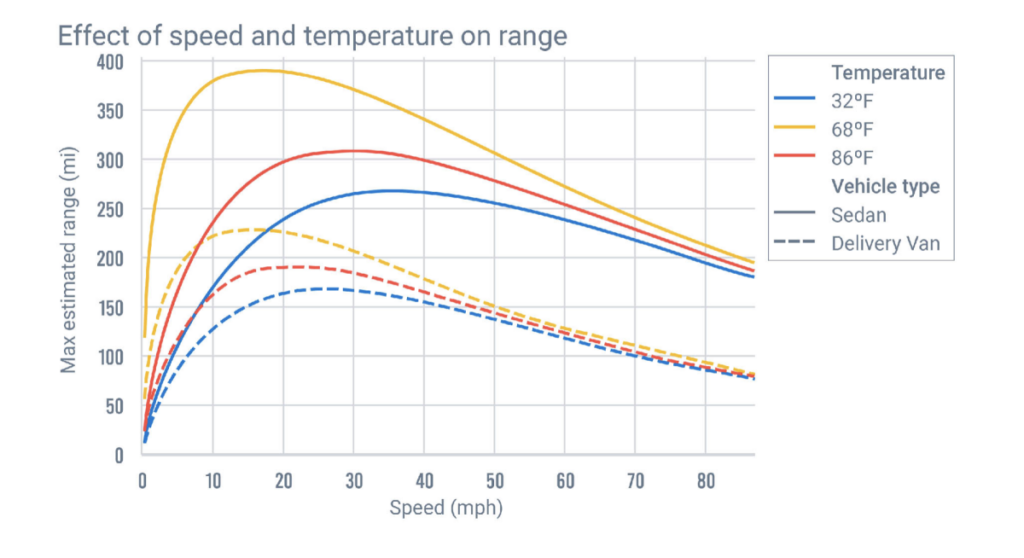
In the era of sustainable mobility, electric vehicles (EVs) have emerged as a preferred choice among consumers. This trend is driven by growing environmental awareness and the goal of zero emissions. However, like any new technology, EVs are not immune to various factors that can affect their performance.
One major concern for potential EV owners is how temperature affects the vehicle’s battery life, particularly its autonomy. As we delve into the world of electric vehicles, it’s essential to understand the intricacies of battery performance and how temperature impacts their lifespan.
Understanding Autonomy
Autonomy refers to the maximum distance a vehicle can travel on a single charge. This figure is determined by standardized tests conducted on a dynamometer within specialized centers. However, those who own or drive an EV know that this data is just an estimate.
Just like conventional cars, electric vehicles are influenced by various factors: road type, load weight, speed, driving style, and climate conditions. These elements modulate energy consumption (defined in terms of distance per liter of fuel or kWh for electric vehicles) and, subsequently, actual autonomy.
The Role of Batteries
Batteries are the heart of every electric vehicle. Consisting mainly of lithium cells, their performance is closely tied to environmental conditions, particularly temperature.
In extreme cold, battery capacity and efficiency can drop significantly. This occurs because low temperatures affect the viscosity of the electrolyte within the battery, slowing down ion movement. As a result, the battery’s ability to store and release energy is compromised.
On the other hand, high temperatures can be equally problematic. Not only do they accelerate cell aging but also cause irreparable damage, compromising battery lifespan and safety.
Thermal Management Systems
Recognizing the importance of maintaining optimal battery temperatures, EV manufacturers have invested heavily in thermal management systems (TMS). These advanced systems are designed to protect batteries from extreme temperatures.
While some vehicles employ simple air-based cooling or heating systems, others utilize more sophisticated liquid-based solutions. Liquid-cooled TMS circulate a refrigerant around battery cells, dissipating excess heat and maintaining stable temperatures.
Performance in Various Temperatures
The capacity of an electric vehicle to maintain optimal performance varies greatly with climate conditions. In temperate climates with moderate temperatures, EVs tend to function best. However, in areas where temperatures drop below freezing or rise significantly during summer, the situation changes.
At extremely low temperatures, reduced autonomy and decreased regenerative braking efficiency can occur. Conversely, in scorching heat, while autonomy remains stable, excessive heat accumulation can limit acceleration capabilities and even restrict top speed for safety reasons.
Seasonal Tips
Maintaining optimal EV performance throughout the year requires practical considerations:
Winter: Preheating batteries before driving or parking in a shaded area can make a significant difference. Modern EVs often feature this functionality through dedicated apps. Even choosing a covered parking spot can help preserve battery temperature.
Summer: Avoiding prolonged exposure to direct sunlight is crucial. Charging while parked under cover or using shade-providing covers can extend battery lifespan. Additionally, maintaining balanced charging practices (avoiding full discharge and charge cycles) helps maintain overall battery health regardless of climate conditions.
Environmental Impact
Beyond the benefits for drivers, effectively managing battery temperatures has a positive impact on the environment. A well-maintained battery lasts longer, reducing the need to produce and dispose of frequently replaced batteries. This, in turn, reduces the extraction of precious materials required for battery production and decreases the overall ecological footprint of the vehicle.
Battery Degradation
As batteries age, their capacity to store energy decreases. While manufacturers have made significant strides in improving battery longevity, degradation is still a natural process. Factors such as temperature fluctuations can accelerate this process.
In extreme cases, high temperatures can cause permanent damage to battery cells, leading to irreparable loss of capacity and shortened lifespan.
Charging Strategies
To mitigate the impact of temperature on battery performance, drivers should adopt smart charging strategies:
- Charging during cooler hours or utilizing solar panels for charging can minimize heat buildup.
- Avoiding full discharge cycles and maintaining a moderate state of charge (around 20% to 80%) can help reduce wear and tear on the battery.
Manufacturers’ Response
Recognizing the importance of addressing temperature-related concerns, EV manufacturers have begun incorporating features that enhance thermal management and battery performance:
- Some models feature built-in heating elements or specialized cooling systems.
- Advanced battery management systems provide real-time monitoring and control to maintain optimal temperatures.
- Improved insulation materials and aerodynamic design help minimize heat buildup during charging.
Real-World Examples
To illustrate the impact of temperature on EV autonomy, consider real-world examples:
- In Norway, where winters are notoriously cold, electric vehicles often struggle with reduced range. However, manufacturers have responded by developing specialized thermal management systems and improved battery designs.
- In hot climates like Arizona, drivers have reported higher autonomy levels due to advanced cooling systems and optimized charging strategies.
Conclusion
As we navigate the world of electric vehicles, understanding the intricacies of temperature on battery performance is essential. By grasping these concepts, potential owners can make informed decisions when selecting an EV and take steps to maintain optimal battery health throughout the year.
Frequently Asked Questions
Q: How does temperature affect the autonomy of an electric vehicle?
A: Temperature significantly impacts electric vehicle autonomy, particularly in extreme conditions. Low temperatures reduce battery capacity, while high temperatures can accelerate cell aging.
Q: What role do thermal management systems play in maintaining optimal battery temperatures?
A: Thermal management systems are critical for protecting batteries from extreme temperatures. Advanced TMS employ liquid-based cooling or heating to maintain stable temperatures within the battery.
Q: Can I drive my electric vehicle in extremely cold weather without affecting autonomy?
A: While some EVs can operate in freezing conditions, reduced regenerative braking efficiency and decreased autonomy may occur. It’s essential to follow manufacturer guidelines and practice safe driving.
Q: How can I protect my battery from excessive heat during summer?
A: Park your EV in shaded areas or use covers to block direct sunlight when charging. Balanced charging practices (avoiding full discharge and charge cycles) also help maintain overall battery health.
Q: What are the environmental benefits of maintaining optimal battery temperatures?
A: By extending battery lifespan, effective temperature management reduces the need for frequent replacement batteries and decreases material extraction required for production, ultimately decreasing the vehicle’s ecological footprint.


