
As the world shifts towards a more sustainable future, electric cars have become increasingly popular. However, amidst the excitement around this new technology, there’s been a lingering concern about its safety, particularly when it comes to pacemakers. In this article, we’ll delve into the world of electric cars and pacemakers, exploring the myths, facts, and what the latest research reveals.
What’s Behind the Fear?
The notion that electric cars are hazardous for people with pacemakers seems rooted in misconceptions. Some might argue that when it rains, you should avoid driving an electric car to prevent getting wet. Others claim that electric cars emit electromagnetic fields (EMFs) that could interfere with pacemakers. But is this fear justified?
Understanding Pacemakers and EMI
A pacemaker is a small device implanted in the chest to regulate heart rhythm. While it’s true that some medical devices can be affected by EMIs, not all pacemakers are created equal. The type of pacemaker used plays a significant role in determining its sensitivity to external electromagnetic fields.
The Mayo Clinic Study: Setting the Record Straight
In 2013, researchers from the Mayo Clinic conducted a study on electric cars and their potential impact on pacemakers. Led by Dr. Luis R. Scott and Dr. Fernando Tondato, the team aimed to investigate whether electric vehicles could cause malfunctions in pacemakers due to electromagnetic interference (EMI).
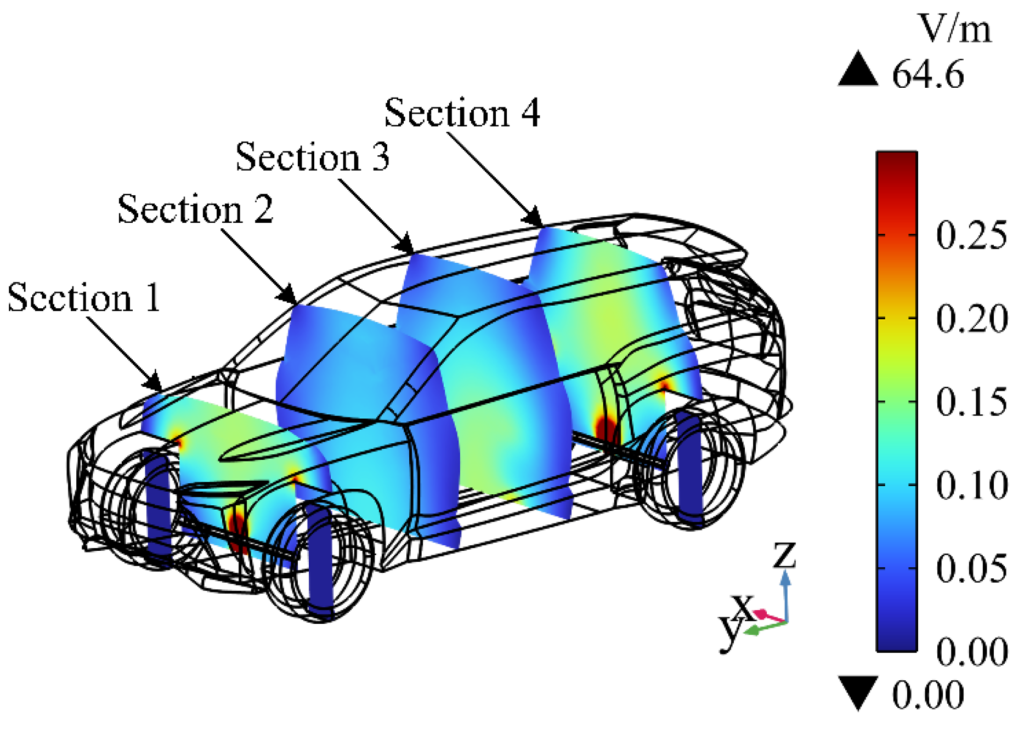
The study involved 30 patients with implanted pacemakers who used a Toyota Prius for an extended period while being monitored constantly. The researchers measured the EMI fields around the car in six different locations, including:
- Inside the vehicle
- Outside the vehicle
- On the driver’s side
- On the passenger’s side
The Results: A Clear Picture
To everyone’s surprise, the study found no significant evidence of pacemaker malfunctions due to EMI from the electric car. The researchers even tested the car while it was in motion at various speeds (50 km/h and 100 km/h) and discovered that it didn’t produce any clinically significant EMIs.
What This Means for Electric Car Owners
While the study doesn’t provide a blanket endorsement for all electric cars, it does suggest that most modern vehicles are designed to minimize EMI exposure. If you have a pacemaker and plan to use an electric car, there’s no need to worry excessively about its safety. However, it’s always a good idea to consult with your doctor or cardiologist to determine the best course of action.
Conclusion: Separating Fact from Fiction
Electric cars are often misunderstood when it comes to pacemakers. By exploring the facts and debunking myths, we can better understand the relationship between these two seemingly disparate entities. As technology advances and more people consider electric vehicles, it’s essential to address concerns and provide accurate information.
Frequently Asked Questions
- Can I still drive my electric car if I have a pacemaker?
Yes, but consult with your doctor or cardiologist for personalized advice. - How do I minimize EMI exposure when using an electric car?
By following the manufacturer’s guidelines and taking regular breaks during long drives. - What are the most common types of pacemakers that may be affected by EMIs?
Pacemakers with certain types of leads or implantable cardioverter-defibrillators (ICDs) may be more susceptible to EMI interference.
Additional Considerations
In addition to pacemaker safety, electric cars also offer numerous environmental benefits. They produce zero tailpipe emissions, reducing greenhouse gas emissions and air pollution in urban areas. Furthermore, many electric vehicles come equipped with advanced safety features, such as lane departure warning systems and automatic emergency braking.
However, there are some limitations to consider. Electric cars typically require access to electricity for charging, which can be a challenge for those living in rural areas or without nearby charging infrastructure. Additionally, the initial cost of an electric car is often higher than its gasoline-powered counterpart, although costs have decreased significantly over time.
The Future of Electric Cars and Pacemakers
As technology continues to evolve, we can expect to see improvements in pacemaker design and safety features. Some researchers are exploring new materials and techniques for reducing EMI exposure, while others are developing implantable devices that can detect and respond to electromagnetic fields.
In the meantime, electric car owners with pacemakers can rest assured that their vehicles are designed to minimize EMI exposure. By taking regular breaks during long drives and following manufacturer guidelines, they can ensure a safe and enjoyable driving experience.
Conclusion: A Brighter Future
The relationship between electric cars and pacemakers is complex, but by exploring the facts and debunking myths, we can better understand this emerging technology. As we move forward into a more sustainable future, it’s essential to address concerns and provide accurate information. By doing so, we can unlock the full potential of electric vehicles and create a brighter, healthier world for all.
Additional Resources
- Mayo Clinic Study: “Pacemaker Safety and Electric Vehicles”
- National Institute of Standards and Technology (NIST): “Electromagnetic Compatibility Testing for Medical Devices”
- American Heart Association: “Cardiovascular Disease Prevention”
By consulting these resources, you can gain a deeper understanding of the relationship between electric cars and pacemakers. Whether you’re an avid car enthusiast or just curious about sustainable transportation, it’s essential to separate fact from fiction and make informed decisions about your health and the environment.


