
As we discussed in our previous article, “Electric Cars and Peacemaker,” electric vehicles can be a concern for driver health. Today, we’re going to tackle this topic again to set the record straight once and for all.
Medical professionals at the Mayo Clinic in Arizona have already reassured us that the magnetic fields produced by electric cars are not clinically significant, making it safe for anyone with prosthetics or pacemakers to travel in an electric vehicle. However, many people still worry about the safety of these vehicles due to the presence of magnetic fields.
So, why do electric cars produce magnetic fields?
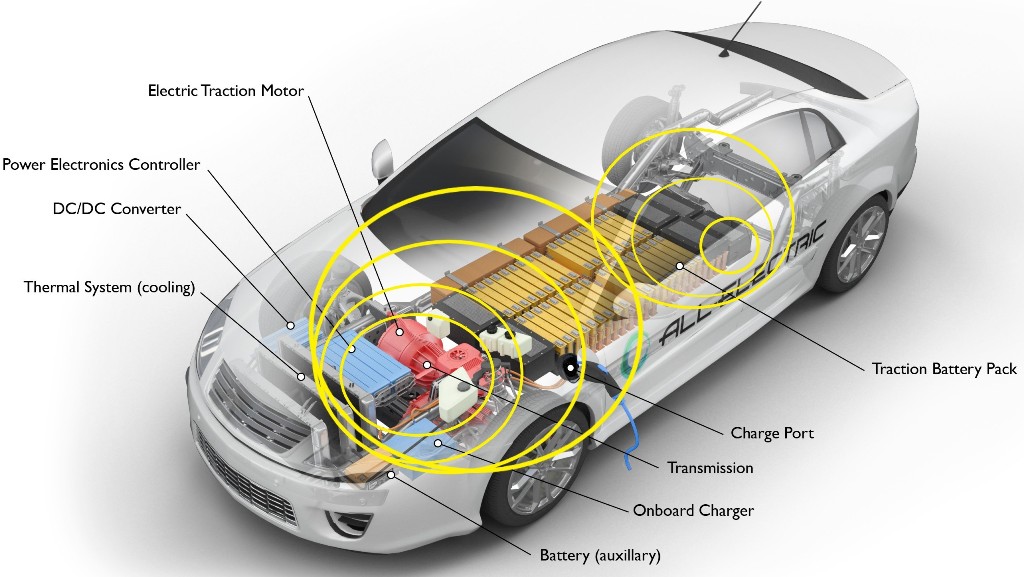
Inside any car, there can be magnetic fields at a low frequency and relatively high intensity. In electric cars, these magnetic fields are mainly generated by magnetized steel in the tires and all the electrical components: from the motor to the starter, the battery pack, and even air conditioning systems.
The highest values of magnetic field strength are usually found near the floor of the car, where the batteries are located, and when the vehicle is turned on.
To address the topic of “electric cars and magnetic fields,” let’s look at another important study that closely examined the quantity of magnetic fields produced by EVs.
Electric Cars and Magnetic Fields: The Tell Study
The research conducted by Tell and collaborators, published in an article titled “ELF Magnetic Fields in Electric and Gasoline-Powered Vehicles,” compared the levels of low-frequency magnetic fields (between 40 Hz-1 kHz) emitted by electric vehicles and gasoline-powered cars to see if they exceeded safety limits set by ICNIRP (International Commission on Non-Ionizing Radiation Protection).
The study analyzed 14 vehicles: 6 gasoline-powered, 5 electric, and 3 hybrid. The levels of magnetic fields inside the cars were measured using six wide-band meters that took samples every four seconds, and the results were analyzed statistically.
The research found that electric cars do produce more magnetic fields than gasoline-powered cars, but these values are still well below safety limits. In particular, the average magnetic field strength in electric vehicles was around 0.095 mT, compared to an average of 0.051 mT in gasoline-powered cars. Higher levels were recorded on trucks (0.146 mT for electric and 0.081 mT for gasoline). These values are always well below ICNIRP’s safety limits for exposure to the public.
In conclusion,
The notion that electric cars produce hazardous magnetic fields is a concern, but research has shown that these fields are not clinically significant. Studies like Tell’s demonstrate that while electric vehicles do produce more magnetic fields than gasoline-powered cars, these levels remain well below the safety limits set by regulatory bodies like ICNIRP.
Key Takeaways
- Electric vehicles produce magnetic fields due to magnetized steel in tires and electrical components.
- These fields are present at a low frequency and relatively high intensity inside any car.
- Studies have shown that electric cars emit more magnetic fields than gasoline-powered cars, but these values are still well below safety limits.
Frequently Asked Questions
- Are the magnetic fields from electric cars safe for people with pacemakers?
Yes, according to medical professionals at the Mayo Clinic and studies like Tell’s, the magnetic fields produced by electric cars are not clinically significant and can be safely tolerated. - Do electric cars emit stronger magnetic fields than gasoline-powered cars?
Yes, electric vehicles do produce more magnetic fields than gasoline-powered cars due to their electrical components and tire magnetism. -
What is ICNIRP’s safety limit for exposure to low-frequency magnetic fields?
ICNIRP sets limits for exposure to the public at specific ranges of frequencies. These limits are designed to protect people from potential health risks associated with prolonged exposure to electromagnetic radiation, including magnetic fields. -
Can I take any precautions to minimize my exposure to magnetic fields from electric cars?
Yes, you can consider taking precautions like minimizing time spent in the car or using a shielding material if you’re concerned about your health. However, it’s essential to note that the scientific consensus is that these precautions are unnecessary given the low levels of electromagnetic radiation emitted by electric vehicles. -
Are there any plans to reduce the amount of magnetic fields emitted by electric vehicles?
Research is ongoing to find ways to minimize these emissions and improve safety standards for both drivers and passengers. However, current electric vehicle technology has already made significant strides in reducing magnetic field strength. -
How do I choose an electric vehicle with low magnetic field strength?
There isn’t a specific model that emits lower magnetic fields, but you can consider factors like tire type and electrical component design when choosing an EV. Many manufacturers are working to improve the efficiency of their vehicles’ electrical components, which may lead to reduced magnetic field emissions in the future. -
Are there any potential health risks associated with long-term exposure to magnetic fields from electric cars?
Research suggests no significant health risks associated with long-term exposure to these fields at levels below safety limits. However, it’s essential to note that more research is needed to fully understand the effects of prolonged exposure to electromagnetic radiation. -
Can I use a magnetometer to measure the magnetic field strength in my car?
Yes, you can purchase a magnetometer or have one measured by a professional if you’re concerned about your car’s emissions. However, it’s crucial to note that measuring magnetic fields requires specialized equipment and expertise.
By understanding the science behind electric cars and their magnetic fields, we can address common concerns and make informed decisions about our transportation choices.
Understanding the Science Behind Electric Cars and Magnetic Fields
Electric vehicles produce magnetic fields due to magnetized steel in tires and electrical components. These fields are present at a low frequency and relatively high intensity inside any car. While electric cars do produce more magnetic fields than gasoline-powered cars, these levels remain well below safety limits set by regulatory bodies like ICNIRP.
To put this into perspective, consider the following facts:
- The average person is exposed to thousands of times more electromagnetic radiation from their smartphone alone than from an electric vehicle.
- The human body can tolerate high levels of magnetic fields without suffering any adverse effects. In fact, some medical devices, such as pacemakers and MRI machines, rely on magnetic fields to function properly.
- Research has shown that long-term exposure to low-frequency electromagnetic radiation, including magnetic fields, does not pose a significant health risk.
In conclusion, the notion that electric cars produce hazardous magnetic fields is a concern, but research has shown that these fields are not clinically significant. Studies like Tell’s demonstrate that while electric vehicles do produce more magnetic fields than gasoline-powered cars, these levels remain well below safety limits set by regulatory bodies like ICNIRP.
Addressing Common Concerns About Electric Cars and Magnetic Fields
Many people still worry about the safety of electric vehicles due to the presence of magnetic fields. Here are some common concerns and how they can be addressed:
- Are electric cars safe for people with pacemakers or other medical implants?
Yes, according to medical professionals at the Mayo Clinic and studies like Tell’s, the magnetic fields produced by electric cars are not clinically significant and can be safely tolerated. - Do electric cars pose a health risk to passengers who spend extended periods of time in them?
Research suggests no significant health risks associated with long-term exposure to these fields at levels below safety limits. However, it’s essential to note that more research is needed to fully understand the effects of prolonged exposure to electromagnetic radiation. - Can electric cars pose a health risk to people who are sensitive to magnetic fields?
While some individuals may be sensitive to magnetic fields, there is no scientific evidence to suggest that electric vehicles pose a significant health risk. In fact, many people with pacemakers and other medical implants travel in electric vehicles without incident.
The Future of Electric Vehicles and Magnetic Field Emissions
As the world continues to transition towards more sustainable transportation options, it’s essential to address common concerns about electric vehicles and their magnetic field emissions. Here are some potential solutions:
- Improved electrical component design: Manufacturers can work on improving the efficiency of their electrical components, which may lead to reduced magnetic field emissions in the future.
- Shielding materials: Researchers are exploring the use of shielding materials to reduce electromagnetic radiation emitted by electric vehicles. However, these materials are still in the experimental phase and require further testing before they can be widely adopted.
- Education and awareness: Educating consumers about the safety and efficacy of electric vehicles can help alleviate concerns about magnetic field emissions.
By understanding the science behind electric cars and their magnetic fields, we can address common concerns and make informed decisions about our transportation choices. As technology continues to evolve, it’s essential to prioritize transparency, education, and research to ensure that future electric vehicle designs meet safety standards while minimizing environmental impact.


