
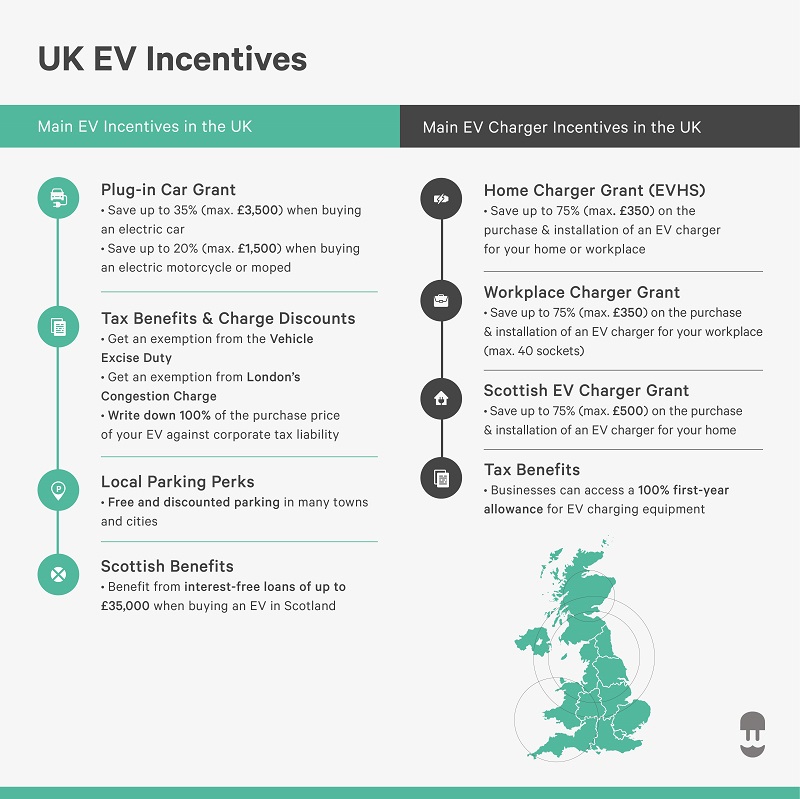
As governments around the world continue to encourage the adoption of electric vehicles (EVs), incentives have become a crucial factor in making these eco-friendly cars more accessible to the masses. The European Union’s incentive scheme, which began in 2019, offers significant savings on the purchase of eligible EVs. In this article, we’ll explore the incentives for electric cars and hybrid vehicles, as well as the malus system that penalizes polluting cars.
Understanding the Bonus-Malus System
The bonus-malus system is a complex incentive scheme designed to encourage environmentally friendly car purchases. The system consists of two parts: bonuses and maluses. Bonuses are awarded to eligible cars, while maluses are levied on polluting vehicles. In 2019, the EU introduced a bonus of up to €6,000 for EVs that meet specific emissions standards.
Eligible Electric Cars
The incentive scheme covers a wide range of electric cars from various manufacturers. Some of the most popular models eligible for the bonus include:
- BMW i3: priced from €34,000
- Citroen E-Mehari: priced from €21,300
- Hyundai Kona EV: priced from €31,500
- Kia Soul ECO Electric: priced from €31,000
- Nissan Leaf: priced from €28,700
Additional Incentives for Hybrid Cars
In addition to the bonus-malus system, hybrid cars that meet specific emissions standards are eligible for a separate incentive scheme. The incentives for buying hybrid cars amount to €2,500. Some of the most popular hybrid models included in the scheme are:
- Bmw 225 xe
- Hyundai Ioniq Hybrid plug-in
- Kia Niro plug-in hybrid
- Toyota Prius
The Malus System: Penalties for Polluting Cars
While bonuses incentivize environmentally friendly car purchases, the malus system encourages buyers to opt for cleaner vehicles. The penalty starts from €150 for diesel and gasoline polluting cars, increasing to a maximum of €3,000 for cars that emit the most pollutants.
- The emissions count are harmful
- The tax will be progressive as you increase emissions based on the following scheme:
- 110-120 g/km: €150
- 120-130 g/km: €300
- 130-140 g/km: €400
- 140-150 g/km: €500
- 150-160 g/km: €1,000
- 160-175 g/km: €1,500
- 175-190 g/km: €2,000
- 190-250 g/km: €2,500
-
250 g/km: €3,000
Timeline and Funding
The incentives for electric cars were introduced in January 2019 and are valid until December 31st, 2021. The total amount of funds allocated to incentivize the purchase of electric cars is €300 million.
How to Claim Your Incentive
To claim your incentive, you’ll need to meet certain conditions:
- Purchase an eligible car
- Register the car in your name within six months of purchase
- Meet specific emissions standards
Once you’ve met these conditions, you can submit a claim form to the relevant authorities. The process is relatively straightforward and usually takes a few weeks to complete.
FAQs
- Which cars are eligible for incentives?
- Electric cars with CO2 emissions not exceeding 20 g/km
- Hybrid cars that meet specific emissions standards
- How do I calculate my incentive?
- The bonus-malus system is calculated based on the car’s emissions and the purchase price
- What are the malus penalties for polluting cars?
- The penalty starts from €150 for diesel and gasoline polluting cars, increasing to a maximum of €3,000 for cars that emit the most pollutants
Conclusion
The EU’s incentive scheme for electric cars has been a game-changer for environmentally friendly car buyers. With significant savings on eligible EVs and hybrid cars, it’s never been easier to make the switch to cleaner transportation. While the malus system may seem like a penalty, it encourages buyers to opt for cleaner vehicles and reduces pollution in our cities. By understanding the bonus-malus system and meeting the conditions for your incentive claim, you can enjoy the benefits of environmentally friendly car ownership while also supporting EU’s efforts to reduce emissions.


