
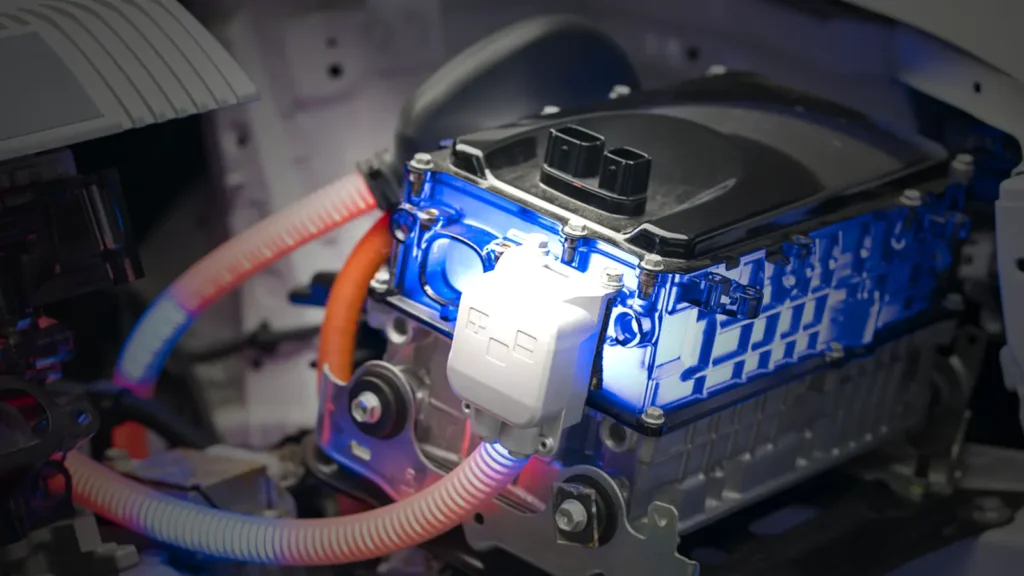
As we venture into the world of electric vehicles, it’s essential to comprehend the battery technology that powers them. Gone are the days when batteries were simple piles; today, they’re sophisticated energy accumulators with immense power and safety features. In this article, we’ll delve into the world of electric vehicle batteries, exploring their types, characteristics, and maintenance requirements.
The Principle of Electric Vehicle Batteries
At its core, an electric vehicle battery is based on the same principle as a traditional lead-acid battery, but with more power and safety considerations. The three primary technologies used in electric vehicles are nickel-metal-hydride (NiMH), lead-gel (PbGel/Silicon), and lithium (Li). Each technology boasts unique characteristics and performance levels.
Nickel-Metal-Hydride Batteries
These batteries were once the norm, but they’re gradually being phased out in favor of lithium-ion batteries. NiMH batteries are suitable for hybrid electric vehicles as an auxiliary power source, providing a short burst of energy to assist the engine. However, their limited range and lower capacity make them less desirable.
Lead-Gel Batteries
Also known as lead-acid batteries with a gel separator, these batteries have undergone recent innovations that enhance their performance. Lead-gel batteries are considered safe and reliable but require periodic additions of water or acid to maintain their lifespan. With a relatively short lifespan of 3-4 years (or approximately 20,000 km), they’re not the most cost-effective option.
Lead-Silicone Batteries
Don’t be fooled by this name; these batteries are indeed lead-acid batteries with a silicon-based gel separator. The term “silicone” might suggest a more advanced technology, but it’s simply an attempt to make them sound lighter and more efficient. In reality, they’re still lead-acid batteries.
Lithium-Ion Batteries
The most modern and widely used battery type, lithium-ion batteries come in various forms, including LiPo (perilous), LiFePO4 (safe and reliable), and LiFeYPO4 (less common). LiFePO4 batteries are considered the best option due to their ability to lose only 5% of capacity per year. They’re essential for electric vehicles, as they provide a high level of performance and safety.
Understanding Cycle Life
A battery’s lifespan is measured in cycles, not years. A cycle represents the process of discharging the battery from 100% to 0%, then recharging it. The more times a battery is discharged and recharged, the shorter its lifespan. To maximize battery life, avoid fully discharging your vehicle.
Capacity of Discharge
A high capacity of discharge indicates that a battery can provide more energy for your electric vehicle’s motor. This feature is crucial for performance and range. A battery with a higher C rating (e.g., 4C or 6C) can handle more current and deliver better results.
Finding Charging Stations
To locate charging stations near you, use our online search tool or download the corresponding app on your smartphone. With this service, you’ll be able to plan your route and charge your vehicle efficiently.
Battery Management Systems (BMS)
Most modern electric vehicles come equipped with a battery management system (BMS). The BMS is responsible for monitoring and controlling the battery’s state of charge, temperature, and voltage levels. It ensures that the battery operates within a safe range, preventing overcharging, undercharging, or overheating.
Thermal Management Systems
Electric vehicle batteries are sensitive to high temperatures, which can affect their performance and lifespan. Thermal management systems (TMS) play a crucial role in regulating the battery’s temperature. These systems use various techniques such as ventilation, cooling, and insulation to maintain an optimal operating temperature range.
Charging Methods
There are several charging methods available for electric vehicles, each with its own advantages and disadvantages:
- Level 1 (120V) Charging: This method uses a standard household outlet and is the slowest form of charging.
- Level 2 (240V) Charging: This method uses a dedicated 240-volt charger and provides faster charging speeds than Level 1.
- DC Fast Charging: This method uses high-power charging to replenish the battery in under 30 minutes.
Range Anxiety
One of the primary concerns for electric vehicle owners is range anxiety – the fear that they won’t have enough energy to reach their destination. To alleviate this concern, many manufacturers offer:
- Predictive Route Planning: This feature allows you to plan your route and estimate your battery’s remaining capacity.
- Range Anxiety Apps: These apps provide real-time information on charging stations, fuel prices, and traffic conditions.
Battery Replacement Costs
The cost of replacing an electric vehicle battery can vary greatly depending on the manufacturer, model, and technology used. On average, a lithium-ion battery replacement costs between $5,000 to $10,000. However, some manufacturers offer free or low-cost battery replacements for their vehicles.
Battery Recycling Programs
As the demand for electric vehicles continues to grow, so does the need for responsible battery recycling programs. Many manufacturers are now offering recycling programs that allow customers to return their old batteries for proper disposal and reuse of materials.
Frequently Asked Questions (FAQs)
- What is the difference between C and 2C ratings on a battery?
The C rating indicates the capacity of discharge, while 2C means twice that amount. - How often should I charge my electric vehicle’s battery?
Try to avoid fully discharging your battery, as this can shorten its lifespan. Instead, aim for partial discharges (50-75%) and top up regularly. - Can I use any type of battery in my electric vehicle?
No, always choose a battery designed specifically for your electric vehicle model to ensure optimal performance and safety. - How do I maintain my lead-acid batteries?
Lead-acid batteries require periodic additions of water or acid to maintain their lifespan. - What is the best type of lithium-ion battery for electric vehicles?
LiFePO4 batteries are considered the safest and most reliable option due to their low self-discharge rate and long lifespan. - Can I recharge my lithium-ion battery more than once per year?
Yes, but it’s recommended to limit the number of full discharges to 50% or less per year to extend its lifespan. - Are electric vehicle batteries recyclable?
Yes, many manufacturers offer recycling programs for their batteries at the end of their life cycle. - How long will my battery last before needing replacement?
The lifespan of your battery depends on various factors, including usage patterns and environmental conditions. Follow proper maintenance guidelines to extend its lifespan.
By now, you should have a solid understanding of electric vehicle batteries and their characteristics. Remember to choose a battery that suits your needs, follow proper maintenance guidelines, and always prioritize safety when working with these powerful energy accumulators.


