
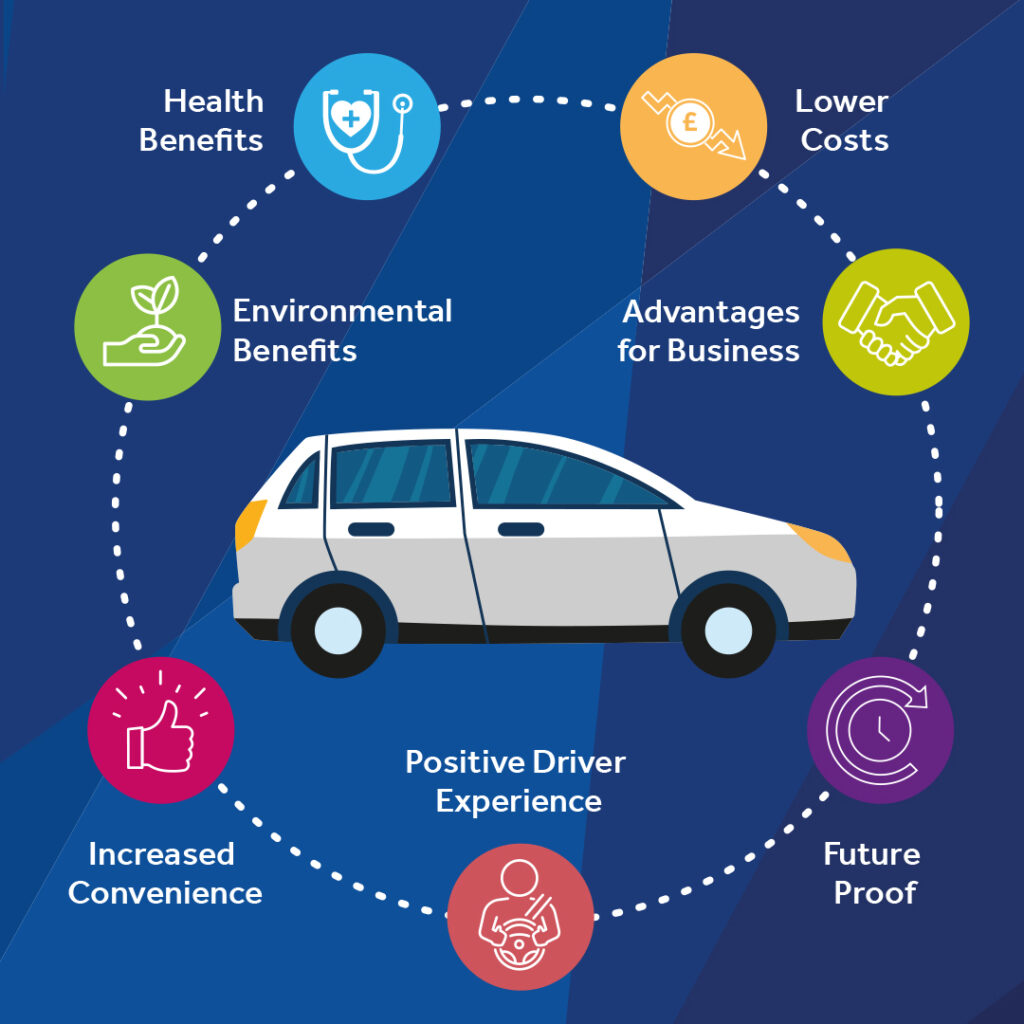
Are you considering purchasing an electric vehicle but still unsure about the benefits? In this article, we’ll explore the advantages of electric vehicles, focusing on the costs of maintenance, charging, and market context in Italy.
Electric Vehicle Advantages
Let’s start with the main advantage: reduced management costs. Here are a few:
- Lower maintenance costs compared to any other internal combustion engine vehicle
- Reduced maintenance costs compared to any conventional gasoline or diesel vehicles
- Significantly lower “fuel” costs
- Exemption from auto tolls for the first 5 years
- Possibility of obtaining discounted insurance coverage (RC auto)
Electric cars run on electricity that can be sourced from the city’s power grid, while conventional cars are driven by expensive fuel (diesel or gasoline). This makes the economic advantage clear. But why do electric vehicles have reduced maintenance costs compared to conventional vehicles? You’ll find some answers in the article “What’s Missing in an Electric Car”.
A study by Quattroruote compared the management costs of 20 different models, including one electric vehicle, and found that electric cars had lower maintenance costs.
For example, the Alfa Romeo Giulietta requires around €1825 for regular maintenance and €1745 for extraordinary maintenance after 120,000 kilometers. The costs of maintaining a gasoline SUV are higher, while a Fiat Panda with an internal combustion engine requires €1973 for regular maintenance and €1189 for extraordinary maintenance.
Now let’s compare the maintenance costs of electric vehicles to those of vehicles running on methane GPL (Gas Powered Liquid Petroleum Gas):
- The Fiat Punto with Methane GPL has maintenance costs of €1956 for regular maintenance and €1313 for extraordinary maintenance.
- The Nissan Micra with Methane GPL has maintenance costs of €1360 for regular maintenance and €1241 for extraordinary maintenance.
In contrast, electric vehicles have much lower maintenance costs:
- A Nissan Leaf requires around €84 per year for regular maintenance.
- A BMW i3 has higher maintenance costs of around €95 per year, but these are significantly lower than those of the BMW i3. Additionally, the replacement cost of wheels on a BMW i3 is much higher, at around €720.
Another advantage of electric vehicles is their reduced environmental impact. They don’t produce emissions or noise pollution, making them a more sustainable choice for drivers.
In addition to these advantages, electric vehicles also have other benefits:
- Access to limited traffic zones
- Free parking on blue stripes (many Italian cities offer free parking for electric vehicles)
- The possibility of deducting the purchase and installation cost of a rapid charging point from your tax return
However, there are some disadvantages associated with electric vehicles:
- Higher upfront costs
While it’s true that Italy has limited public charging stations, many drivers don’t travel more than 100-130 kilometers per day, which is well within the range of most electric vehicles.
Charging: How Does It Work?
Electric cars need to be charged. However, there are different types of charging systems:
- Fast Charging: This type of charging allows for a rapid recharge (up to 50% in less than 30 minutes).
- Supercharging: This is an even faster type of charging (up to 80% in under 10 minutes).
Charging can be done at home, while on the go, or with a public charging station. However, there are some considerations when it comes to charging:
- Public Charging Stations: These vary depending on your location. Italy has many public charging stations along highways and in major cities.
- Home Charging: This is convenient but may require more time for recharging.
However, there are also several benefits of home charging, such as:
- Convenience
- Cost-effectiveness
In addition to these benefits, there are some costs associated with home charging:
- Installation Costs: These can range from €300 to €1000 depending on the location and type of charger.
- Power Consumption: This varies depending on your energy supplier and usage patterns.
Market Context in Italy
Italy has a thriving electric vehicle market. Many car manufacturers have electric models available, including well-known brands like Ferrari, Lamborghini, and Fiat.
In addition to these advantages, there are also some challenges associated with the Italian electric vehicle market:
- Limited Public Charging Stations: While there are many public charging stations along highways and in major cities, they can be scarce in other areas.
- Higher Upfront Costs: Electric vehicles can be more expensive than their conventional counterparts.
However, there are also some government incentives available to help offset these costs:
- Tax Incentives: These vary depending on the type of electric vehicle and your location. For example, you may be able to claim a tax deduction for the purchase and installation cost of a rapid charging point.
- Subsidies: Some regions in Italy offer subsidies for the purchase of electric vehicles.
Conclusion
Electric vehicles are gaining popularity worldwide, but their adoption is still limited in many countries. However, there are several advantages associated with electric vehicles, including reduced management costs, lower environmental impact, and access to certain traffic zones.
In addition to these benefits, there are also some government incentives available to help offset the higher upfront costs of electric vehicles. While there are some challenges associated with the Italian electric vehicle market, such as limited public charging stations, there are many resources available to help drivers navigate these issues.
If you’re considering purchasing an electric vehicle but still unsure about the benefits, we hope this article has provided a comprehensive overview of the advantages and costs of electric vehicles in Italy.


