
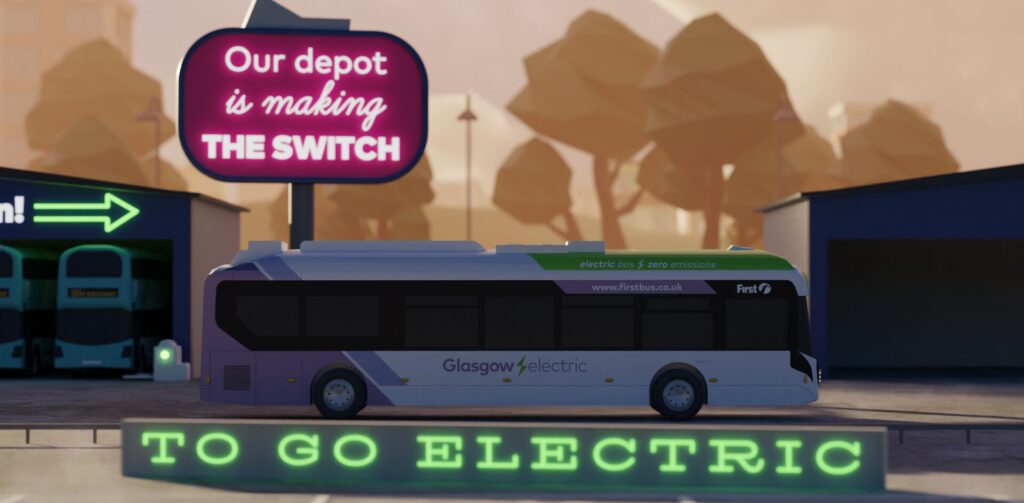
The Future of Public Transportation: Electric Buses
As the world shifts towards a more sustainable future, one thing is clear: the transportation sector needs to undergo a significant transformation. One potential game-changer is the adoption of electric buses, which are already gaining traction in various parts of the globe.
What’s Driving the Adoption of Electric Buses?
While Italy may still be lagging behind in terms of electrification, other countries have made significant strides in this area. In fact, many cities and towns have already introduced electric buses as part of their public transportation systems. For instance, in Rome’s historic center, small electric buses powered by advanced batteries developed by the Italian company FIAMM are being used to transport passengers.
In Germany, a pilot project has been underway for several years, with the goal of making the country a leader in sustainable mobility. The project, which was funded by the German government, aims to develop and deploy new technologies that will reduce emissions and improve air quality.
How Do Electric Buses Work?
Electric buses operate on a similar principle as traditional fossil-fuel-powered vehicles, but with a key difference: they’re powered by electricity instead of gasoline or diesel. The bus’s electric motor is charged by an external power source, such as a charging station or a wireless charger.
To give you a better understanding of how it works, let’s consider the example of California, which has implemented a rapid-charging system for electric buses. In just 10 minutes, the bus can recharge its batteries to full capacity, allowing it to continue running without interruption.
The Benefits of Electric Buses
So what makes electric buses so attractive? Here are just a few benefits:
- Zero Emissions: Electric buses produce no emissions, reducing air pollution and greenhouse gas emissions.
- Lower Operating Costs: Electric buses require less maintenance than traditional fossil-fuel-powered vehicles, resulting in lower operating costs for public transportation systems.
- Improved Energy Efficiency: Electric buses convert about 60-70% of the electrical energy from the grid to power the wheels, while gasoline-powered buses only convert about 20% of the energy in gasoline to power the wheels.
Real-World Examples
Electric buses are already being used in various parts of the world. In Utah, for example, there’s a fleet of electric buses that use wireless charging technology to recharge their batteries during stops. The first such bus was launched in 2012 and is now part of a larger fleet of vehicles.
Similarly, in Switzerland and England, electric buses are being used as part of public transportation systems, demonstrating the potential for widespread adoption of this technology.
The Future of Electric Buses
While there’s still work to be done, the trend towards electrification of public transportation is gaining momentum. As more cities and towns adopt electric buses, we can expect to see significant reductions in emissions and improvements in air quality.
So what does the future hold for electric buses? One thing is certain: it’s a bright future indeed!
Frequently Asked Questions
Q: Are electric buses safe?
A: Yes, electric buses are just as safe as traditional fossil-fuel-powered vehicles. They have the same safety features, such as airbags and anti-lock braking systems.
Q: How long does an electric bus take to recharge?
A: The time it takes for an electric bus to recharge depends on several factors, including the type of battery used and the charging technology employed. In general, most electric buses can be recharged in under 10 minutes.
Q: Can electric buses run on diesel fuel?
A: No, electric buses are designed to run solely on electricity. While some may use a combination of electricity and diesel power, they do not run on traditional fossil fuels like gasoline or diesel.
Q: Are electric buses more expensive than traditional vehicles?
A: In the short term, yes, electric buses can be more expensive to purchase upfront. However, their lower operating costs over time make them a more cost-effective option in the long run.
Q: Can electric buses be used for long-distance travel?
A: Yes, electric buses are suitable for long-distance travel. In fact, some companies have already introduced electric buses that can cover distances of up to 500 miles on a single charge.
Challenges and Limitations
While the adoption of electric buses is gaining momentum, there are still several challenges and limitations that need to be addressed:
- Infrastructure: The availability of charging infrastructure for electric buses is a major concern. In many cities, there may not be enough charging stations to support widespread adoption.
- Cost: While electric buses can save money in the long run, they can be more expensive to purchase upfront than traditional fossil-fuel-powered vehicles.
- Range and Charging Time: The range of electric buses can vary depending on factors such as battery type, charging technology, and usage patterns. While some electric buses can cover distances of up to 500 miles on a single charge, others may have shorter ranges.
Overcoming the Challenges
To overcome the challenges and limitations associated with electric buses, several solutions are being explored:
- Innovative Charging Technologies: New charging technologies, such as wireless charging and fast-charging systems, are being developed to support the widespread adoption of electric buses.
- Investment in Infrastructure: Governments and private companies are investing heavily in infrastructure development to support the growth of electric bus fleets.
- Research and Development: Continuous research and development efforts are underway to improve the range, efficiency, and cost-effectiveness of electric buses.
Conclusion
The future of public transportation is bright, with electric buses offering a sustainable and cost-effective alternative to traditional fossil-fuel-powered vehicles. While there are still challenges and limitations associated with electric buses, solutions are being explored to overcome these barriers. As more cities and towns adopt electric buses, we can expect to see significant reductions in emissions and improvements in air quality.
Key Takeaways
- Electric buses offer a sustainable and cost-effective alternative to traditional fossil-fuel-powered vehicles.
- Zero-emission production and operation reduce greenhouse gas emissions and improve air quality.
- Improved energy efficiency converts about 60-70% of the electrical energy from the grid to power the wheels.
Sources
- International Energy Agency. (2020). Electric Buses: A Guide for Policymakers.
- European Commission. (2019). Electric Vehicles in Europe.
- California Air Resources Board. (2022). Electric Vehicle Charging Infrastructure.


