
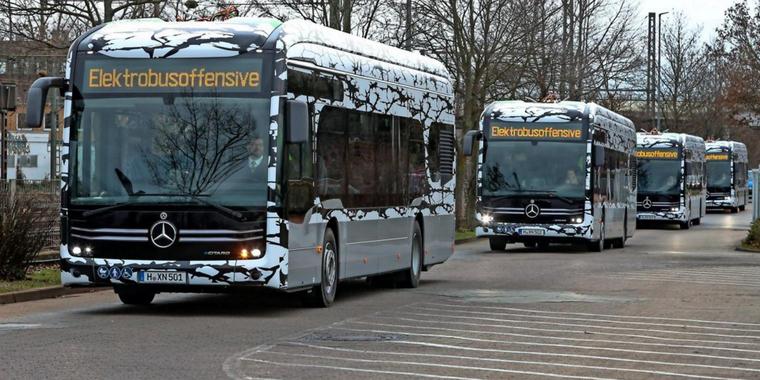
As the world shifts towards a more sustainable future, a new innovation is taking shape in the transportation sector. Wireless charging technology is being put to the test, and while Italy watches, Germany is moving forward with exciting developments. The adoption of electric buses has become a priority for many countries, including Germany, as they strive to reduce their carbon footprint and meet increasingly stringent environmental regulations.
Crossing into Italy Reveals Electric Vehicles
Crossing into Italy reveals that electric vehicles are an established reality. In France, car-sharing services for EVs are abundant, frequent charging stations can be found in the Netherlands, and electric buses have become a norm in Germany. Estonia has launched a network of rapid-charging stations (one every 60 kilometers!), Norway is set to convert its entire transportation system to electric, and solar-powered charging is being used overseas.
This progress isn’t limited to just these examples. In Germany, a project called Primove Mannheim aims to utilize electric buses that recharge during normal operation using wireless technology. As passengers board and exit the bus at designated stops, the vehicle refills its batteries with impressive efficiency.
Financing and Goals
The project has been funded by the German government with a €3.3 million investment. The goal is to make Germany the leader in e-mobility. Electric mobility offers numerous benefits, and the Germans are determined to maximize these advantages, especially when it comes to public transportation.
This approach is part of a larger strategy to experiment with innovative technologies that will provide an urban, sustainable public transportation system. Similar projects can be found across German territory, and today’s tests are the future we’re looking forward to.
Introduction to Wireless Charging Technology
Wireless charging technology has been gaining traction in recent years, and it’s now being applied to electric buses. This innovative approach offers several benefits over traditional methods of recharging.
One key advantage is convenience, as passengers don’t need to physically interact with the bus or find a designated charging point. Instead, they simply board the vehicle and let the bus recharge during its usual operation.
Another benefit is efficiency, as wireless charging technology can optimize the amount of energy stored in the batteries. This means that electric buses can travel longer distances without needing to be recharged, reducing emissions and improving overall performance.
Challenges and Future Directions
While there are many benefits to using electric buses with wireless charging technology, there are also challenges that need to be addressed. One key concern is ensuring that the infrastructure is in place to support widespread adoption.
This includes deploying sufficient charging stations throughout urban areas, as well as developing a system for managing energy distribution and consumption.
Despite these challenges, experts believe that electric mobility has a bright future ahead of it. With continued investment in research and development, we can expect to see more efficient, convenient, and sustainable transportation options in the years to come.
Electric Buses on Germany’s Roads: A Look at the Future
As we look to the future, one thing is clear: electric buses with wireless charging technology are going to play a significant role. With their convenience, efficiency, and environmental benefits, they’re poised to revolutionize the way we travel.
Germany is taking a leading role in this innovation, and it will be exciting to see how other countries adopt similar technologies. As the world continues to shift towards a more sustainable future, electric buses with wireless charging technology are an important step towards getting there.
Frequently Asked Questions
- What is Primove Mannheim?
Primove Mannheim is a project in Germany that aims to utilize electric buses with wireless charging technology during normal operation. - Who is behind the development of Primove Mannheim?
The project was developed by Carosserie HESS AG, a Swiss company that manufactures electric vehicles. - How does wireless charging technology work on electric buses?
Wireless charging technology uses electromagnetic induction to recharge the batteries of electric buses without physical interaction between the bus and a charging point. - What are the benefits of using electric buses with wireless charging technology?
The benefits include convenience, efficiency, and environmental sustainability. - How does Germany plan to promote e-mobility?
Germany aims to make itself the leader in e-mobility by investing in research and development, as well as deploying infrastructure for widespread adoption. - What are some of the challenges associated with electric buses on German roads?
One key challenge is ensuring that the infrastructure is in place to support widespread adoption, including deploying charging stations throughout urban areas. - How will wireless charging technology impact transportation in Germany?
Wireless charging technology has the potential to revolutionize transportation in Germany by providing an efficient, convenient, and sustainable way to travel. - What is the future of electric buses on German roads?
Electric buses with wireless charging technology are poised to play a significant role in Germany’s transportation system, offering a more sustainable and environmentally friendly alternative to traditional methods of recharging.
The Benefits of Electric Buses
Electric buses offer numerous benefits, including reduced emissions, lower operating costs, and improved air quality. By transitioning to electric buses, cities can significantly reduce their environmental impact while also providing a cleaner and healthier transportation option for residents.
In addition to these benefits, electric buses with wireless charging technology can help to reduce the overall cost of public transportation. With the ability to recharge during normal operation, electric buses can travel longer distances without needing to be recharged, reducing the need for frequent stops and refueling.
The Role of Wireless Charging Technology in Electric Buses
Wireless charging technology plays a crucial role in the adoption of electric buses. By providing an efficient and convenient way to recharge batteries, wireless charging technology can help to overcome some of the challenges associated with electric vehicles, such as range anxiety and limited battery life.
In addition to its benefits for electric buses, wireless charging technology also has the potential to revolutionize other forms of transportation, including cars and trains. By providing a seamless and efficient way to recharge batteries, wireless charging technology can help to create a more sustainable and environmentally friendly transportation system.
The Impact on Urban Planning
Electric buses with wireless charging technology have the potential to significantly impact urban planning. By providing an efficient and convenient way to travel, electric buses can help to reduce congestion and improve air quality in urban areas.
In addition to these benefits, electric buses with wireless charging technology can also help to create more sustainable and environmentally friendly urban spaces. By reducing emissions and improving air quality, electric buses can help to create healthier and more livable cities.
Conclusion
The rise of electric buses on Germany’s roads is an exciting development that has the potential to revolutionize the way we travel. With their convenience, efficiency, and environmental benefits, electric buses with wireless charging technology are poised to play a significant role in creating a more sustainable and environmentally friendly transportation system.
As other countries begin to adopt similar technologies, it will be exciting to see how electric buses continue to evolve and improve. With continued investment in research and development, we can expect to see even more efficient, convenient, and sustainable transportation options in the years to come.


