
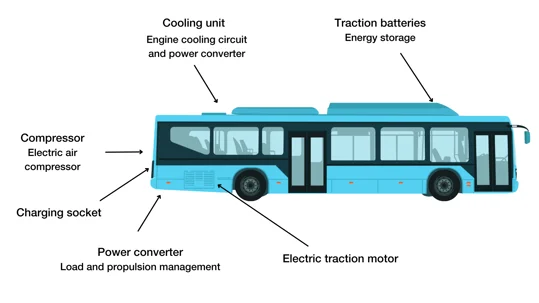
As the European Union sets a target of having one-third of electric buses on the road by 2030, we’re getting closer to achieving this goal. But what exactly are electric buses, and how do they work? In this article, we’ll explore the benefits, functionality, and implementation of electric buses in various cities across Europe.
How Do Electric Buses Work?
Electric buses operate similarly to hybrid cars, but with a few key differences. The primary source of power is electricity stored in batteries, which can be replenished from external sources like charging stations or even solar panels integrated into the bus itself. Unlike gasoline-powered vehicles, electric buses don’t require frequent refueling and produce zero tailpipe emissions.
The process begins when the bus starts moving, and the engine begins to generate electricity through regenerative braking and motor assist. This energy is stored in the batteries during braking and acceleration phases, allowing the bus to travel farther on a single charge. As the bus travels, it also recovers energy from the road surface through kinetic energy harvesting.
Benefits of Electric Buses
Electric buses offer several advantages over traditional fuel-powered vehicles:
- Zero Emissions: Electric buses produce no tailpipe emissions, reducing air pollution and greenhouse gas emissions in urban areas.
- Lower Operating Costs: With electricity being generally cheaper than gasoline, electric buses can save operators money on fuel costs.
- Silent Operation: Electric buses are much quieter than traditional vehicles, making them ideal for noise-sensitive areas like city centers.
- Improved Performance: Electric buses tend to have a smoother acceleration and better fuel efficiency due to the instant torque provided by electric motors.
European Implementation
The European Union has set ambitious targets for electric bus adoption, with member states striving to reach one-third of their public transport fleet by 2030. To achieve this goal, many cities are investing heavily in electric bus infrastructure and promoting sustainable transportation practices.
Some notable examples include:
- Denmark: Copenhagen aims to have 100% electric buses on the road by 2030, with plans to install high-speed charging stations along major routes.
- Netherlands: The Netherlands has already implemented extensive electric bus fleets in cities like Amsterdam and Rotterdam, with plans to expand further.
- Sweden: Gothenburg became the first city in the world to operate solely on electric buses, powered by Volvo’s green energy solutions.
Challenges and Limitations
Despite the many benefits of electric buses, there are still several challenges and limitations to consider:
- Battery Costs: While battery costs have decreased significantly over the years, they can still be a major expense for operators.
- Charging Infrastructure: Widespread adoption of electric buses will require extensive charging infrastructure, which can be expensive and logistically challenging to install.
- Range Anxiety: Electric buses can suffer from range anxiety, particularly in areas with limited charging infrastructure.
- Recycling: As the demand for batteries increases, there is a growing need for sustainable recycling practices.
Future Developments
As we move towards a more sustainable future, electric buses are playing an increasingly important role. To overcome the challenges and limitations mentioned earlier, researchers and manufacturers are working on several innovative solutions:
- Solid-State Batteries: Solid-state batteries promise to increase energy density, reduce costs, and improve safety.
- Fast Charging Technology: Fast charging technology can significantly reduce charging times, making electric buses more practical for long-distance travel.
- Smart Charging Systems: Smart charging systems can optimize energy usage and reduce strain on the grid.
- Recycling Innovations: Recycling innovations, such as closed-loop recycling systems, can help minimize waste and ensure sustainable battery production.
Case Studies
Here are a few case studies that demonstrate the effectiveness of electric buses in various cities across Europe:
- Copenhagen: Copenhagen aims to have 100% electric buses on the road by 2030, with plans to install high-speed charging stations along major routes.
- Amsterdam: Amsterdam has implemented an extensive electric bus fleet, with over 150 buses already in operation. The city aims to increase its fleet to 600 buses by 2025.
- Rotterdam: Rotterdam has introduced a pilot program for electric buses, with a goal of increasing the proportion of electric buses on the road to at least 50% by 2030.
Conclusion
As we move towards a more sustainable future, electric buses are playing an increasingly important role in reducing greenhouse gas emissions and improving air quality. With continued investment in infrastructure and technology, we can expect to see even more efficient and environmentally friendly public transportation options on the horizon. Whether it’s Copenhagen aiming for 100% electric buses by 2030 or Amsterdam increasing its fleet to 600 electric buses by 2025, the future of urban transportation looks brighter than ever.
Frequently Asked Questions
- What is the primary source of power for electric buses?
- Electricity stored in batteries
- Do electric buses produce any emissions?
- Zero tailpipe emissions, but may still produce some noise
- How do electric buses recover energy from the road surface?
- Through kinetic energy harvesting during braking and acceleration phases
- What is the expected range of an electric bus on a single charge?
- Varies depending on factors like battery size, driving habits, and terrain
- Will electric buses replace traditional fuel-powered vehicles entirely?
- Likely in the long term, but may take several decades to achieve widespread adoption
Conclusion
In conclusion, electric buses are an increasingly important part of a sustainable future for urban transportation. With continued investment in infrastructure and technology, we can expect to see even more efficient and environmentally friendly public transportation options on the horizon. Whether it’s Copenhagen aiming for 100% electric buses by 2030 or Amsterdam increasing its fleet to 600 electric buses by 2025, the future of urban transportation looks brighter than ever.


