
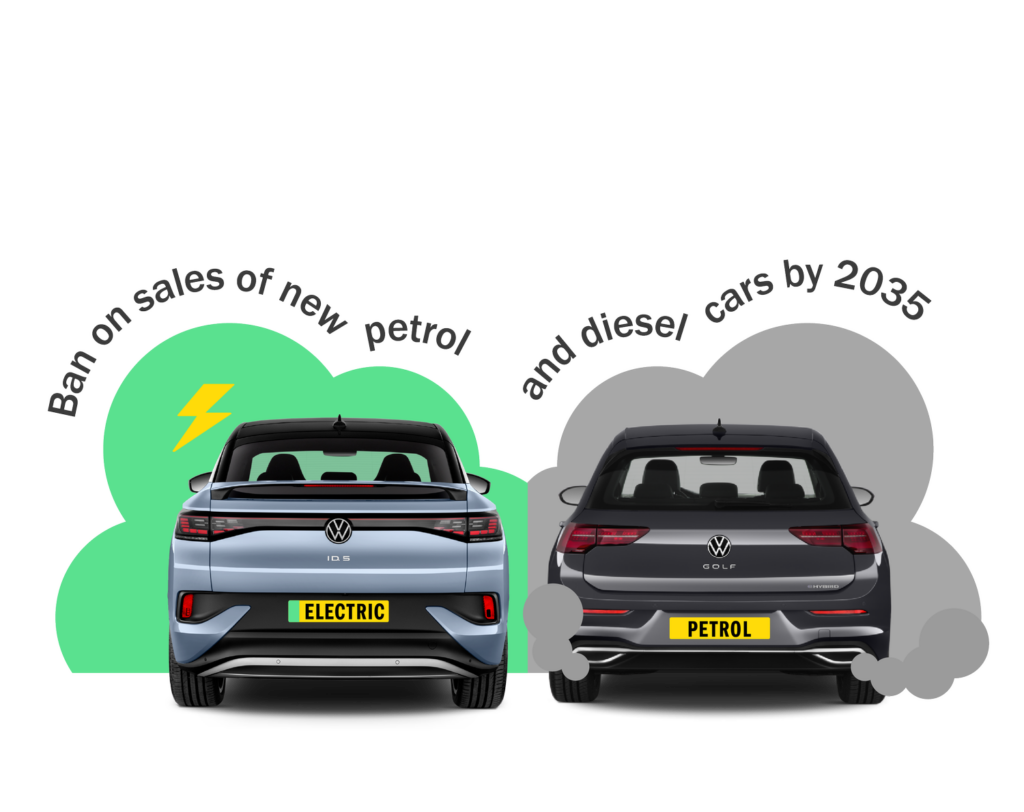
As the world shifts towards a more sustainable future, the automotive industry is facing a significant transformation. With the rise of electric vehicles (EVs), the conventional wisdom about cars and insurance is being challenged. In this article, we’ll delve into the differences between EVs and gasoline-powered cars, exploring how they impact insurance costs and policies.
The Main Differences: A Comprehensive Comparison
When comparing EVs to gasoline-powered cars, several key factors come into play:
- Cost: While EVs have a higher upfront cost, their operating expenses are significantly lower due to electricity being a more economical fuel source.
- Performance: EVs offer impressive acceleration and responsiveness thanks to the instant torque provided by electric motors.
- Environmental Impact: EVs produce zero tailpipe emissions, reducing greenhouse gas emissions and air pollution in urban areas.
- Maintenance: EVs require less maintenance than their gasoline-powered counterparts, with fewer moving parts and no oil changes needed.
Insurance for Electric Vehicles: What’s Changed?
As the popularity of EVs grows, so do the insurance implications. Here are some key differences between EV insurance and traditional gasoline-powered car insurance:
- Discounts: Many insurance companies offer discounts on EV policies due to their lower emissions and maintenance costs.
- Battery Damage Coverage: Some insurers provide separate coverage for battery damage, recognizing that batteries can fail over time.
- Regenerative Braking: Insurers may need to account for the increased wear and tear caused by regenerative braking in EVs.
Vantages of Electric Vehicles: More than Just Environmental Benefits
While EVs have a range of environmental benefits, they also offer several economic advantages:
- Exemption from Vehicle Registration Fees: In many places, EVs are exempt from vehicle registration fees for up to five years.
- Lower Operating Costs: With electricity being a more economical fuel source, EV owners can save money on fuel costs over time.
- Access to Special Incentives: Some governments and companies offer incentives, such as tax credits or rebates, to encourage the adoption of EVs.
Conclusion
As the world continues to shift towards a more sustainable future, electric vehicles are becoming an increasingly popular option. While they may present some challenges, their environmental benefits, lower operating costs, and access to special incentives make them an attractive choice for many drivers. By understanding the differences between EVs and gasoline-powered cars, insurance policies can be tailored to meet the unique needs of EV owners.
FAQs
- What is the difference in cost between electric vehicles and gasoline-powered cars?
- Electric vehicles have a higher upfront cost due to the high-tech components needed for their operation. However, they offer significantly lower operating expenses over time.
- Are there any discounts available for electric vehicle insurance?
- Yes, many insurance companies offer discounts on EV policies due to their lower emissions and maintenance costs.
- How do I get a discount on my electric vehicle insurance policy?
- To qualify for discounts, you’ll typically need to provide documentation about your EV’s specifications, such as its make, model, and year of manufacture.
- Can I still purchase liability insurance for my electric vehicle?
- Yes, liability insurance is available for all vehicles, including electric cars. However, the coverage limits may vary depending on the specific policy you choose.
Whether you’re considering an electric vehicle or simply want to better understand the differences between EVs and gasoline-powered cars, this article should have provided valuable insights into their unique characteristics and implications for insurance policies.
In-Depth Analysis of Electric Vehicle Insurance Policies
Electric vehicle insurance policies are becoming increasingly complex, with a range of factors influencing premiums and coverage. Here’s a closer look at the key components:
- Coverage Limits: EV owners can expect to pay higher premiums due to the increased cost of repairing or replacing damaged batteries.
- Battery Health Monitoring: Some insurers offer battery health monitoring services, which track the condition of an EV’s battery over time and provide early warnings of potential issues.
- Specialized Parts Coverage: Insurers may need to account for the unique parts required to repair EVs, such as high-voltage batteries or electric motors.
Challenges in Providing Electric Vehicle Insurance Policies
Insurers are facing several challenges when providing EV insurance policies:
- Limited Data on EV Battery Lifespan: The long-term durability of EV batteries is still a mystery, making it difficult for insurers to accurately assess risk.
- Higher Repair Costs: The cost of repairing or replacing damaged batteries can be prohibitively expensive for some insurers.
- Regulatory Uncertainty: Changes in government regulations and tax laws can impact the insurance landscape.
Conclusion
As the world continues to shift towards a more sustainable future, electric vehicles are becoming an increasingly popular option. By understanding the differences between EVs and gasoline-powered cars, insurance policies can be tailored to meet the unique needs of EV owners. This includes coverage for battery damage, regenerative braking, and specialized parts. While there are challenges in providing EV insurance policies, the benefits of offering these policies far outweigh the drawbacks.
Recommendations for Electric Vehicle Owners
As an electric vehicle owner, here are some recommendations to keep in mind:
- Research Insurance Providers: Compare insurance quotes from multiple providers to find the best coverage options.
- Consider Specialized Parts Coverage: Some insurers offer specialized parts coverage that can provide peace of mind for EV owners.
- Take Advantage of Discounts: Many insurance companies offer discounts on EV policies due to their lower emissions and maintenance costs.
By understanding the unique characteristics of electric vehicles and the implications for insurance policies, EV owners can make informed decisions about their coverage. Whether you’re looking to save money or simply want to protect your investment, this article should have provided valuable insights into the world of electric vehicle insurance.


