
The Fascinating World of Egyptian Onion: A Guide to Its Properties, Cultivation, and Recipes
Introduction
The Egyptian onion, also known as the “Egyptian tree onion” or “marching onion,” is a rare and exotic vegetable that is primarily grown in Liguria, Italy. Despite its name, the origins of this type of onion are shrouded in mystery, with some speculating that it may have originated from ancient Egyptian culture. In this article, we will delve into the properties, cultivation, and culinary uses of the Egyptian onion, a truly unique and fascinating vegetable.
History and Origins
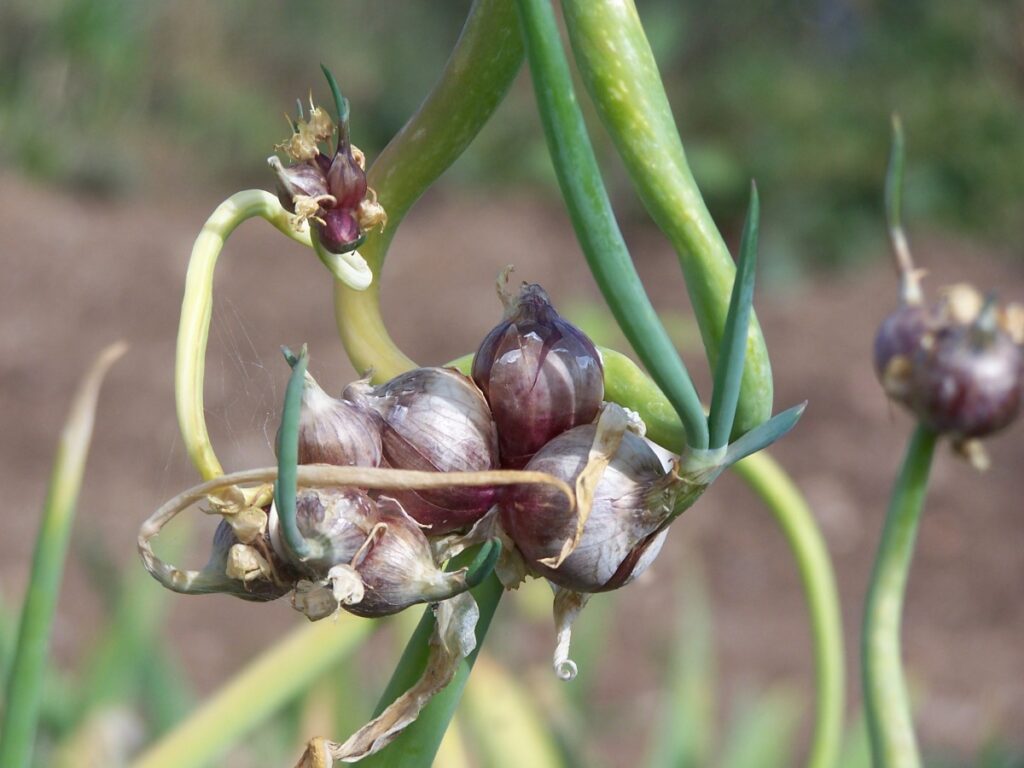
The Egyptian onion’s scientific name, Allium cepa proliferum, reveals its prolific nature. When planted, it produces aerial bulbs that can grow every year, with subsequent harvests resulting in exponential production increases. However, despite its rich history, the true origins of this onion are still unknown.
Legend has it that Egyptian onions were first cultivated by ancient Egyptian farmers who discovered their unique properties. These early farmers would carefully tend to the onions and use them in a variety of dishes, from salads to soups. Over time, the Egyptians developed a sophisticated system for cultivating and harvesting the onions, which allowed them to thrive in even the most challenging environments.
Properties and Health Benefits
The Egyptian onion has been cultivated in China for centuries, where scientists have discovered that it contains a unique enzyme called alliinase, which stimulates the trigeminal nerve in humans. This property is essential for maintaining healthy gums and preventing dental problems. Additionally, the Egyptian onion is rich in vitamins C and K, as well as minerals like calcium, phosphorus, iodine, and fluoride.
Studies have also shown that the Egyptians onion has anti-inflammatory properties, which can help to reduce the risk of chronic diseases such as heart disease and cancer. Furthermore, the onions contain a variety of antioxidants, including polyphenols and flavonoids, which can help to protect against oxidative stress and cell damage.
Culinary Uses
Despite its rarity, the Egyptian onion is a versatile ingredient that can be used in a variety of dishes. When harvested before full maturity, the bulbs are ideal for pickling or using in salads. They can also be consumed raw, providing a delicate flavor when used as a condiment or added to pasta dishes.
In addition to these uses, Egyptians onions can also be roasted or sautéed with garlic and herbs to create a flavorful sauce that pairs well with meats, vegetables, and grains. The onions are particularly well-suited for Asian-inspired cuisine, where they can be used in stir-fries and noodle dishes.
Cultivation and Care
To cultivate Egyptian onions, choose a sunny location with well-draining soil. Water sparingly, especially during hot summer months, as the onion is sensitive to overwatering. Do not fertilize excessively, as this can lead to weak growth. However, do note that the onion is relatively pest-resistant, but watch out for pests like slugs and snails.
To encourage healthy growth, Egyptian onions should be planted in late spring or early summer, when the soil has warmed up to at least 60°F (15°C). Planting in well-draining soil with a pH between 6.0 and 7.0 will also help to promote healthy growth and prevent disease.
Pests and Diseases
Slugs and snails are the main pests affecting Egyptian onions. To manage these pests, use copper-based barriers or plant companion plants like garlic and chives. The onion itself is also susceptible to disease, particularly when exposed to extreme temperatures.
Fungal diseases such as botrytis and fusarium can be controlled by providing good air circulation and removing infected plants. Additionally, the onions should be watered carefully to avoid splashing water onto the bulbs, which can lead to fungal infections.
Harvesting and Storage
The ideal time for harvesting aerial bulbs is in late spring, while the bulbs are still green. However, you can also harvest the entire bulb at any stage of maturity. When storing, allow some onions to remain in the ground to reproduce for the next season’s crop.
To store Egyptian onions, choose a cool, dry location with good ventilation. The onions should be stored separately from other vegetables to prevent moisture and pests from transferring between them. Freshness can be maintained by keeping the onions away from light sources and avoiding over-handling.
Conclusion
In conclusion, the Egyptian onion is a unique and fascinating vegetable with numerous health benefits and culinary applications. Its ability to grow aerial bulbs makes it an attractive addition to gardens. By following these guidelines for cultivation and care, you can enjoy this remarkable onion for years to come.
Recommendations for Growing Egyptian Onions:
- Plant Egyptian onions in well-draining soil with a pH between 6.0 and 7.0.
- Provide good air circulation and remove infected plants to control disease.
- Water sparingly during hot summer months, but avoid overwatering.
- Use copper-based barriers or plant companion plants like garlic and chives to manage pests.
- Harvest aerial bulbs in late spring while they are still green, or harvest the entire bulb at any stage of maturity.
Benefits of Eating Egyptian Onions:
- Stimulates the trigeminal nerve and promotes healthy gums.
- Rich in vitamins C and K, as well as minerals like calcium, phosphorus, iodine, and fluoride.
- Has anti-inflammatory properties to reduce the risk of chronic diseases.
- Contains antioxidants that protect against oxidative stress and cell damage.
Conclusion
In conclusion, the Egyptian onion is a truly unique and fascinating vegetable with numerous health benefits and culinary applications. By following these guidelines for cultivation and care, you can enjoy this remarkable onion for years to come. Whether you are a seasoned gardener or a newcomer to gardening, the Egyptian onion is an excellent choice for anyone looking to add some excitement to their garden.
Frequently Asked Questions (FAQs)
Q: What are the potential health benefits of consuming Egyptian onions?
A: Egyptian onions contain a unique enzyme called alliinase, which stimulates the trigeminal nerve in humans. They are also rich in vitamins C and K, as well as minerals like calcium, phosphorus, iodine, and fluoride.
Q: How do I care for Egyptian onions when cultivating them?
A: Egyptian onions prefer sunny locations with well-draining soil. Water sparingly, especially during hot summer months, and avoid excessive fertilization.
Q: What are the common pests affecting Egyptian onions?
A: Slugs and snails are the primary pests affecting Egyptian onions. Companion plants like garlic and chives can help deter these pests.
Q: Can I store Egyptian onions for a long time?
A: Yes, you can store Egyptian onions in a cool, dry place or in the refrigerator to maintain their freshness for several months.
Q: How do I use Egyptian onions in cooking?
A: Egyptian onions are versatile and can be used raw or cooked. They pair well with other vegetables and herbs, making them an excellent addition to salads, pasta dishes, and more.
Q: Are there any specific recipes that showcase the unique flavor of Egyptian onions?
A: Yes, one recommended recipe is a simple Egyptian onion dish where you roast the bulbs in the oven and combine them with cheese, then grill until golden brown.


