
As consumers, we often find ourselves wondering what’s behind the eggshell we crack open for breakfast. From the type of feed our chickens eat to the living conditions they’re raised in, there are many factors that go into determining the quality and origin of an egg. In this article, we’ll delve into the world of egg classification, exploring the different types of eggs available and what sets them apart.
Understanding Egg Classification
Egg classification is a complex process that takes into account several factors, including the type of farm or facility where the hens are raised, the quality of the feed they’re given, and even the size and shape of the egg. The main categories of egg classification include:
- Biological eggs: These eggs come from hens that have access to the outdoors and are fed a diet of organic matter.
- Free-range eggs: These eggs come from hens that have access to the outdoors, but may not necessarily be able to roam freely.
- Cage-free eggs: These eggs come from hens that are kept in large groups but do not have access to cages or pens.
- Conventional eggs: These eggs come from hens that are kept in large groups and are often fed a diet of conventional feed.
Egg Classification Codes
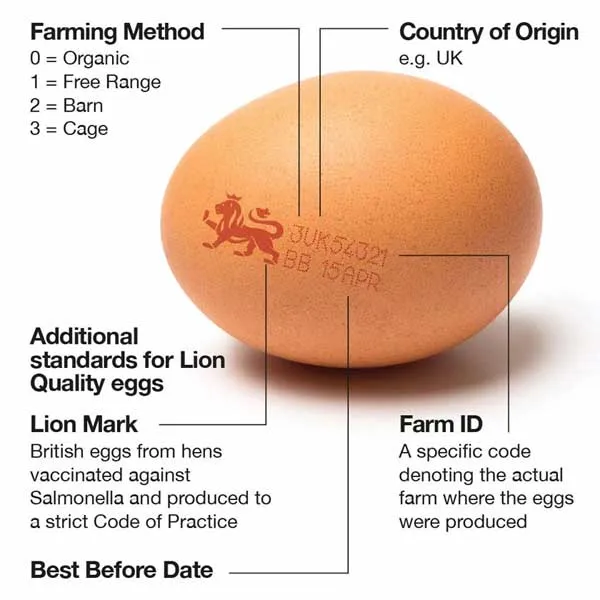
When purchasing an egg, you may notice a code on the packaging or on the eggshell itself. This code can provide valuable information about the type of egg you’re buying. The codes typically include:
- Type of farm: The first digit of the code indicates whether the egg came from a biological farm (0), free-range farm (1), cage-free farm (2), or conventional farm (3).
- National origin: The second digit of the code indicates the country where the eggs were produced.
- State or province: The third digit of the code indicates the state or province in which the eggs were produced.
Egg Size Classification
In addition to the type of egg, there’s also a classification system for egg size. Eggs are typically classified into one of four sizes:
- Jumbo: These eggs weigh 73 grams or more and have a diameter of 64 mm or greater.
- Extra-large: These eggs weigh 63-72 grams and have a diameter of 62-63 mm.
- Large: These eggs weigh 53-62 grams and have a diameter of 60-61 mm.
- Small: These eggs weigh less than 53 grams and have a diameter of 59 mm or less.
Egg Tracing and Tracking
In recent years, there has been an increasing focus on tracing and tracking the origin of food products. This includes eggs, which are often traced from farm to table using unique identification codes. The codes typically include:
- National code: A unique identifier assigned to each egg by the country where it was produced.
- State or province code: A unique identifier assigned to each egg by the state or province where it was produced.
- Farm code: A unique identifier assigned to each farm where the eggs were produced.
Egg Traceability
While tracing and tracking eggs can be beneficial for consumers, it also raises concerns about animal welfare. Some argue that the intensive farming practices required to meet demand for eggs can lead to poor living conditions for hens. Others argue that traceability initiatives can help consumers make informed choices about the food they eat.
Regulations and Standards
Egg classification is regulated by various government agencies and industry organizations around the world. These regulations and standards vary depending on the country or region, but they typically include:
- Animal welfare standards: Regulations governing the treatment of hens in egg production facilities.
- Feed quality standards: Regulations governing the quality of feed provided to hens.
- Environmental standards: Regulations governing the environmental impact of egg production.
Conclusion
Egg classification is a complex process that takes into account many factors, including the type of farm or facility where the hens are raised, the quality of the feed they’re given, and even the size and shape of the egg. By understanding these classifications, consumers can make informed choices about the eggs they buy and support more sustainable farming practices.
Frequently Asked Questions
- What is the difference between biological and free-range eggs?
Biological eggs come from hens that have access to the outdoors and are fed a diet of organic matter. Free-range eggs come from hens that have access to the outdoors, but may not necessarily be able to roam freely. - Why are some eggs labeled as “cage-free”?
Cage-free eggs come from hens that are kept in large groups but do not have access to cages or pens. - Can I find information about egg traceability on the packaging?
Yes, many egg producers provide information about egg traceability on the packaging or website. - What is the difference between jumbo and extra-large eggs?
Jumbo eggs weigh 73 grams or more and have a diameter of 64 mm or greater. Extra-large eggs weigh 63-72 grams and have a diameter of 62-63 mm. - Can I find information about egg size classification on the packaging?
Yes, many egg producers provide information about egg size classification on the packaging or website.
Conclusion
In conclusion, understanding egg classification is crucial for making informed choices about the eggs you buy. By knowing what types of eggs are available and how they’re produced, consumers can support more sustainable farming practices and make healthy choices about their diet.


