
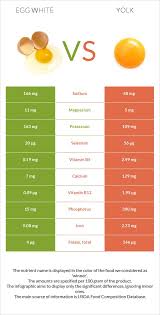
Have you ever wondered what sets egg whites apart from the yolks? While it’s easy to get confused between the two, understanding the properties of egg whites can make a big difference in your cooking and health routine.
What is Egg White?
Let’s start by defining what egg white is. It’s the clear liquid part of an egg, making up about 90% of its volume. But did you know that it’s composed of three layers: two outer liquids and one central, more viscous layer? This unique structure helps protect the yolks from bacterial attacks.
Properties of Egg White
Now, let’s dive into some of the key properties of egg whites:
- Low in Calories: Egg whites are extremely low in calories, making them an excellent choice for those following a low-calorie diet or managing high cholesterol levels.
- Rich in Amino Acids: Egg whites contain essential amino acids like vitamin B6, folate, and vitamin D, which play crucial roles in maintaining overall health.
- Good Source of Minerals: While not abundant, egg whites do contain small amounts of minerals like magnesium, potassium, calcium, iron, and sodium.
Benefits of Egg White
Egg whites offer numerous benefits beyond their nutritional value:
- Improves Muscle Tone: The protein albumin in egg whites can help improve muscle tone, making it a popular choice among athletes.
- Antibacterial Properties: Egg whites have antibacterial properties that can help soothe irritated skin and scalp conditions like dandruff.
- Anti-Inflammatory Effects: The ovomucoid proteins in egg whites can reduce inflammation and alleviate symptoms of conditions like arthritis.
How Much Does Egg White Weigh?
To give you an idea of how much egg white weighs, a single large egg contains approximately 30-32 grams of egg white. To produce one liter of egg white, you’ll need around 33 eggs.
Storing and Handling Egg Whites
When handling egg whites in the kitchen, keep these tips in mind:
- Use within 1 Day: It’s essential to use egg whites within a day or two of purchase for optimal quality.
- Store in Refrigerator: Store egg whites in the refrigerator, either straight away or after being separated from the yolks.
Egg White Options:
If you can’t use fresh egg whites or need them for longer periods, consider these alternatives:
- Pasteurized Egg Whites: These have been heat-treated to kill bacteria and last up to 8-10 weeks.
- Frozen Egg Whites: Can be stored in the freezer for up to a year.
- Dehydrated Egg Whites: Available in powder form and can be reconstituted when needed.
Separating Egg Whites from Yolks
There are several methods to separate egg whites from yolks, including:
- Cracking Open and Separating: A simple method that involves cracking open the egg and separating the white from the yolk.
- Using a Colander: Place the egg in a colander lined with cheesecloth or a clean cloth to catch the yolk while allowing the whites to flow through.
- Adding Water and Centrifuging: This method involves adding water to the egg, then centrifuging it to separate the whites from the yolks.
Using Egg Whites in Cooking
Egg whites can be used in various dishes, such as:
- Baked Goods: Add egg whites to baked goods like cakes, meringues, and cookies for added structure and moisture.
- Salad Dressings: Whisk together egg whites with vinegar or lemon juice to create a creamy salad dressing.
- Omelets and Crepes: Use egg whites as the sole ingredient in omelets or crepes for a lighter, fluffier texture.
Egg White Benefits Beyond Cooking
Beyond their culinary uses, egg whites offer several health benefits:
- Skin Soother: Egg whites can be applied directly to irritated skin to soothe and calm it.
- Hair Treatment: Whip up an egg white mixture with water as a hair treatment to add protein and strength.
- Makeup Remover: Use egg whites as a gentle makeup remover due to their ability to break down and dissolve oils.
Interesting Facts About Egg Whites
Here are some interesting facts about egg whites:
- Egg whites can be used as a natural adhesive, binding various materials together.
- They can also serve as a thickening agent in sauces and dressings, making them an excellent addition to recipes.
- Egg whites have antimicrobial properties that make them useful for preserving food.
Precautions and Side Effects
While egg whites are generally considered safe to consume, there are some precautions and potential side effects to be aware of:
- Allergic Reactions: Some people may be allergic to egg whites, which can cause symptoms like itching, hives, or difficulty breathing.
- Overconsumption: Consuming excessive amounts of egg whites can lead to an imbalance of certain nutrients in the body.
Conclusion
Egg whites are a nutrient-rich ingredient that offers numerous benefits beyond their culinary uses. From improving muscle tone and skin health to serving as a natural adhesive and thickening agent, egg whites are a versatile and valuable component of many recipes and household applications. By understanding their properties, nutritional value, and potential side effects, you can unlock the full potential of these amazing eggs


