
The Efficient Solar Systems (SES) concept has revolutionized the way we think about solar energy. No longer must homeowners purchase an entire solar panel system from a third-party company, only to pay exorbitant rates for the electricity they produce. With SES, the solar panel installation owner can now sell the generated electricity directly to the homeowner at a significantly lower rate than what they would pay if they purchased it from the grid.
The Genesis of Efficient Solar Systems
In December 2013, the Italian Authority for Energy (Autorità per l’Energia) cleared the path for SES by issuing a decree. This marked a significant turning point in the history of solar energy, enabling entrepreneurs to capitalize on this innovative concept. The Italian government recognized the potential of SES and provided regulations that made it possible for companies to create and sell these systems.
The Rise of Efficient Solar Systems
In recent years, SES has gained popularity worldwide, with many countries adopting similar models. The growth of SES is attributed to its economic benefits, which are more accessible than traditional solar panel installations. Homeowners can significantly reduce their energy bills by leveraging the electricity generated from their solar panels, while entrepreneurs can create sustainable businesses without relying on incentives.
How Efficient Solar Systems Work
Here’s how it works: a company installs a solar panel system on a client’s roof and, under a contractual agreement, commits to supplying the homeowner with a predetermined amount of electricity at a fixed rate. The system remains the property of the installation company, but they are responsible for managing the entire setup. This includes routine maintenance, repairs, and any necessary upgrades.
The beauty of SES lies in its economic benefits. Homeowners can significantly reduce their energy bills by leveraging the electricity generated from their solar panels. This is made possible because the energy produced and consumed within an SES is exempt from network and system charges. As a result, homeowners can save thousands of euros on their annual energy expenses.
Eligible Energy Sources
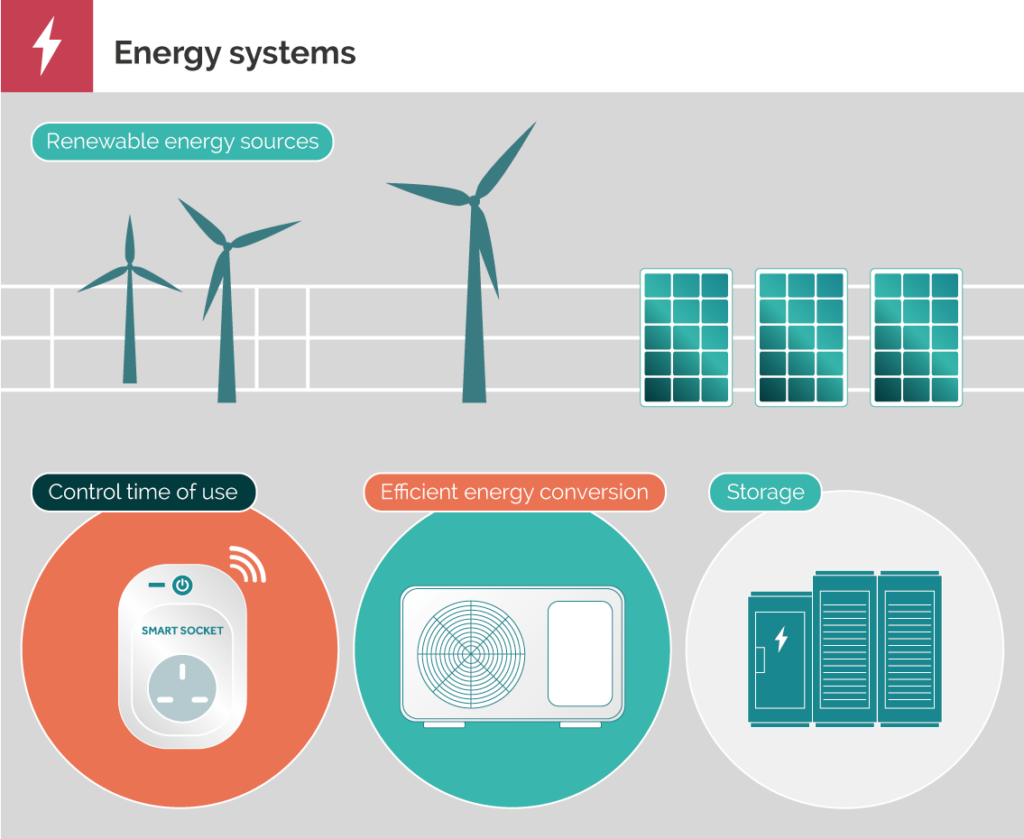
While photovoltaic (PV) systems are the most prominent example of SES, they are not the only game in town. According to the regulations, SES can be powered by other renewable sources like wind turbines or cogeneration plants with high efficiency ratings. However, there are strict limitations on the total power output: it cannot exceed 20 megawatts (Mwe). These systems must be managed by a single producer and directly connected to the homeowner’s unit via a private link.
The Benefits of SES
SES offers numerous benefits for homeowners and entrepreneurs alike:
- Reduced energy bills: Homeowners can significantly reduce their energy bills by leveraging the electricity generated from their solar panels.
- Increased revenue streams: Entrepreneurs can create sustainable businesses without relying on incentives, as they can sell excess energy produced by their SES systems to homeowners at a fixed rate.
- Improved management: The installation company is responsible for managing the entire setup, including routine maintenance, repairs, and any necessary upgrades.
- Enhanced sustainability: SES promotes sustainable practices and reduces reliance on non-renewable energy sources.
The Business Model of Efficient Solar Systems
The innovative business model of SES has garnered attention from experts like Luca Zingale, director scientifico at Solarexpo. In an interview at the recent Milan trade fair, Zingale highlighted the potential for SES models in Italy. With Italy’s favorable solar irradiance and high electricity costs, SES presents a viable opportunity for households to reduce their energy bills.
“SES represents a more complex but feasible approach to solar energy,” Zingale emphasized. “It offers a way for entrepreneurs to create sustainable businesses without relying on incentives.”
Case Studies
Several companies have successfully implemented SES systems worldwide:
- In Italy, the company Enea has developed an innovative SES system that combines solar panels with advanced energy storage solutions.
- In Germany, the company EnBW has launched a nationwide SES initiative, providing homeowners with access to renewable energy and reducing their energy bills.
- In Australia, the company Sunrun has implemented SES systems for homes across the country, promoting sustainable practices and reducing reliance on non-renewable energy sources.
Conclusion
The Efficient Solar Systems concept has unlocked new opportunities for homeowners and entrepreneurs alike. By harnessing the power of solar energy, households can significantly reduce their expenses while contributing to the growth of sustainable industries. As SES continues to gain popularity worldwide, it is essential to recognize its potential benefits and limitations.
Frequently Asked Questions
- What is an Efficient Solar System?
An Efficient Solar System (SES) is a system where a company installs a solar panel installation on a client’s property and commits to supplying them with electricity at a fixed rate. - How does SES work?
The homeowner owns the solar panels, but they are managed by the installation company under a contractual agreement. - Can I use any renewable energy source for my SES?
According to regulations, SES can be powered by photovoltaic systems or other renewable sources like wind turbines or cogeneration plants with high efficiency ratings. - What is the maximum power output for SES?
The total power output cannot exceed 20 megawatts (Mwe). - Can I sell excess energy produced by my SES to the grid?
No, according to regulations, all electricity generated and consumed within an SES remains exempt from network and system charges. - Are there any incentives available for SES installations?
While not required, many homeowners and entrepreneurs may still be eligible for incentives or subsidies when installing SES systems. - What is the typical cost of purchasing a solar panel system from a third-party company?
The costs can vary widely depending on factors like location, size, and installation company, but expect to pay between 2.5 to 3 times more than with an SES setup. - Can I create my own SES business without incentives?
Yes, according to Luca Zingale, SES models can be viable even without government support, as the savings for homeowners and revenue streams for entrepreneurs can be substantial.
By understanding the benefits and limitations of SES, households and entrepreneurs can make informed decisions about investing in these innovative systems.


