
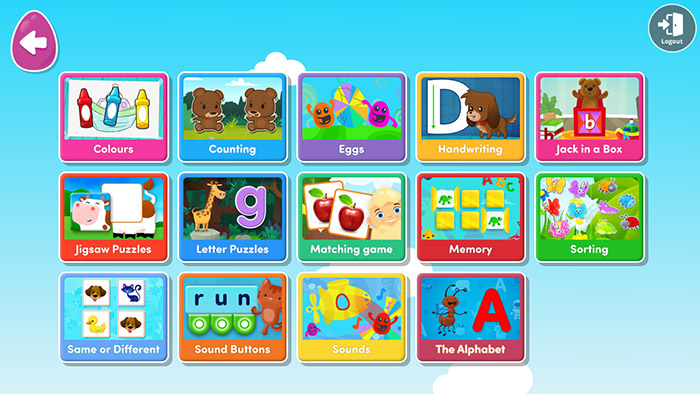
As a parent, it’s natural to want the best for your child. One way to provide them with a solid foundation for success is by introducing them to educational toys. These games and activities not only entertain but also teach valuable skills that will benefit them throughout their lives.
What are Educational Toys?
Educational toys are designed to teach children problem-solving skills, critical thinking, and creativity. They often incorporate real-world concepts, making them relevant and engaging for kids. With a wide range of topics to choose from, parents can find games that cater to their child’s interests and age group.
Environmental Education: Teaching the Next Generation
One area where educational toys excel is in environmental education. These games help children understand the importance of sustainability, conservation, and eco-friendly practices. For example, a game like “The World Under Our Feet” teaches kids about germination, growth, and the interconnectedness of living organisms.
Sustainable Energy: Empowering the Next Generation
Educational toys also focus on sustainable energy sources, such as renewable energy, solar power, and wind turbines. Games like “Energie Alternative” by Clementoni introduce children to the concept of a house powered entirely by solar energy, complete with pannelli fotovoltaici (solar panels) and a small-scale solar thermal system.
Hands-on Learning: Making It Fun
One of the best aspects of educational toys is that they’re designed to be hands-on and interactive. Games like “The Energy of the Future” allow children to assemble their own working models, exploring different types of energy and developing problem-solving skills.
Choosing the Right Toy for Your Child
With so many options available, it’s essential to choose a toy that aligns with your child’s age, interests, and learning style. Some games are designed specifically for younger children (ages 7-8), while others may be more suitable for older kids.
Benefits of Educational Toys
Educational toys offer numerous benefits for children, including:
- Improved problem-solving skills
- Enhanced critical thinking abilities
- Increased creativity and imagination
- Better understanding of real-world concepts
- Preparing them for a sustainable future
The Science Behind Educational Toys
Research has shown that educational toys can have a significant impact on children’s cognitive development. These games and activities stimulate the brain, promoting neural connections and memory formation.
How to Integrate Educational Toys into Your Child’s Daily Routine
To maximize the benefits of educational toys, parents can integrate them into their child’s daily routine in various ways:
- Use educational toys as a reward for completing homework or chores
- Incorporate games and activities into mealtime or bedtime routines
- Create a “learning corner” in your home where children can play with educational toys
- Encourage your child to ask questions and explore the games and activities they engage in
Tips for Choosing the Right Educational Toy
When selecting an educational toy, consider the following factors:
- Age range: Ensure that the toy is suitable for your child’s age group.
- Interests: Choose a toy that aligns with your child’s interests and passions.
- Learning style: Consider your child’s learning style (visual, auditory, or kinesthetic) when selecting a game or activity.
The Impact of Educational Toys on STEM Education
Educational toys can play a significant role in preparing children for STEM careers. By introducing them to problem-solving skills, critical thinking abilities, and creativity, these games and activities lay the foundation for future success in science, technology, engineering, and mathematics (STEM) fields.
Conclusion
Educational toys are an excellent way to empower your child with the knowledge and skills they need to succeed in life. By choosing games that align with their interests and age group, you can provide them with a solid foundation for success.
Frequently Asked Questions
- What is the ideal age range for educational toys?
Educational toys are suitable for children aged 7-12 years old. - How do I choose an educational toy that’s right for my child?
Consider your child’s interests, learning style, and age when selecting a game or activity. - What are the benefits of environmental education?
Environmental education helps children understand the importance of sustainability, conservation, and eco-friendly practices. - Can educational toys be fun?
Absolutely! Educational toys are designed to be engaging and entertaining while teaching valuable skills. - How can I support my child’s learning with educational toys?
Encourage your child to ask questions, explore, and learn from the games and activities they engage in. - What is the difference between a toy and an educational tool?
Educational tools are designed to teach specific skills or concepts, while toys may not necessarily have these objectives in mind. - Can I use educational toys to prepare my child for STEM careers?
Yes! Educational toys can help children develop problem-solving skills, critical thinking abilities, and creativity – essential components of a STEM education. - How do I store and maintain educational toys?
Follow the manufacturer’s instructions for storage and maintenance to ensure the longevity of your child’s games and activities.
By choosing the right educational toy for your child, you can help them develop into a curious, creative, and critically thinking individual – ready to take on the challenges of an ever-changing world.


