
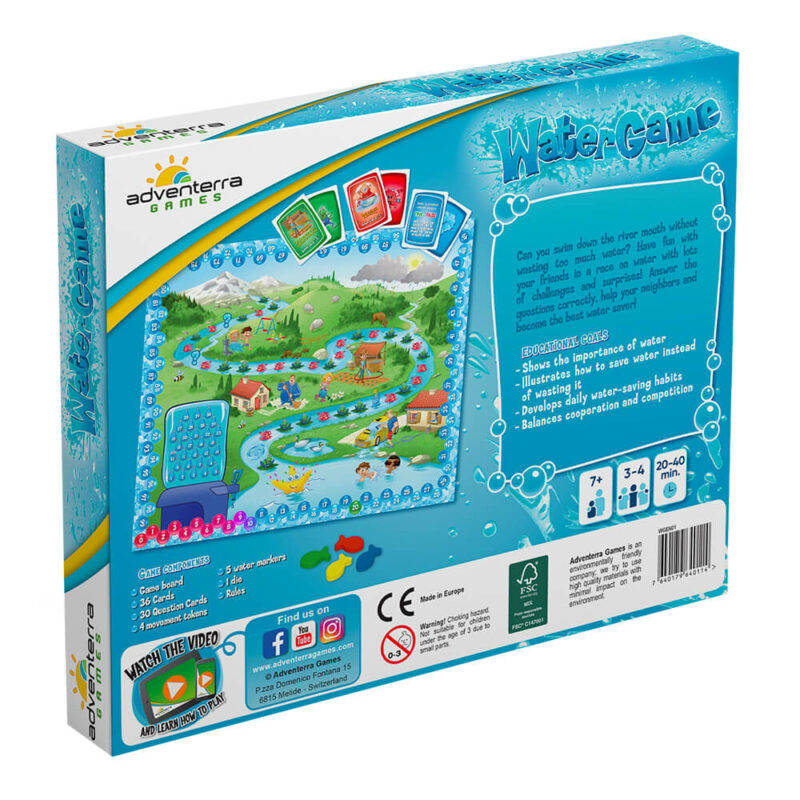
The Power of Play: How Educational and Eco-Friendly Games Can Teach Us About the Environment
As we go about our daily lives, it’s easy to forget that play is not just a luxury for children, but also an essential part of learning. In fact, playing can be one of the most effective ways to learn about the environment and its importance. So, what kind of games can help us make a positive impact on the planet?
The Benefits of Educational Games
Educational games are designed to teach children (and adults!) about various subjects, including science, nature, and conservation. These games provide an engaging way to learn about complex topics like ecology, sustainability, and environmentalism. By playing these games, we can develop a deeper understanding of the world around us and our role in protecting it.
Educational games have numerous benefits for children and adults alike. They:
- Foster critical thinking and problem-solving skills
- Promote learning and retention of new information
- Encourage creativity and imagination
- Provide an interactive way to learn about complex topics
- Can be a fun and engaging way to spend time with family and friends
Eco-Friendly Games: A Sustainable Alternative
But what makes a game truly eco-friendly? Look for games that are designed with sustainability in mind. These games often use recycled materials, biodegradable packaging, and environmentally friendly manufacturing processes. By choosing eco-friendly games, we can reduce our carbon footprint and promote a more sustainable future.
Eco-friendly games have become increasingly popular in recent years, with many game manufacturers now prioritizing environmental sustainability. Some examples of eco-friendly games include:
- Laboratorio di Ecologia: This game teaches children about the importance of air, water, and land through interactive experiments and activities.
- WWF Scacchi: This version of chess allows players to support conservation efforts while having fun playing a classic game. The game is also eco-friendly, using recycled materials and biodegradable packaging.
- Scacchi Bacino del Congo: This unique game features wooden pieces shaped like African animals, promoting an understanding of the importance of conservation and wildlife preservation.
Games That Teach Environmental Values
So, what kind of games should you look for? Here are some examples:
- Conservation Games: These games teach players about the importance of conservation and wildlife preservation. Examples include Conservation Quest and Wildlife Rescue.
- Eco-Puzzles: These puzzles teach players about environmental issues like climate change, deforestation, and pollution. Examples include Eco-Puzzle and Environmental Puzzles.
- Environmental Strategy Games: These games teach players how to develop sustainable strategies for managing natural resources. Examples include Sustainable Cities and Environmental Management.
Games for All Ages
But educational games aren’t just for kids. There are plenty of options available for adults as well. For example:
- Carte delle specie in via d’estinzione: These cards teach players about endangered species and their habitats, promoting a deeper understanding of the natural world.
- Dama Tartarughe: This game is designed to educate children (and adults!) about the importance of conservation and wildlife preservation.
Getting Involved: Educating Children About Environmental Issues
So, how can we get involved in teaching our children about environmental issues? Here are some ideas:
- Educazione ambientale a scuola: Many schools now incorporate environmental education into their curricula. By participating in these programs, we can ensure that future generations are equipped with the knowledge and skills they need to protect the planet.
- Metodo Montessori: libri e giochi: The Montessori method emphasizes hands-on learning and self-directed activity. By incorporating environmental education into our daily lives, we can promote a love of nature and a commitment to sustainability.
Tips for Playing Eco-Friendly Games
Here are some tips for playing eco-friendly games:
- Choose games made from recycled materials: Look for games that use recycled materials, such as cardboard or paper.
- Buy games with biodegradable packaging: Choose games that come in biodegradable packaging, such as cardboard boxes or plastic-free bags.
- Avoid games with plastic components: Opt for games that don’t have any plastic components, such as wooden pieces or fabric.
Conclusion
Play is an essential part of learning, and educational games are a great way to teach children (and adults!) about the environment and its importance. By choosing eco-friendly games and promoting environmental education, we can create a more sustainable future for ourselves and our planet.
By incorporating environmental education into our daily lives, we can:
- Promote a love of nature and a commitment to sustainability
- Develop critical thinking and problem-solving skills
- Foster creativity and imagination
- Encourage teamwork and collaboration
So, what are you waiting for? Join the movement and start playing eco-friendly games today!


