
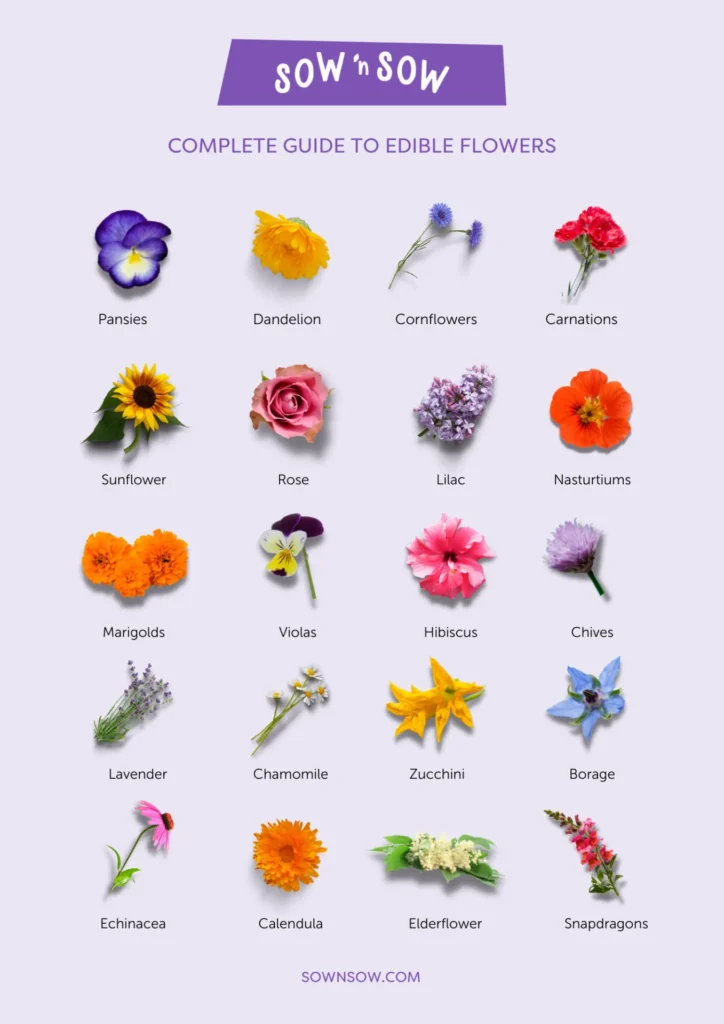
Edible flowers have been a staple in many cuisines around the world for centuries, adding color, flavor, and beauty to various dishes. From classic desserts like cakes and pastries to savory main courses and refreshing salads, edible flowers can elevate any meal into a true culinary masterpiece.
In this article, we’ll delve into the world of edible flowers, exploring their benefits, uses, and how to incorporate them into your cooking repertoire.
What are Edible Flowers?
Edible flowers are flowers that are safe for human consumption. They come in a wide variety of colors, shapes, and sizes, each with its unique flavor profile and aroma. While some flowers can be eaten raw, others require cooking or preparation before being consumed.
Some popular edible flowers include roses, lavender, hibiscus, marigolds, nasturtiums, violas, pansies, and chamomile. These flowers are not only a delight to the senses but also offer numerous health benefits, such as reducing inflammation, improving digestion, and boosting immune function.
Using Edible Flowers in Cooking
Edible flowers can be used in various ways, from decorating cakes and pastries to adding flavor and color to salads and soups. Here are some popular uses for edible flowers:
- Decorating: Use edible flowers to garnish desserts like cakes, tarts, and sorbet.
- Salads: Add fresh herbs like violas, pansies, or nasturtiums to salads for a burst of flavor and color.
- Soups and Stews: Use flowers like hibiscus or marigolds to add a pop of color and flavor to soups and stews.
- Tea and Infusions: Steep flowers like chamomile, lavender, or rose petals in hot water for a soothing tea.
Popular Edible Flowers
Here are some popular edible flowers that you can use in your cooking:
- Roses: Ranges from white to pink, with a sweet, floral flavor.
- Lavender: Has a calming effect and a light purple color.
- Hibiscus: Offers a cranberry-like flavor and a beautiful red or pink color.
- Marigolds: Have a bright orange or yellow color and a strong, citrusy flavor.
- Nasturtiums: Offer a peppery, spicy flavor and a variety of colors, including orange, yellow, and red.
How to Choose the Right Edible Flowers
When choosing edible flowers, it’s essential to consider their appearance, flavor, and aroma. Here are some tips for selecting the right edible flowers:
- Look for Vibrant Colors: Edible flowers come in a variety of colors, but some may not be as vibrant as others.
- Check the Shape: Make sure the flower is symmetrical and has no signs of damage.
- Smell Them: Edible flowers often have a distinctive scent that can help you identify them.
Common Mistakes to Avoid
Here are some common mistakes to avoid when using edible flowers:
- Don’t Overuse: Use edible flowers in moderation, as they can be overpowering if used excessively.
- Avoid Allergies: Some people may be allergic to certain edible flowers, so make sure you know what you’re consuming.
- Don’t Mix and Match: Be cautious when mixing different edible flowers together, as some combinations can cause adverse reactions.
Edible Flower Pairings
Pairing edible flowers with other ingredients can enhance their flavor and aroma. Here are some popular pairings:
- Lavender and Honey: Combine lavender with honey for a sweet and soothing dessert.
- Roses and Lemon: Mix rose petals with lemon zest and juice for a refreshing salad dressing.
- Hibiscus and Ginger: Steep hibiscus flowers in ginger tea for a spicy and invigorating drink.
Edible Flower Recipes
Here are some delicious recipes that feature edible flowers:
- Rose Petal Salad: Mix rose petals with arugula, prosciutto, and lemon vinaigrette for a classic salad.
- Lavender Shortbread Cookies: Combine lavender buds with butter and sugar to make a flavorful shortbread cookie.
- Hibiscus Sorbet: Steep hibiscus flowers in water and sugar to create a fruity and refreshing sorbet.
Growing Your Own Edible Flowers
Many edible flowers can be grown at home with minimal care and maintenance. Here are some tips for growing your own edible flowers:
- Choose the Right Variety: Select varieties of edible flowers that are well-suited to your climate and soil type.
- Provide Adequate Light: Most edible flowers require full sun to partial shade, so choose a location that receives plenty of light.
- Water Regularly: Keep the soil consistently moist, but not waterlogged, to promote healthy growth.
Edible Flower Safety
While edible flowers are generally safe to eat, there are some precautions to take:
- Avoid Allergies: Some people may be allergic to certain edible flowers, so make sure you know what you’re consuming.
- Don’t Mix and Match: Be cautious when mixing different edible flowers together, as some combinations can cause adverse reactions.
- Check for Pesticide Residues: Make sure the flowers are grown using organic methods to avoid pesticide residues.
Conclusion
Edible flowers are a delightful way to add flavor, color, and beauty to your cooking. With the right knowledge and precautions, you can enjoy the many benefits of these natural wonders.
From decorating cakes and pastries to adding flavor and color to salads and soups, edible flowers offer endless possibilities for culinary creativity.
So next time you’re planning a meal or want to add a touch of elegance to your dessert, consider using some edible flowers. You won’t be disappointed!
Frequently Asked Questions (FAQs)
Here are some frequently asked questions about edible flowers:
- What is the best way to store edible flowers?: Store edible flowers in an airtight container in the refrigerator or freezer.
- Can I grow my own edible flowers at home?: Yes, many edible flowers can be grown at home with minimal care and maintenance.
- How do I identify edible flowers?: Look for vibrant colors, symmetrical shapes, and distinctive scents to identify edible flowers.
- Are all edible flowers safe to eat?: No, some edible flowers may cause allergic reactions or interact with medications, so it’s essential to research before using them in cooking.
By following these tips and recipes, you can unlock the full potential of edible flowers and take your cooking to new heights. Happy cooking!


